ketu Mahadasha and Sade Sati together: A Journey Through Growth

ketu Mahadasha and Sade Sati together

ketu Mahadasha and Sade Sati together

Astrology often feels like a mysterious map of our lives. Some phases are calm, while others test our patience, strength, and understanding. Two such powerful phases are Ketu Mahadasha and Sade Sati. Experiencing them together can feel overwhelming, but it also brings deep lessons and transformation.

I remember when I first learned about these periods in astrology. The words themselves sounded heavy, and the explanations from elders felt like a warning. But as I read more and observed real experiences, I realized these are not punishments. Instead, they are opportunities for growth, self-discovery, and a new beginning.

Let’s explore what happens when Ketu Mahadasha and Sade Sati overlap, and how one can handle this journey.

What is Ketu Mahadasha?
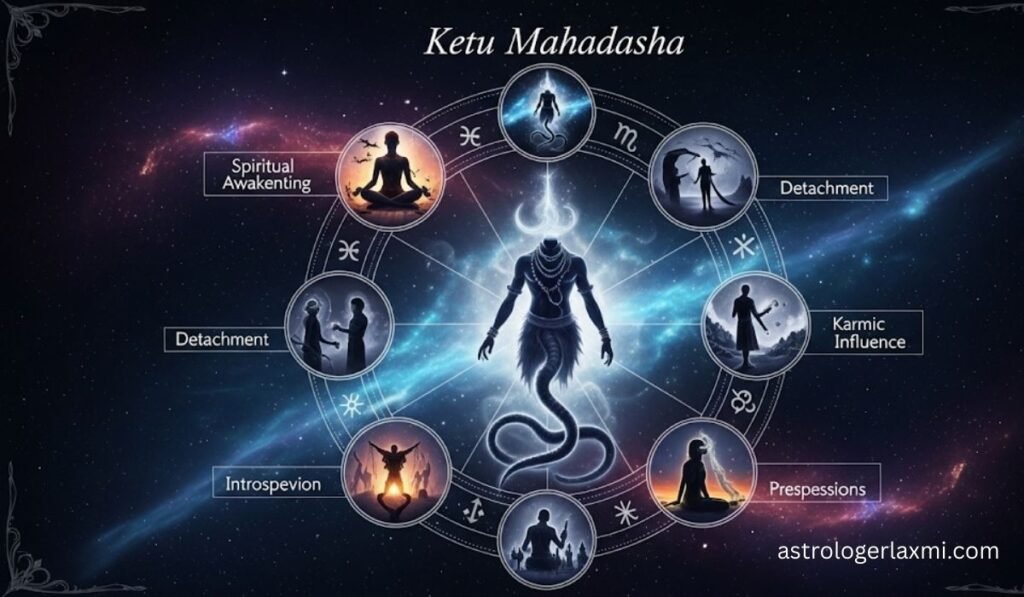
What is Ketu Mahadasha

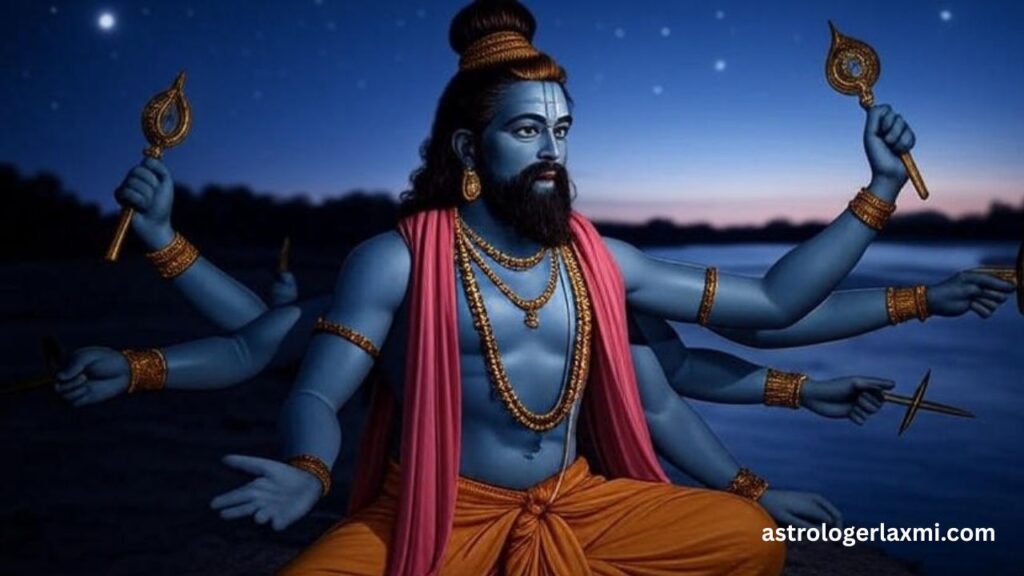
In Vedic astrology, each planet rules our life for a certain number of years. This period is called a Mahadasha. Ketu, the south node of the moon, rules for 7 years.

Ketu is known as a spiritual planet. It takes us away from material desires and pushes us to think about deeper truths. During this period, people may feel:

  • Detached from relationships or possessions.
  • Confused or restless without clear goals.
  • Interested in spirituality, meditation, or inner growth.

In my personal experience, I have seen friends going through Ketu Mahadasha suddenly lose interest in things they once loved. One friend quit his high-paying job and started learning yoga and astrology. At first, it felt strange, but later he found peace in that path.

What is Sade Sati?

Sade Sati is the 7.5-year period of Saturn’s transit around the moon sign in your horoscope. Saturn is often called the strict teacher. It doesn’t allow shortcuts. Instead, it teaches lessons through discipline, patience, and hard work.

This phase is divided into three parts:

  1. Rising phase – challenges begin.
  2. Peak phase – difficulties feel heavy, responsibilities increase.
  3. Setting phase – life slowly improves, lessons are absorbed.

When my uncle went through Sade Sati, he faced career struggles and family issues. But he often said later, “That was the time I learned how to stay strong without complaining.” Saturn makes us stronger, even if it feels tough in the moment.

When Ketu Mahadasha and Sade Sati Happen Together

Now imagine these two energies overlapping. On one side, Ketu asks you to detach and look inward. On the other side, Saturn demands discipline, responsibility, and patience.

During this time, people often feel:

  • Confused between spiritual goals and real-world duties.
  • Financial or career struggles that push them to rethink priorities.
  • Isolation from friends or family, leading to loneliness.
  • A deeper call to understand life’s purpose.

It can feel like walking through a storm without a clear path. But at the same time, it’s also a golden chance to build inner strength.

Challenges You May Face

  1. Emotional Struggles – Feeling disconnected or misunderstood.
  2. Career Delays – Hard work may not bring quick results.
  3. Relationship Distance – Loved ones may not understand your mindset.
  4. Health Issues – Stress or anxiety may affect physical health.

I once met a woman who faced both Ketu Mahadasha and Sade Sati together. She told me she often felt lost and empty. But by the end of the period, she had discovered a passion for social work, something she never imagined before.

Positive Lessons from This Phase

Even though it feels difficult, this combination can bring powerful lessons:

  • Spiritual Growth – Ketu opens the door to inner peace.
  • Discipline and Patience – Saturn teaches how to stay grounded.
  • Self-Discovery – You learn what truly matters in life.
  • Inner Strength – Challenges make you emotionally stronger.

Think of it like polishing a diamond. The process may be rough, but the result shines beautifully.

Tips to Handle This Period

  1. Stay Grounded – Practice meditation or journaling to calm the mind.
  2. Accept Delays – Saturn rewards patience, so don’t rush results.
  3. Focus on Health – Regular exercise and a simple diet help reduce stress.
  4. Spiritual Practices – Reading, prayer, or yoga can bring peace.
  5. Seek Support – Talking to trusted friends, mentors, or astrologers can help.

Personally, I found that writing down my thoughts during stressful times gave me clarity. It’s a small habit, but it makes a big difference.

Conclusion

Ketu Mahadasha and Sade Sati together may sound like a heavy phase of life. And yes, it is not easy. But remember, astrology is not about fear it is about awareness. When you know what energies are at play, you can prepare better.

This combination asks you to let go of unnecessary attachments (Ketu) and to face responsibilities with patience (Saturn). Together, they guide you toward maturity, wisdom, and inner strength.

If you are going through this journey, remind yourself: storms do not last forever. When they pass, the sky becomes clearer, and you see life from a deeper, more meaningful perspective.

FAQs

Q1. Is Ketu Mahadasha always bad?

No, it is not always bad. Ketu Mahadasha is about spiritual growth and detachment. While some people may feel confused or restless, others find peace, new wisdom, and a chance to explore inner strength.

Q2. How do I know if Sade Sati has started?

Sade Sati begins when Saturn enters the zodiac sign before your moon sign. For example, if your moon sign is Aries, Sade Sati will start when Saturn enters Pisces. It lasts for about 7.5 years.

Q3. Can Ketu Mahadasha and Sade Sati overlap?

Yes, it is possible. When this happens, people may experience a mix of detachment (Ketu) and responsibility (Saturn). It can feel heavy, but it also brings powerful lessons and transformation.

Q4. What remedies help during this period?

Some remedies include meditation, chanting mantras (like “Om Namah Shivaya” or Saturn’s mantra), helping the needy, and practicing patience. Simple habits like walking in nature, eating light food, and staying positive also help a lot.

Q5. Should I be scared of these periods?

Not at all. Fear makes things worse. Instead, think of these times as teachers. They may be strict, but they push you toward maturity, patience, and inner peace.

Transcendental Meditation Classes For Beginners

Accessing the Meditative State

Transcendental Meditation Classes

Have you ever caught yourself staring at your phone, not even remembering why you picked it up? Or lying in bed at night, tired but unable to turn off the noise in your head? You’re not alone. In our modern world, silence has become rare, and stillness almost feels unnatural.

We’re surrounded by distractions messages, updates, deadlines, worries and even when nothing’s happening, our minds keep running. It’s no wonder so many of us feel anxious, restless, or disconnected. We want peace, but we don’t know how to find it.

That’s why I started meditating. Not to escape life, but to feel more at home in it. Not to become someone new, but to remember who I really am underneath the noise.

In this blog, I want to share something simple: how to access the meditative state without rituals, robes, or retreat centers. Just real tools for real people, living real lives. Whether you’re on a noisy train, a quiet walk, or your lunch break, peace is still possible.

What Is the Meditative State?

Transcendental Meditation Classes

At its heart, the meditative state is a space of stillness within. It’s not about “switching off” your thoughts or becoming superhuman. It’s about gently slowing down enough to notice notice your breath, your body, your thoughts, and the present moment.

It feels like standing in the eye of a storm. Everything might still be moving around you, but inside, you feel calm. Sometimes this happens naturally when you watch the ocean, lose yourself in music, or sit by a campfire. That’s meditation too.

The meditative state is available to everyone, no matter their background. You don’t need to chant in Sanskrit or sit cross-legged for an hour. You just need a little curiosity and a few moments of intention.

Why Spirituality Feels Complicated Today

Why Spirituality Feels Complicated Today

Spirituality should feel like coming home. But often, it feels like stepping into a maze.

We have too much information books, apps, workshops, influencers all offering different paths. We’re told to follow specific techniques, eat certain foods, or practice with perfect posture. It can feel overwhelming or even intimidating.

And because many of us tie spirituality to religion or cultural traditions, we worry about “doing it wrong.” We think we need to be serious, silent, or spiritually advanced to get started.

But real spirituality isn’t about following rules. It’s about connection—connection to yourself, to nature, to others, and to something greater than your thoughts. That connection can start in the smallest of ways.

Step 1: Start With Awareness, Not Control

When I first sat down to meditate, I thought I was supposed to stop thinking. That didn’t work. The more I tried to control my mind, the louder it got.

Then I learned to just observe. To notice my thoughts, without chasing them. To feel my breath, without forcing it. That’s when things began to shift.

So start with awareness. Sit comfortably. Close your eyes or keep them soft. Focus on your breath. Don’t try to change it just follow it. Let your thoughts come and go like clouds. If your mind wanders (and it will), gently return to the breath.

Meditation is not about perfection. It’s about presence.

Step 2: Use Everyday Anchors

You don’t need a quiet mountaintop to meditate. Your daily life offers countless chances to pause and return to the moment. I call these “anchors.”

Try these:

  • Washing your hands: Notice the warmth of the water, the scent of the soap, the feeling of touch.
  • Walking: Feel your feet hit the ground. Listen to the rhythm of your steps.
  • Eating: Chew slowly. Taste each bite. Put your phone away and just eat.

These simple acts, done with attention, become sacred. They turn the ordinary into the extraordinary.

Step 3: Try Simple Breath Techniques

Your breath is always with you, and it’s one of the most powerful tools for calming your mind. When your breath slows, your body follows.

Here are two gentle techniques I use almost daily:

Step 4: Box Breathing (4-4-4-4)

  • Inhale for 4 counts
  • Hold for 4
  • Exhale for 4
  • Hold for 4

Repeat 4 to 6 times. It’s like giving your nervous system a warm hug.

4-7-8 Breathing

  • Inhale for 4
  • Hold for 7
  • Exhale for 8

This is my go-to for stressful days or sleepless nights. It brings a sense of peace within minutes.

Step 5: Let Go of the “Perfect” Experience

Some days, your meditation will feel magical. Other days, you’ll be distracted, impatient, or uncomfortable. That’s okay. Meditation isn’t about feeling calm right away—it’s about building a habit of turning inward.

I’ve cried during meditation. I’ve laughed. I’ve fallen asleep. Every experience has taught me something. So don’t judge your sessions. Just keep showing up.

You’re not meditating to escape yourself. You’re meditating to meet yourself—just as you are.

Step 6: Use Sounds to Help You Focus

If silence feels overwhelming at first, you’re not alone. That’s why sound can be so helpful.

I love using:

  • Nature sounds (like rain or waves)
  • Soft instrumental music
  • Guided meditations with gentle voices

These sounds create a container a safe space where you can breathe, relax, and drop inStep 6: Create a Simple Routine

The best way to build a practice is to keep it small and consistent.

Start with just 2 to 5 minutes a day. Sit after your morning coffee, before sleep, or during a work break. Set a gentle timer. That’s it.

Meditation is a habit like brushing your teeth. The more often you do it, the more natural it feels. Over time, you might find yourself looking forward to those quiet moments.

Step 7: Practice Presence in Small Moments

You don’t need to sit still to be meditative. Presence can happen anytime:

  • Watching the sunrise
  • Listening fully to someone speak
  • Feeling your breath while waiting in line

Each time you return to the moment, you step into stillness. That’s meditation in motion. That’s everyday spirituality.

Common Myths to Forget

Common Myths to Forget

Let’s debunk a few beliefs that might be holding you back:

  • “I can’t meditate. I think too much.”
    Thinking is normal. Meditation helps you observe, not erase, your thoughts.
  • “I’m not spiritual.”
    You don’t need to be. You just need to be human.
  • “I need to sit a certain way.”
    Nope. Sit, stand, lie down whatever feels right. Comfort matters more than posture.

Transcendental Meditation Classes for Beginners

CategoryDetails
What is Transcendental Meditation (TM)?A simple, effortless technique where a person silently repeats a specific mantra to settle the mind into a state of deep rest and inner peace.
FounderMaharishi Mahesh Yogi
Main FocusEffortless awareness, not concentration or contemplation
Who Can Learn?Anyone, regardless of age, belief, or background
Mantra-Based?Yes – a personalized sound (mantra) is given to each learner by a certified teacher
Class FormatUsually taught in 4–7 consecutive sessions by a certified TM teacher
Initial SessionOne-on-one instruction, includes receiving your personal mantra
Follow-Up SessionsGroup or individual practice, technique refinement, Q&A
Duration of Each Session1 to 1.5 hours per session
Course Length4 to 7 days (can vary depending on organization or center)
Practice Time at Home20 minutes twice daily (morning and evening)
EnvironmentQuiet and comfortable – no need for candles, poses, or apps
CertificationTaught only by certified TM teachers trained by official TM organizations
Course FeeVaries by country and center – some may offer scholarships
Main Benefits– Reduces stress & anxiety
– Improves focus & clarity
– Increases energy
– Promotes emotional well-being
– Enhances creativity
Scientific BackingOver 600 peer-reviewed studies show physical and mental health benefits
Difference from Other MeditationTM doesn’t involve concentration, effort, or mindfulness; it’s completely effortless and mantra-based
Best forPeople looking for deep rest, focus, and spiritual simplicity in a busy world

Conclusion

In this noisy world, the meditative state is like coming home a return to your breath, your heart, your quiet knowing. It doesn’t require a guru, a special place, or hours of practice. It just requires you, right here, right now. So take a deep breath. Feel your feet on the ground. Close your eyes, even for a moment. Let that be enough.

FAQs

Q1. What is the meditative state?

The meditative state is a calm and focused state of mind. It’s when you feel peaceful, aware of your breath, and present in the moment. It helps you feel more connected to yourself and less caught up in stress or overthinking.

Q2. Do I need to stop thinking to meditate?

No. You don’t need to stop your thoughts. Everyone thinks during meditation. The goal is to notice your thoughts without getting lost in them, and gently return your focus to your breath or the present moment.

Q3. Can I meditate if I only have a few minutes?

Yes! Even 2 to 5 minutes a day can make a difference. Meditation is about quality, not quantity. A few minutes of calm attention can help you feel more peaceful and clear-headed.

Q4. Do I need to sit in a certain position?

Not at all. You can sit in a chair, lie down, or even stand. The most important thing is that you feel comfortable and your back is supported. There’s no “perfect” posture.

Q5. What if I get distracted during meditation?

It’s completely normal. Just notice the distraction and gently bring your attention back to your breath or your chosen focus. Every time you return, you’re building your “awareness muscle.”

Q6. Is meditation only for spiritual or religious people?

No. Meditation is for everyone. It doesn’t belong to any one religion or belief system. It’s simply a way to feel more present, peaceful, and connected—whatever your background.

Q7. How can I start if I’ve never meditated before?

Start small. Sit quietly for a few minutes and focus on your breathing. You can use apps, nature sounds, or a short guided meditation to help. Don’t worry about doing it “right.” Just begin.

The Misunderstood Side of Spirituality: Common Beliefs About Spirituality?

The Misunderstood Side of Spirituality

The Misunderstood Side of Spirituality
Not all that glows is light—true spirituality is often quiet, raw, and real.

What Most People Think Spirituality Is?

When you hear the word spirituality, what do you feel?
Some imagine a monk in silence, high up in the Himalayas. Others picture incense smoke curling through the air, someone meditating cross-legged, or people wearing beads, crystals, and speaking about “high vibrations.”

For a long time, I was also confused. I thought spirituality was something outside of me something mystical and far away that only the “chosen” could access. It seemed like a secret club I didn’t belong to. But slowly, as life threw me into both chaos and stillness, I discovered that spirituality isn’t always loud or visible. Sometimes, it’s as quiet as a breath, as real as pain, and as simple as love.

Spirituality is deeply human.
It’s not about escaping life but embracing it fully. It’s about learning to sit with both your joy and your sadness, your light and your shadow, and understanding that everything has something to teach you. It’s about connection not just with something higher, but with yourself and the world around you.

In this blog, I’d like to explore the often misunderstood side of spirituality. I’ll share thoughts and personal reflections that have shaped how I see this path. If you’ve ever felt like you didn’t “fit” into the spiritual world, this is for you.

The Misunderstood Side of Spirituality

1. Spirituality Is Not Just About Religion

One of the biggest misconceptions I’ve encountered is that spirituality and religion are the same. They’re not.

Religion often provides structure rituals, traditions, and community. It gives people a shared language and way to connect with the divine. But spirituality is something even more personal. It’s your inner dialogue with life. It’s how you feel in moments of silence or awe watching a sunset, holding a baby, or sitting by the sea.

You don’t need to belong to a religion to be spiritual. You just need to be willing to look within.

I’ve met people who never followed any formal belief system, yet they live with deep awareness and compassion. They don’t preach, but they embody peace. That’s the kind of quiet spirituality that often goes unnoticed—but it’s powerful.

2. It’s Not About Always Being “Positive”

“Just stay positive.”
How many times have we heard that in hard moments? While positive thinking has its place, true spirituality doesn’t avoid discomfort. It embraces it.

Spirituality isn’t about denying sadness, fear, or anger. It’s about learning to sit with those feelings and listen. Every emotion, even the difficult ones, carries a message. Growth comes when we stop running and start feeling.

I remember breaking down during a time of personal loss. A friend said, “You’re supposed to be spiritual. You should be calm.” But in that moment, crying on my kitchen floor, I realized that spirituality isn’t about having it together it’s about being real. That was one of the most spiritual moments of my life.

3. You Don’t Need Fancy Tools to Be Spiritual

Crystals, incense, mantras, moon rituals these can be beautiful aids. But they are not the essence of spirituality. They are expressions, not requirements.

You don’t need anything external to connect with the sacred. The divine lives in your breath, your thoughts, your actions. You can be spiritual washing the dishes if you do it with presence.

I once met an old woman who told me, “I talk to God while hanging laundry. That’s my meditation.” Her wrinkles held more wisdom than any book I had read.

Spirituality is about how you live, not what you buy or wear.

4. Spirituality Is Not an Escape from Life

There’s a belief that spiritual people are always calm and disconnected from daily worries that they float above worldly concerns.

But in truth, real spirituality makes you more grounded, not less. It helps you show up more fully for your family, your work, your responsibilities, and your emotions. It gives you strength to face the messiness of life, not avoid it.

Some of my deepest spiritual insights came not from silence, but from the chaos of heartbreak, from conflict, from making mistakes and learning the hard way. That’s where real transformation begins.

5. Not Everyone on a Spiritual Path Is “Wise”

This one can be hard to admit, but it’s important: not everyone who calls themselves spiritual is genuinely so.

Spiritual language can be used to manipulate, to hide ego, or to create false superiority. It’s easy to talk about love and light, but much harder to live it especially when no one’s watching.

I’ve been misled before by people who used spiritual words but acted out of fear, control, or pride. It taught me that true spirituality isn’t loud. It’s humble. If someone’s wisdom doesn’t come with kindness and integrity, it’s time to walk away.

6. Spirituality Can Be Lonely Sometimes

No one tells you this, but spiritual awakening can feel like losing everything familiar. You start to see life differently. Your values shift. What once made sense no longer fits.

Sometimes, people around you won’t understand. They may think you’ve changed (you have), or that you’re being “too sensitive” or “too deep.”

I’ve had phases where I felt like I was on a completely different frequency than my friends. But over time, new connections formed people who truly saw me. If you’re feeling that loneliness now, trust that your tribe will find you.

7. It’s Not About “Fixing” Yourself

Many of us come to spirituality because we feel broken. We want to heal, improve, or be more “worthy.” But here’s the beautiful truth:
You don’t need to become someone else—you need to remember who you are.

Spirituality isn’t self-improvement. It’s self-remembrance.

When I stopped trying to be “more spiritual” and just allowed myself to feel, rest, and be—I began to notice that I already had everything I needed inside me. That’s when the real healing began.

8. Spirituality Looks Different for Everyone

There’s no universal recipe for being spiritual. What brings one person peace may not work for another—and that’s okay.

For some, it’s chanting. For others, it’s walking barefoot on the grass. It could be journaling, singing, cooking, or simply sitting quietly with yourself.

A friend of mine connects through dancing under the stars. Another finds meaning in silence. I find mine when I’m writing, or just looking at the sky. There is no “right” way. Only your way.

Conclusion

So here we are. After peeling back the myths and expectations, what remains?

The heart of spirituality is not perfection. Not performance. Not pretending.
It’s presence.
It’s truth.
It’s love.

It’s waking up in the morning and choosing to live with awareness. It’s forgiving yourself when you fall. It’s choosing compassion over judgment, and honesty over image.

Whether you’re just beginning or you’ve been walking this path for years, know this:
You don’t have to follow anyone else’s map. You already carry your own compass inside you.

Let go of what spirituality is “supposed” to look like. And instead, begin where you are—with your breath, your story, your questions, and your courage.

Because spirituality isn’t about becoming someone else.
It’s about coming home to yourself.

FAQs

Q1: Can I be spiritual without following a religion?
Absolutely. Spirituality is a personal journey. It doesn’t require formal beliefs—just an open heart and a willingness to look inward.

Q2: Is it okay to feel sad or angry on a spiritual path?
Yes. Emotions are part of being human. True spirituality embraces all feelings and learns from them.

Q3: Do I need crystals or rituals to be spiritual?
No. Those are tools, not essentials. Your intention, awareness, and presence matter more than any object.

Q4: Why does spiritual growth feel lonely?
Because you’re changing. And sometimes that means letting go of relationships that no longer align. But new, deeper connections will come.

Q5: How can I tell if someone is genuinely spiritual?
Look at how they live not just what they say. True spirituality shows in how people treat others, especially when it’s difficult.

Astrology And Spirituality: A Deep Connection Explained Simply

Astrology And Spirituality

Astrology And Spirituality. The Sky, the Soul, and the Search for Meanin. Have you ever looked up at the stars and felt a strange calm like the universe was speaking directly to you?

That’s how I first felt when I stumbled upon astrology in my early twenties. Life felt confusing, full of choices and changes, and I was looking for answers that didn’t come from textbooks or advice columns. One night, after reading about my birth chart online, I felt something shift. It didn’t “fix” my problems but it gave me language for what I was feeling inside.

For many people, astrology and spirituality are more than trends. They are tools, teachers, and gentle guides in a world that often feels chaotic. They help us understand who we are, why we’re here, and how to move forward with grace.

Let’s dive deep into how these two magical realms connect, and how they can enrich your life just like they did mine.

What is Astrology?

At its core, astrology is the study of how the positions of stars and planets influence our emotions, behaviors, and life patterns. The moment you’re born, a snapshot of the sky your natal chart is created, and this chart becomes a symbolic map of your soul.

The three most important pieces to start with are:

  • Sun Sign (your core identity)
  • Moon Sign (your emotions and inner world)
  • Rising Sign (your outer personality)

When I discovered that my Moon sign was in Pisces, it explained why I was so sensitive, often overwhelmed in crowds, and deeply moved by music and poetry. Suddenly, I felt seen — and not just in a horoscope column, but in a cosmic, soul-deep way.

What is Spirituality?

Spirituality is your personal relationship with the divine, the universe, or your higher self. It’s not about following rules. It’s about finding peace, purpose, and connection in a way that resonates with your heart.

Spirituality can be:

  • Sitting in quiet meditation
  • Praying or lighting a candle
  • Walking in nature and feeling awe
  • Reflecting on your thoughts and emotions
  • Helping others with love and compassion

When I started keeping a spiritual journal, I wrote down small “coincidences” — like dreaming of someone before they called, or feeling drawn to start something new right before a new moon. Looking back, these moments were not random. They were part of a bigger spiritual pattern — one that astrology helped me understand.

The Bridge Between Astrology and Spirituality

So how do astrology and spirituality come together?

They work hand in hand to guide you toward inner growth. Here’s how:

  1. Astrology is the map — it shows your patterns, purpose, and potential.
  2. Spirituality is the journey — how you walk that path, with awareness and love.
  3. Astrology explains your experiences, while spirituality helps you feel them and learn from them.
  4. Both remind you: you are part of something bigger.

When I experienced my Saturn return (around age 29), everything in my life changed — career, relationships, even where I lived. It was scary. But knowing this was a natural spiritual test in astrology made it easier to face. I didn’t feel lost; I felt guided.

Using Astrology to Support Your Spiritual Growth

1. Understanding Yourself More Deeply

Your birth chart is a mirror. It helps you discover:

  • Why certain things keep happening
  • What triggers your emotions
  • What your natural talents and blocks are

Personal Tip:
When I learned that my Mars (planet of action) is in Libra, it explained why I always overthink before making decisions. I used to feel bad about it, but now I see it as part of my soul’s blueprint. I’ve learned to pause and honor that part of me instead of rushing.

2. Healing Old Wounds

Astrology can reveal emotional wounds (like from Chiron, the “wounded healer” in your chart) and help you find compassion for yourself.

Personal Tip:
I used astrology journaling during tough emotional periods. I would write, “The Moon is in Scorpio today — no wonder I feel so intense.” Just naming the energy helped me accept it instead of fighting it.

3. Aligning With Divine Timing

Astrology teaches that every phase has a purpose: rest, growth, endings, and beginnings.

Personal Tip:
Now, I always set intentions during the New Moon — like starting a project or writing down what I want to attract. During Full Moons, I write down what I want to release or forgive. It’s like a monthly check-in with the universe — and myself.

Spiritual Practices That Work Beautifully with Astrology

1. Moon Rituals

  • New Moon → Write down dreams, light a candle, meditate on fresh starts
  • Full Moon → Let go of fears, take a salt bath, release old energy

Tip: Keep a moon journal. Write one sentence about your mood each night. After a few months, you’ll see a powerful pattern — linked to the Moon’s cycle.

2. Planetary Meditation

Each planet has a spiritual “vibe.” For example:

  • Venus for love and beauty
  • Saturn for structure and wisdom
  • Jupiter for abundance and faith

Tip:
Choose one planet a week. Read about it, then sit in silence and ask: “What lesson are you trying to teach me?” Write down whatever comes.

3. Astrology-Inspired Affirmations

Create spiritual affirmations based on your chart. For example:

  • If your Moon is in Cancer: “I honor my feelings and trust my inner voice.”
  • If your Sun is in Leo: “I shine with confidence and warmth.”

Say them aloud or write them daily. It’s a small step with big spiritual energy.

My Turning Point: From Curiosity to Clarity

I remember one day I was reading about North Node in astrology — which shows your life purpose. Mine is in Aquarius. The interpretation said I was here to break away from the crowd and follow my unique voice.

I cried. For years, I had been trying to “fit in,” scared to stand out or speak my truth. But reading that, something clicked. It felt like my soul was finally heard. From that day forward, I started trusting my intuition more even if it felt scary.

That’s what astrology and spirituality gave me: permission to be me, and a peaceful belief that the universe had my back.

Growth Chart of Astrology vs Spirituality Around the World

Astrology and spirituality have both been guiding lights for human beings throughout history. While they share connections like the quest for self-awareness, purpose, and cosmic alignment their growth and acceptance have evolved differently across time and cultures.

This growth chart compares how astrology and spirituality have grown globally — across continents, beliefs, and generations.

Global Growth

Region AstrologySpiritualityNotes
India 🇮🇳Ancient and still widely practiced through Vedic astrology; deeply tied to daily life and rituals.Rooted in Vedanta, yoga, meditation; booming globally via mindfulness and gurus.Both are interwoven and thriving.
China 🇨🇳Chinese astrology (zodiac animals, Feng Shui) still respected, especially during festivals.Taoism and Confucianism focus on harmony, energy, and spiritual balance.Cultural rituals blend astrology and spiritual flow.
Middle East Ancient Babylonian and Islamic astrology played a historical role. Modern views are more skeptical or religiously conservative.Sufism offers a mystical form of Islam focusing on divine love.Astrology faded under religious reform, spirituality survived underground.
Europe 🇪🇺 Grew during Renaissance; now resurging in youth culture via horoscopes and apps.Christian mysticism, New Age, and pagan revivals show steady spiritual growth.Astrology is trending again; spirituality is diversifying.
Africa Indigenous astrology exists but is localized. Western astrology is growing online.Spirituality linked to ancestral worship, nature, and energy.Digital access is increasing interest in both.
North America 🇺🇸Huge rise in astrology apps, zodiac memes, and TikTok culture.Spiritual but not religious (SBNR) movement booming; focus on healing, energy work.Youth-led revival in both fields.
South America Inca and Mayan sky knowledge resurfaces; Western astrology rising. Deep spiritual traditions like Ayahuasca, shamanism, and nature-based beliefs.Spirituality growing through healing and eco-spirituality.
Australia & OceaniaWestern astrology is followed; not yet mainstream.Indigenous Dreamtime beliefs hold spiritual depth. New Age gaining followers.Rising curiosity in both sectors.

Astrology’s Global Rise

  • Digital tools and mobile apps make horoscopes accessible worldwide.
  • Youth interest is growing through aesthetics (zodiac art, memes).
  • Reconnection with ancient systems like Vedic, Chinese, and Mayan astrology.

Spirituality’s Expansion

  • Mindfulness, meditation, and yoga have gone global.
  • Disconnection from organized religion has opened doors for spiritual exploration.
  • Healing, energy, and intuition are key themes.

Where They Overlap

  • Both promote self-discovery and personal growth.
  • Both are used to understand life’s purpose and energy cycles.
  • Practices like moon rituals, chakra astrology, and birth chart meditations blend the two paths.

Growth Timeline

Time PeriodAstrology GrowthSpirituality Growth
Ancient TimesCentral to calendars, kings, agriculture.Rooted in rituals, connection with nature.
Middle AgesFlourished in Islamic and European texts.Deepened within religious and mystic orders.
19th–20th CenturyRise of sun-sign astrology in newspapers.Spiritualism, Theosophy, and Eastern wisdom spread west.
2000s–2020sDigital astrology, personalized apps.Mainstream yoga, Reiki, mindfulness trends.
2025 & BeyondAI + astrology + data insights.Global spiritual networks, holistic health merging with science.

Global Voices

  • India: “We don’t just check horoscopes for marriage, but also for career, emotions, and health.”
  • USA: “I’m not religious, but I believe in the universe. Astrology helps me feel connected.”
  • Brazil: “Our spiritual ceremonies bring us peace — it’s not about rules, it’s about energy.”
  • UK: “I start my morning with astrology and breathwork — it’s all part of my spiritual wellness.”

Conclusion

Astrology and spirituality are not answers they are invitations.

They invite you to look deeper, trust the journey, and remember that you are more than your to-do list or troubles. You are part of a cosmic dance, ancient and beautiful, written in the stars and echoed in your soul.

As you explore astrology and spirituality, take your time. Be curious, be kind to yourself, and be open to what the universe wants to show you.

And next time you see the moon or a shooting star, smile it just might be the universe saying hello.

FAQs

Q1. Can I be spiritual without astrology?

Absolutely. Astrology is just one path. Spirituality is deeply personal — if it speaks to you, use it. If not, follow what feels right. There’s no one-size-fits-all.

Q2. Is astrology real or just fun?

While not everyone believes in it, many find it helpful. Think of astrology as a symbolic language — like poetry. It doesn’t “predict” life but reflects it. If it helps you grow, then it’s real for you.

Q3. How do I begin with astrology?

Start simple:

  • Learn your Sun, Moon, and Rising signs
  • Observe how you feel during different moon phases
  • Keep a spiritual journal of thoughts, dreams, and feelings

What Happens When Sade Sati Ends (2025)

What Happens When Sade Sati Ends

Understanding Life After Sade Sati with Simple Words and Real Feelings. Sade Sati is a well-known period in Vedic astrology. It is the time when the planet Saturn (called Shani in Hindi) travels over your Moon sign, the sign before it, and the sign after it. This period lasts for about 7.5 years, which is why it is called “Sade Sati” – meaning seven and a half in Hindi.

Many people fear Sade Sati. They believe it brings problems, delays, stress, and losses. While it can be challenging, Sade Sati also teaches patience, discipline, and inner strength. But the big question is what happens when Sade Sati ends?

Sade Sati Duration and Phases

PhaseMoon Sign PositionExperience
First PhaseSaturn in 12th house from MoonFinancial issues, mental stress
Second PhaseSaturn over Moon signHealth issues, emotional pressure
Third PhaseSaturn in 2nd house from MoonFamily problems, career delays
After Sade SatiSaturn moves to 3rd houseRelief, growth, fresh start

What Happens When Sade Sati Ends?

1. A Sense of Relief

When Sade Sati ends, you may feel lighter. It’s like coming out of a dark tunnel and seeing the light again. People often feel a big emotional relief. Things that were stuck may start moving. You may smile more often and feel hopeful again.

“During Sade Sati, I lost my job and had to shift cities. But once it ended, I found a better job and slowly rebuilt my life,” says Ravi, a 34-year-old from Pune.

2. Improvement in Health

If you were facing health problems during Sade Sati, you may now feel better. Saturn tests you physically and mentally during this period. But once it’s over, your body and mind begin to recover.

People with chronic issues may see a slow but steady improvement. You may sleep better and feel more relaxed.

3. Career Growth and Financial Stability

Many people report career delays during Sade Sati. Promotions may not happen. Job searches may fail. Business may slow down. But after Sade Sati ends, you often get a chance to rise again.

You may receive job offers, complete projects successfully, or start earning better. Money matters may feel more under control.

“I didn’t get any promotions for 6 years. After Sade Sati ended, I suddenly got two job offers. It was like the sun came out after a long storm,” shares Meena, a school teacher.

4. Better Relationships

During Sade Sati, misunderstandings, breakups, and distance can happen. Saturn tests your emotions and your patience in love and family life.

When Sade Sati ends, people often feel more at peace in their relationships. Old bonds may heal. New love may come. Family life becomes smoother and less stressful.

5. Spiritual Growth and Inner Peace

The biggest gift of Sade Sati is spiritual growth. Saturn teaches you to be humble, patient, and grounded. Many people start praying, meditating, or reading spiritual books during this time.

After Sade Sati, your faith becomes stronger. You understand yourself better. You may feel more peaceful inside, even if life is still not perfect.

Growth Through Life Challenges

When Sade Sati ends, people often say they are wiser and stronger than before. Here are some life lessons people carry with them:

  • Don’t take shortcuts – Saturn teaches discipline and hard work.
  • Be kind and humble – Arrogance brings more problems.
  • Have patience – Good things take time.
  • Face problems calmly – Running away never helps.

What You Should Do After Sade Sati

  1. Thank Saturn – It’s not your enemy. It’s your teacher.
  2. Keep good habits – Continue meditation, prayers, and simple living.
  3. Help others – Support people who are now in Sade Sati. You understand their pain.
  4. Plan your life wisely – Make goals and work slowly towards them.

Life Changes Before and After Sade Sati

AreaDuring Sade SatiAfter Sade Sati
EmotionsSadness, fear, stressCalmness, relief, hope
HealthWeakness, anxietyRecovery, better sleep
CareerDelays, failuresGrowth, stability
RelationshipsConflicts, misunderstandingsPeace, better bonding
Spiritual LifeInner search beginsPeace, strong faith

Conclusion

When Sade Sati ends, you feel like a survivor. You’ve been through one of life’s biggest tests. Now you are wiser, calmer, and more grateful.

Sade Sati is not just about loss it’s about learning, growing, and becoming a better version of yourself. When it’s over, life gives you new opportunities. You may not go back to the old version of yourself, but you’ll become someone stronger and more grounded.

Remember, Saturn never punishes without reason. It just slows you down to teach you something important. So when your Sade Sati ends, smile and step into the light with courage. Better days are waiting.

FAQs

Q1. How do I know that my Sade Sati has ended?


You can check your Moon sign (Rashi) using your birth chart. Sade Sati ends when Saturn moves out of the second house from your Moon sign. You can confirm this with the help of a Vedic astrologer or online astrology software.

Q2. Will my life become perfect after Sade Sati ends?


Not always perfect, but it usually becomes much better. Delays, stress, and emotional pressure often reduce. You may feel more free, peaceful, and ready to move forward. The positive changes can be slow but steady.

Q3. What kind of improvements can I expect after Sade Sati?


After Sade Sati, you may experience:

  • Emotional relief and better mental health
  • Career growth and money stability
  • Improved relationships with family and friends
  • Better physical health and energy
  • Spiritual clarity and peace of mind

Q4. Do I need to do any puja or remedy after Sade Sati ends?


It is not necessary, but you can offer thanks to Lord Shani by:

  • Visiting a Shani temple
  • Lighting a sesame oil lamp on Saturdays
  • Helping poor or elderly people
    These acts show respect and gratitude toward Saturn.

Q5. Can some problems still continue even after Sade Sati ends?


Yes, some life challenges may still continue, especially if caused by other planetary positions. But the heavy pressure of Saturn usually reduces. Life becomes smoother and easier to manage.

Q6. How long does it take to feel the benefits after Sade Sati?


For some people, positive changes start within a few months. For others, it can take up to a year. It depends on your own birth chart and actions. Be patient and keep moving forward.

Q7. Does everyone suffer during Sade Sati?


No. The effect of Sade Sati is different for everyone. Some feel mild problems, while others go through deep transformations. People who are disciplined, honest, and spiritual often handle it better.

Q8. What are some good things I can do after Sade Sati ends?


You can:

  • Start new projects or jobs
  • Repair broken relationships
  • Focus on your health and fitness
  • Learn new skills
  • Travel or explore new experiences
  • Continue your spiritual practices

Spiritual Meaning of Ketu in 3rd House in Horoscope

Ketu in 3rd House

Ketu in 3rd House. Ketu is known as the south node of the Moon. It is a shadow planet, meaning it does not have a physical body like other planets. But spiritually, it is very powerful. Ketu represents detachment, past life karma, spiritual knowledge, and liberation (moksha). When Ketu is placed in the 3rd house of a person’s birth chart, it brings a unique blend of spiritual lessons, challenges, and inner strength.

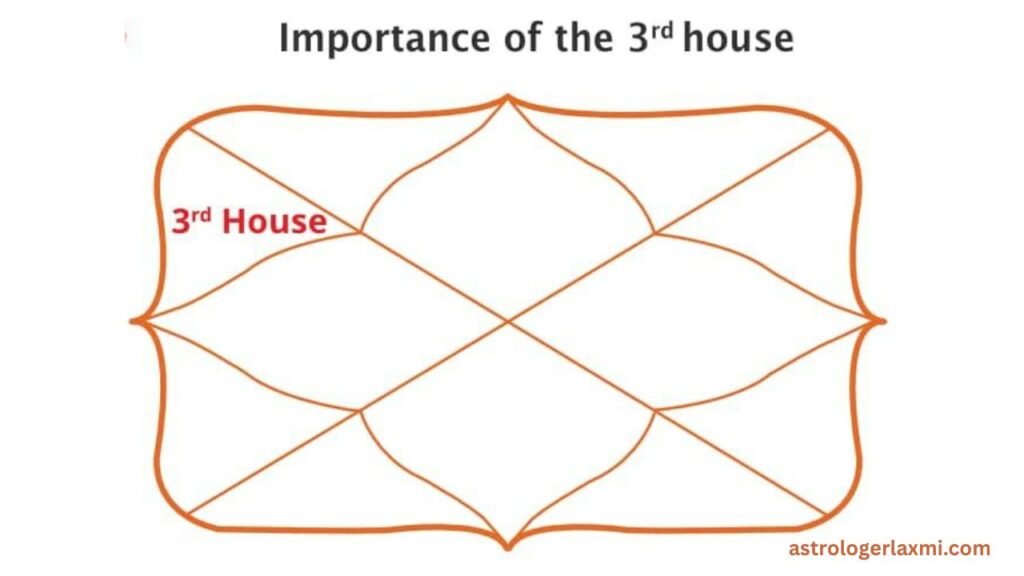
What is the 3rd House in Astrology?

Spiritual Meaning

The 3rd house in astrology is known as the house of:

  • Communication
  • Siblings
  • Courage
  • Short travels
  • Self-effort
  • Creativity and skills
  • Hands and shoulders (body parts)

It shows how you express yourself, how you deal with your siblings, and your ability to take initiative in life. It also represents bravery and the desire to explore new things.

Spiritual Significance of Ketu in 3rd House

When Ketu sits in the 3rd house, it creates a strong desire for inner growth rather than external success. People with this placement may feel disconnected from worldly goals and more attracted to spiritual paths, meditation, or mysterious knowledge.

Key Spiritual Meanings:

SymbolismSpiritual Meaning
DetachmentKetu teaches the person to let go of ego and overconfidence.
Past-life masteryThe person has already mastered 3rd house matters in a past life communication, courage, etc.
Spiritual communicationThese people may develop telepathic or intuitive communication abilities.
Service over successThey are more interested in serving others quietly than gaining name or fame.
Inner courageTheir strength comes from inner faith, not outer aggression.

Basic Impact of Ketu in the 3rd House

Area of LifePositive EffectsChallenging Effects
CommunicationMay have deep spiritual or silent wisdomMay face misunderstandings or fear of expressing thoughts
SiblingsSpiritual connection with siblingsDistance or karmic issues with siblings
CourageBrave in silent and unseen waysLacks desire for material competition
LearningInterest in ancient, occult, or spiritual knowledgeLack of interest in formal or logical studies
TravelTravels for spiritual purposesMay feel tired or disconnected during short journeys

Spiritual Lessons of Ketu in 3rd House

1. Let Go of Ego

People with Ketu in the 3rd house are taught to speak less and understand more. They must learn that silence can be more powerful than words.

2. Turn Inward

Instead of showing off skills or talents, they are guided to use them for inner growth. They may feel uncomfortable in social or competitive settings.

3. Heal Karma with Siblings

There may be spiritual contracts with siblings. Either a strong bond exists, or past-life wounds need healing through forgiveness and love.

4. Use Bravery for Higher Purpose

These people are not ordinary warriors. Their strength is subtle. They fight inner battles like fear, doubt, and illusion.

Spiritually Active Ketu Signs

  • You prefer silence over meaningless conversation.
  • You have a deep love for spirituality, meditation, or mysticism.
  • You feel detached from siblings, or there is a karmic relationship with them.
  • You enjoy writing, music, or art that has a deep or spiritual message.
  • You are not afraid to walk alone on your path even if society does not understand you.

Possible Challenges (Spiritually and Practically)

  1. Communication Problems
    • You may feel shy, misunderstood, or choose not to speak.
    • The lesson: Find your true voice through silence and reflection.
  2. Lack of Motivation
    • You might not feel interested in worldly goals or competition.
    • The lesson: Use your energy to inspire others quietly.
  3. Sibling Distance
    • There may be detachment or past-life karma with brothers/sisters.
    • The lesson: Heal old wounds with love and spiritual understanding.
  4. Unclear Desires
    • Ketu brings confusion in early years what do I want? Where should I go?
    • The lesson: Trust your inner guide rather than chasing outer success.

Remedies to Balance Ketu in 3rd House

If Ketu causes too much detachment or confusion, here are some remedies:

RemedyPurpose
Chanting Ketu Mantra (“Om Ketave Namah”)Brings peace and spiritual focus
Worship Lord GaneshaRemoves obstacles in communication
Help your siblingsBrings healing to karmic relationships
Practice Japa meditation or silence (mauna)Balances the 3rd house energy
Wear cat’s eye (lehsunia) gemstone (after consulting astrologer)Calms Ketu’s energy and brings focus

Conclusion

Ketu in the 3rd house turns a person into a spiritual warrior. These individuals are not loud, but their silence carries depth. Their path may seem lonely, but it is full of wisdom and insight. They are here to learn that not all battles are fought with words or weapons some are fought inside, with the sword of truth and the shield of silence.

They are gifted with past-life strength and the chance to grow beyond the ego. Their spiritual success lies in trusting the unknown, walking fearlessly, and spreading wisdom not with words, but with presence.

FAQs

Q1. What does Ketu in the 3rd house mean in astrology?

A: Ketu in the 3rd house means the person has past-life experience in communication, courage, or skills. In this life, they may feel detached from these things and are guided toward a more spiritual and quiet path.

Q2. Is Ketu in the 3rd house good or bad?

A: It depends. Spiritually, it is good because it brings wisdom and inner strength. But in worldly matters, it may cause problems in communication, sibling relationships, or personal motivation.

Q3. What kind of spiritual person is born with Ketu in 3rd house?

A: A person who is silent, wise, and prefers inner peace over outer success. They are drawn to meditation, mysticism, and spiritual practices. They are strong inside but may not show it outside.

Q4. How does Ketu in 3rd house affect communication?

A: These people may speak less or feel misunderstood. They might struggle with expressing thoughts clearly but can communicate deeply through writing, art, or silence.

Q5. What problems can Ketu in the 3rd house cause?

A: Possible challenges include:

  • Disconnection from siblings
  • Lack of self-confidence or courage
  • Problems in communication
  • Lack of motivation for material goals

Q6. What are the remedies for Ketu in the 3rd house?

A: Remedies include:

  • Chanting “Om Ketave Namah”
  • Worshipping Lord Ganesha
  • Helping siblings
  • Practicing silence or meditation
  • Wearing a cat’s eye gemstone (with proper guidance)

Q7. Does Ketu in the 3rd house affect career?

A: Yes. It may make the person less interested in competitive or aggressive careers. They may prefer spiritual work, writing, research, or creative fields where they can work quietly and meaningfully.

Q8. Is Ketu in the 3rd house related to past life karma?

A: Yes. It shows that the person has already mastered 3rd house matters in a past life. Now, they are spiritually growing by letting go of control and ego related to those areas.