Rohini Nakshatra Female Celebrities Iindian

Rohini Nakshatra Female Celebrities Iindian

Rohini Nakshatra Female: Have you ever met someone who just lights up the room the moment they walk in? There’s a calm charm about them, and yet, they leave a powerful impression. That’s the magic of Rohini Nakshatra especially when it shines through some of our most famous Indian female celebrities. I’ve always been fascinated by nakshatras, and Rohini, ruled by the Moon and symbolized by a red chariot or a young cow, has a special glow of its own.

So, in this post, let’s explore what makes Rohini Nakshatra women so special and which Indian celebrities belong to this beautiful lunar mansion. I’ll also share what I’ve personally observed about their personalities, talents, and how they carry that lunar grace.

Rohini Nakshatra Female Celebrities Iindian

What is Rohini Nakshatra?

Before we dive into the celebrity list, let’s understand Rohini Nakshatra in simple terms:

  • Nakshatra Number: 4th out of 27 nakshatras
  • Ruling Planet: Moon (Chandra)
  • Symbol: A cart or chariot
  • Deity: Prajapati Brahma (Lord of Creation)
  • Zodiac Sign: Mostly falls in Taurus (Vrishabha Rashi)
  • Element: Earth

Rohini is considered the favorite nakshatra of the Moon, and that’s why people born under it often have a magnetic personality. They are known for their beauty, elegance, creativity, and charm. But there’s also a quiet strength in them a softness that doesn’t break, no matter what life throws at them.

Common Traits of Rohini Nakshatra Women

From what I’ve read and personally noticed, women born under Rohini Nakshatra tend to share these qualities:

  • Elegant beauty – Not just outer looks, but graceful body language
  • Strong creative energy – In music, dance, films, or design
  • Soft-spoken yet powerful – Their words carry weight
  • Magnetic and attractive – People are naturally drawn to them
  • Emotionally deep – They feel things intensely, often in silence
  • Stubborn at times – Especially if they believe in something strongly
  • Natural nurturers – They care deeply for family, friends, and even animals

Now let’s look at some famous Indian women who are believed to be born under Rohini Nakshatra, and see how these traits show up in their real lives.

Famous Indian Female Celebrities Born in Rohini Nakshatra

Famous Indian Female Celebrities Born in Rohini Nakshatra

Here are some well-known Indian women who either have their Moon, Ascendant, or important placements in Rohini Nakshatra.

1. Aishwarya Rai Bachchan

A name that instantly reminds you of beauty, elegance, and royalty. Aishwarya Rai’s charm is timeless. People say she doesn’t just enter a room she owns it.

  • Traits seen: Graceful beauty, controlled emotions, poise
  • Creative expression: From winning Miss World to her powerful film performances
  • Strong personal values: She’s deeply attached to her family and traditions

Her Rohini energy is seen in her artistic flair, calm demeanor, and commanding presence — all packed in a soft-spoken personality.

2. Kajal Aggarwal

A popular actress in both Bollywood and South Indian cinema, Kajal has a natural innocence and charm.

  • Traits seen: Sweet smile, grounded energy, loyal to loved ones
  • Creative energy: Acts effortlessly in emotional and romantic roles
  • Emotional depth: She often chooses characters with strong emotional journeys

I remember watching her in Magadheera and thinking she really pulls you into her world without trying too hard. That’s classic Rohini magnetism.

3. Samantha Ruth Prabhu

Samantha is a powerhouse of talent and emotion. She’s bold, brave, and at the same time, very emotionally connected.

  • Traits seen: Intensity beneath softness, devotion to causes, emotional storytelling
  • Creative projects: From mainstream roles to strong characters like in The Family Man
  • Transformation: Rohini women evolve beautifully through personal struggles

Samantha’s spiritual journey and openness about her emotional ups and downs make her one of the most relatable Rohini-born stars.

4. Tamannaah Bhatia

Known for her glowing beauty and graceful performances, Tamannaah’s smile is enough to light up the screen.

  • Traits seen: Feminine elegance, sweet voice, calm strength
  • Career choices: From commercial roles to meaningful cinema
  • Cultural balance: She balances glamour with simplicity in her real life

Her presence in the film industry reflects the steady, graceful movement of a chariot, which is the symbol of Rohini itself.

My Personal Reflections
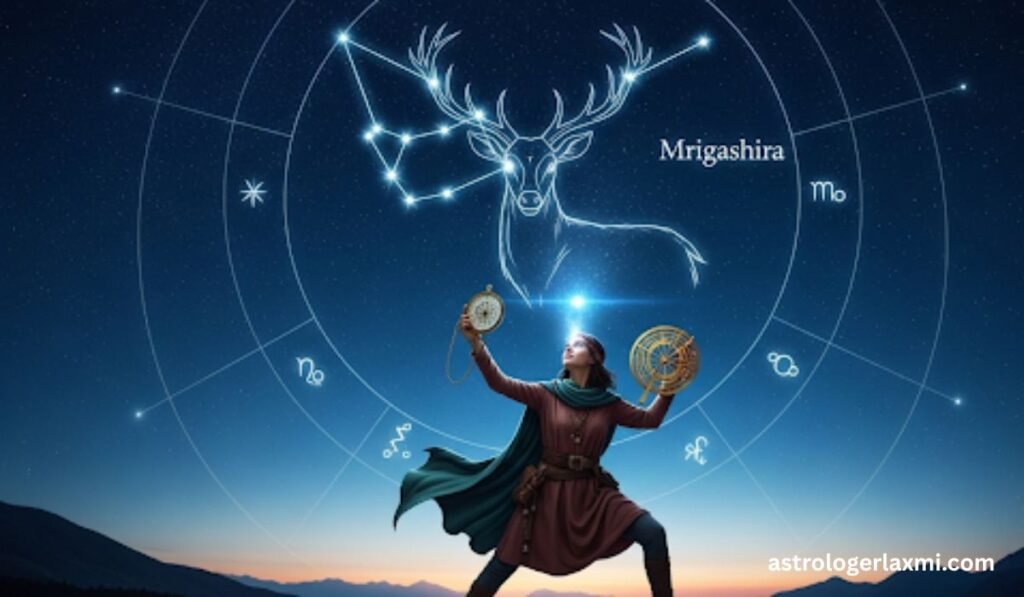
My Personal Reflections

I’ve always found myself drawn to women who seem soft on the outside but have an unshakable core. And in most cases, when I’d dig deeper (thanks to my fascination with astrology!), I’d discover they were born under Rohini Nakshatra.

What amazes me the most is how gracefully these women express their strength. Unlike many others who are loud about their power, Rohini women do it in silence through their work, their presence, and their ability to stay grounded even during storms.

There’s something divine and lunar about their aura. You’ll notice they have a glow, a kind of emotional richness in their eyes, and a deep connection to beauty and tradition. Even if they don’t say much, they leave a lasting impression.

Astrology Meets Reality

Astrologically, Rohini is about creation, beauty, and nurturing, and many of these celebrities reflect those traits in how they carry themselves and what they do.

  • Venus + Moon energy (Taurus sign + Moon-ruled nakshatra) makes them sensual, artistic, and connected to luxury
  • They often do well in industries like fashion, cinema, music, and art
  • They value emotional security, loyalty, and a peaceful home life

Even if they’re in the public eye, they often guard their private life fiercely and that’s something I deeply respect.

Conclusion

If I had to describe Rohini Nakshatra women in just a few words, I’d say: Elegant. Emotionally strong. Quietly powerful. The Indian female celebrities born under this nakshatra are not just beautiful they are creators, nurturers, and graceful warriors.

Whether it’s Aishwarya’s timeless charm, Samantha’s emotional truth, or Kajal’s calm joy these women show us that true power doesn’t always shout. Sometimes, it whispers in elegance.

If you’re a Rohini-born woman reading this take pride in your nakshatra! You’re one of the Moon’s favorite daughters. And if you know someone who is, now you might understand why they carry that quiet magic.

FAQs

Q1: Are Rohini Nakshatra women always calm and peaceful?


Not always. While they appear calm, they can feel intense emotions deeply. They may just choose to express them differently.

Q2: Is Rohini a good nakshatra for careers in entertainment?


Yes! Rohini is excellent for arts, music, acting, beauty, and creative careers.

Q3: Can I check if a celebrity is truly born in Rohini Nakshatra?


You can check if their Moon or Ascendant falls in Rohini by looking at their birth chart. Many fan astrology sites offer this info, but always cross-check.

Q4. Do Rohini Nakshatra celebrities succeed in acting and entertainment?


Ans. Yes, Rohini Nakshatra is considered very auspicious for careers in cinema, modeling, dance, music, and other creative arts. Many actresses achieve fame and admiration.

Q5. What is the personality of Rohini Nakshatra women?


Ans. They are usually artistic, romantic, confident, and strong-willed. They know how to balance charm with determination.

Q6. Is Rohini Nakshatra lucky for female celebrities?


Ans. Yes, it is one of the most favorable nakshatras for fame, recognition, and prosperity, especially in fields connected with beauty and art.

Q7. Do Rohini Nakshatra female celebrities face challenges in personal life?


Ans. Sometimes, they may face emotional ups and downs or be misunderstood in relationships due to their passionate and sensitive nature.
Mars In Cancer Sexuality Male

Mars In Cancer

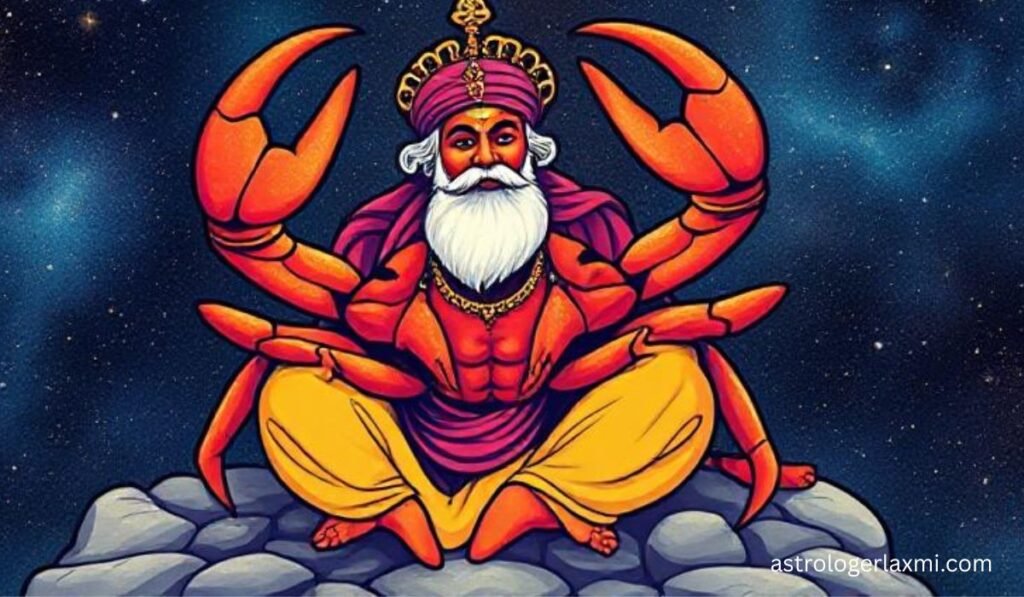
Mars in Cancer shows love through deep feelings and gentle care. They are protective, nurturing, and fight for their loved ones with kindness, not anger.

What Is Mars in Cancer?

When we talk about Mars in astrology, we usually think of passion, drive, action, and how we express desire. Mars is all about how we go after what we want, especially in love and relationships.

Now imagine Mars a fiery, aggressive planet moving into the sensitive, emotional, and nurturing sign of Cancer. That’s quite a mix! Mars in Cancer doesn’t fight with fists; it fights with feelings.

In this post, we’ll explore what it means when someone has Mars in Cancer in their birth chart, especially in love and relationships. We’ll look at the strengths, struggles, how they show love, and how they prefer to be loved. There’s also a handy chart to help you understand compatibility.

What Does Mars Represent in Astrology?

Before diving into Cancer, let’s quickly understand what Mars stands for in astrology:

Mars SymbolizesWhat It Means
ActionHow you take initiative
DesireWhat you want and how you chase it
AngerHow you express frustration or protect yourself
SexualityYour physical expression of love
CourageYour bravery and risk-taking style

Mars shows up in how you flirt, argue, and chase love but also in how you protect those you care about.

Mars In Cancer Sexuality Male

Mars cople

Mars = Passion + Desire + Action

Mars in your birth chart shows how you express desire, attraction, and energy—especially in bed! Let’s see what your Mars sign says about your sexual style.

Mars in Aries

You’re full of energy and passion. In bed, you’re fast, bold, and love taking the lead. You like excitement and can’t wait too long. You enjoy the thrill of the chase and can be very playful!

Key words: Fast, bold, adventurous, passionate

Mars in Taurus

You take things slow and steady. You love touch, comfort, and physical closeness. You like long, sensual experiences. You enjoy kissing, cuddling, and soft touches.

Key words: Sensual, slow, steady, physical

Mars in Gemini

You like fun and variety in bed. Your mind needs to be excited first. You enjoy talking, teasing, and trying new things. You get bored easily, so you love to keep it playful.

Key words: Playful, curious, talkative, fun

Mars in Cancer

Mars in Cancer individuals approach intimacy with a need for deep emotional connection

You need emotional connection before anything. You’re soft and caring in bed. You love feeling safe and close to your partner. You may be shy at first but are deeply loving.

Key words: Emotional, caring, gentle, sensitive

Mars in Leo

You love drama and passion! You like to feel special and powerful. In bed, you give a lot of attention and want to be admired. You’re romantic and love showing off a little.

Key words: Passionate, bold, generous, fiery

Mars in Virgo

You like to please your partner. You’re careful and pay attention to details. You may be shy at first but are great once you trust someone. Clean, neat, and very giving.

Key words: Giving, careful, thoughtful, service-oriented

Mars in Libra

You want balance, beauty, and romance. You don’t like rough or quick moves. You love flirting, eye contact, and making love slowly. You want your partner to enjoy everything too.

Key words: Romantic, gentle, charming, fair

Mars in Scorpio

You’re deep, intense, and magnetic. You want full control or deep trust. You feel everything strongly and love secret, powerful moments. You’re passionate and mysterious.

Key words: Intense, private, emotional, powerful

Mars in Sagittarius

You love adventure! In bed, you’re fun, wild, and always ready to try new things. You like to laugh and play. You don’t take things too seriously and love freedom.

Key words: Playful, adventurous, bold, wild

Mars in Capricorn

You are strong and steady. You take time to build trust. In bed, you like to be in control and enjoy things that last long. You may seem serious, but you’re powerful and patient.

Key words: Serious, steady, controlled, reliable

Mars in Aquarius

You like unusual and fun experiences. You need mental connection first. You enjoy trying different things and don’t always follow rules. You love freedom and surprises.

Key words: Experimental, unique, surprising, free-spirited

Mars in Pisces

You are dreamy and romantic. In bed, you love soft music, sweet touches, and deep emotions. You often connect through feelings, not words. You may enjoy fantasy and mystery.

Key words: Dreamy, emotional, romantic, gentle

What Is Cancer Like in Astrology?

Mars In Cancer Sexuality Male

Cancer is a Water sign, ruled by the Moon. This makes it emotional, intuitive, nurturing, and protective. Think of a cozy home, a warm hug, or someone who remembers your birthday every year.

Cancer keywords:
Sensitive, caring, loyal, moody, family-oriented, protective

When Mars is in Cancer, emotions take the wheel. People with this placement often lead with their heart, even if they hide it under a tough shell.

Mars in Cancer in Love: The Heart-Led Warrior

Mars in Cancer in Love

When it comes to love and relationships, Mars in Cancer is like a knight in emotional armor. They want to care for you, protect you, and build a safe home together.

How They Show Love:

  • Protective: They’ll always stand up for the people they love.
  • Nurturing: They show love through care, food, emotional support, and cuddles.
  • Slow to open: They don’t jump into love quickly they need to feel safe first.
  • Traditional romance: Flowers, handwritten notes, cooking together, family visits.

My Personal Experience:

One of my close friends has Mars in Cancer, and he once told me, “I don’t fall easily, but when I do, I’m all in.” He’s the kind of person who remembers your favorite food, checks on you when you’re sick, and makes sure you get home safely. Watching him love someone is like watching a warm fire burn—it’s quiet but full of heart.

The Challenges of Mars in Cancer

The Challenges of Mars in Cancer

Even though Mars in Cancer is deeply loving, it has its struggles especially in relationships.

Emotional Mood Swings

Cancer is ruled by the Moon, which changes signs every 2.5 days. That’s why Mars in Cancer folks can feel emotionally up and down, which affects their energy and reactions.

They might:

  • Retreat during conflict
  • Get passive-aggressive instead of direct
  • Feel emotionally overwhelmed in stressful situations

Shell and Claws

Because Cancer is the crab, they can hide their true feelings until they feel safe. But if they feel hurt or disrespected, they may snap back sharply or withdraw completely.

Holding Grudges

Mars in Cancer doesn’t forget emotional pain easily. If you hurt them, they may forgive, but they won’t forget they carry emotional memories for a long time.

Mars in Cancer: Love Compatibility Chart

Here’s a simple chart that shows how Mars in Cancer usually connects with other signs in love and relationships:

Partner’s Mars SignCompatibilityDescription
CancerExcellentBoth want emotional safety and deep connection
PiscesGreatEmotional and romantic, love flows naturally
ScorpioVery GoodPassionate, loyal, and deeply connected
Taurus GoodBoth value security, comfort, and loyalty
VirgoOkayCan build trust slowly, though Virgo may seem distant
CapricornMixedOpposites attract, but can clash in emotional expression
LeoTrickyLeo wants attention, Cancer wants emotional closeness
GeminiHardGemini is light and fast, Cancer is deep and slow
SagittariusUnstableSagittarius wants freedom, Cancer wants bonding
LibraSo-soCan work, but may struggle to express needs clearly
AriesClashMars rules Aries—too direct for gentle Cancer
AquariusColdAquarius may seem emotionally distant to Cancer

Keep in mind: Compatibility is more than just Mars! But Mars gives clues about how two people handle desire, anger, and action.

How to Love Someone with Mars in Cancer

If you’re in love with someone who has Mars in Cancer, here are some tips:

Don’t Rush Them

They need time to trust and feel emotionally safe. If you push too hard, they might retreat.

Show You Care About “Home”

Mars in Cancer loves comfort, tradition, and cozy routines. Talking about home, future plans, or cooking together can bring you closer.

Be Honest but Kind

They may take things personally, so choose your words with care. Emotional honesty is key—but it must come with kindness.

Physical Affection Matters

Cuddles, back rubs, holding hands this is how they often express and feel loved.

How Mars in Cancer Shows Anger

Anger isn’t loud with Mars in Cancer it’s silent, emotional, and deep.

  • They may withdraw or go quiet.
  • They could become passive-aggressive, using sarcasm or guilt.
  • If truly hurt, they might bring up past issues.

Tip: Let them process. Then talk gently and honestly. They’re more likely to open up when they feel safe.

Mars in Cancer and Sexuality

Mars in Cancer expresses sexuality through emotional connection. Without trust and affection, physical desire may fade.

What they love:

  • Slow, intimate connection
  • Feeling safe and cherished
  • Emotional build-up before physical touch

They’re not likely to enjoy casual flings. For them, sex is a way to feel emotionally bonded.

Growth for Mars in Cancer

If you have Mars in Cancer, here are some ways to grow:

  • Practice emotional boundaries: You don’t have to carry everyone’s emotions.
  • Learn to express anger directly: It’s okay to say what you need.
  • Balance giving and receiving: Your love is powerful—make sure it’s a two-way street.
  • Use your passion to create: Mars in Cancer people make amazing artists, parents, cooks, and caregivers.

Famous People with Mars in Cancer

Curious who else has this placement? These celebs show different sides of Mars in Cancer energy:

  • Lady Gaga – Emotionally expressive performer with a strong connection to home and family.
  • Meryl Streep – Powerful, emotional actress known for deep character work.
  • Robin Williams – Deeply sensitive and loving, often expressed care through humor.

Conclusion

Mars in Cancer is a gentle warrior. It may not scream or shout, but its strength lies in love, loyalty, and emotional depth. People with this placement fight for those they love with quiet intensity.

If you or someone you love has Mars in Cancer, know this:
They are fiercely protective, incredibly tender, and once their heart is yours, they’ll go to the ends of the earth to care for you.

And remember while Mars might be in Cancer, it’s still Mars.
Which means… they’ll love you like a storm, wrapped in a hug.

FAQs

Q1. What does it mean to have Mars in Cancer?


A: It means your action, desire, and passion are influenced by the emotional and caring sign of Cancer. You show love through protection, care, and emotional bonding.

Q2. Is Mars in Cancer good for relationships?


A: Yes, if emotional connection and loyalty are important to you. Mars in Cancer people are deeply loving and committed, but they may take time to open up.

Q3. How does Mars in Cancer express anger?


A: They don’t usually shout. Instead, they may go silent, withdraw, or become passive-aggressive. They need emotional safety to talk openly.

Q4. Is Mars in Cancer shy in love?


A: Yes, sometimes. They often hold back until they feel secure. But once they trust you, they are very affectionate and protective.

Q5. Who is most compatible with Mars in Cancer?


A: Best matches are usually other water signs like Pisces and Scorpio, or earth signs like Taurus. These signs offer emotional depth or steady comfort.

Q6. Is Mars in Cancer romantic?


A: Very! They enjoy heartfelt gestures, cozy time at home, and meaningful emotional connection. Their love is deep, not flashy.

Q7. Can Mars in Cancer handle conflict?


A: They avoid direct fights and prefer calm, emotional talks. But if hurt, they may retreat or hold grudges. Kind communication works best with them.

7th lord In 8th House Spouse Meeting: Deep Bonds

Ruler of the 7th House in the 8th House

7th lord In 8th House Spouse Meeting

Ruler of the 7th House in the 8th House: Have you ever felt like your relationships were more than just about love or companionship like they were meant to change you in some deep and mysterious way? As if every close connection peeled back another layer of your soul?

If this sounds familiar, there’s a chance the ruler of your 7th house (the house of partnerships) might be sitting in the 8th house (the house of transformation). This placement speaks of relationships that are anything but ordinary. These bonds are not just about romance or teamwork they’re about growth, surrender, and the kind of emotional honesty that scares and heals you at the same time.

I’ve seen this placement play out in the charts of people who’ve gone through intense love stories, deep betrayals, powerful recoveries, and even shared healing journeys with their partners. It’s both beautiful and complicated and in this post, I want to walk you through what it really means.

So, whether you’re learning about your own chart or someone else’s, let’s take a closer look at how the 7th house ruler in the 8th house can shape relationships, trust, intimacy, and growth.

Ruler of the 7th House in the 8th House

7th lord In 8th House Spouse Meeting

What Is the 7th House?

The 7th house in astrology is known as the House of Partnerships. It governs your long-term relationships—romantic or business. It reveals the kind of people you’re drawn to, how you behave in committed partnerships, and even what kind of person you might marry.

But there’s more it also reflects the “other” in your life. It acts like a mirror, showing you aspects of yourself through the people you choose to be close to. Sometimes that reflection is comforting, other times, it’s challenging. Either way, it’s always insightful.

What Is the 8th House?

Now, enter the 8th house, often whispered about as the House of Transformation, Death, Rebirth, Intimacy, and Shared Resources. This house doesn’t deal with light-hearted matters. It’s where we confront fears, experience deep merging with others, and face emotional truths that change us forever.

Think of it as the cave of the soul the place where power, vulnerability, sex, secrets, and spiritual depth live.

What Does It Mean When the Ruler of the 7th Is in the 8th?

In astrology, each house has a ruling planet based on the zodiac sign on its cusp. When the planet that rules your 7th house is found in the 8th house, it means that your partnerships are tied to 8th house themes—like trust, power, fear, healing, and emotional depth.

This is not a “surface-level dating” kind of placement. It’s for those who are ready to go all in—or who are learning what that really means.

What This Placement Means: A Deeper Dive

What This Placement Means: A Deeper Dive

1. Relationships Are a Path of Transformation

With this placement, relationships are rarely “easy breezy.” Instead, they feel like turning points in your life. You may meet someone and feel instantly changed or walk away from a relationship completely transformed.

It’s as if every major commitment brings with it a lesson you couldn’t learn on your own. You grow, not just in love, but in how you view yourself, your needs, your fears, and even your strength.

I once spoke with someone who had this placement, and she said every person she ever truly loved broke her open—but also helped her rebuild a stronger version of herself. That’s the power of the 8th house at work.

2. Deep Trust (and Deep Fear)

Because the 8th house deals with vulnerability, you might have a strong desire for closeness—while also fearing it. You want someone to know you completely, but you’re scared of being hurt or abandoned.

This emotional push-and-pull can be intense. You might test others to see if they’re trustworthy or keep part of yourself hidden until you feel completely safe.

That said, once you do trust someone, your bond is likely unshakable. You’re loyal, emotionally available, and often willing to face the deepest parts of your partner’s pain right alongside them.

3. Passionate, Soul-Level Intimacy

People with this placement aren’t interested in light-hearted flings. You crave emotional, physical, and spiritual merging. You want to know your partner’s past, their pain, their dreams, their darkness—and you’re willing to share yours too.

This can lead to relationships that feel almost fated, like you’ve known this person across lifetimes. Intimacy for you is more than just physical—it’s a kind of sacred vulnerability, a place where you and your partner truly see one another.

4. Finances and Shared Resources Play a Role

The 8th house also governs shared money, taxes, debts, inheritance, and financial entanglement. That means your relationships might involve joint financial decisions, or you may experience ups and downs in love tied to money.

Some people with this placement marry into wealth, while others may feel financially dependent or responsible for their partner. In any case, it’s wise to be transparent about money matters and to build mutual trust when it comes to sharing or merging resources.

5. Power Dynamics Can Get Intense

There’s a possibility of power struggles in your relationships. You or your partner may try to control, manipulate, or dominate emotionally or financially.

This doesn’t mean you’re doomed to toxic connections. But it does suggest that part of your soul’s journey is learning to balance power and surrender, and to form partnerships based on equality rather than control.

The relationships that serve you best will feel like a safe space to be seen, vulnerable, and strong—all at once.

What Kind of People Do You Attract?

What Kind of People Do You Attract?

You’re often drawn to partners who are deep, mysterious, powerful, emotionally intense, or even a little brooding. These people may have a quiet strength or carry emotional scars and they might recognize that same energy in you.

Some may be involved in healing fields like therapy, energy work, psychology, or finance and estate planning (yes, even the 8th house rules that!).

The key theme? Your partner often mirrors back your own hidden emotional world. And even when it’s difficult, these connections are never shallow they matter deeply.

Love and Growth: Your Relationships Are Sacred Journeys

One of the most meaningful things about this placement is the realization that your love life is part of your spiritual path. You’re not just learning how to love you’re learning how to let go, trust, transform, and rise stronger.

This can make you an incredible partner: intuitive, devoted, and emotionally wise. But it also means you may need to work through fears of betrayal, abandonment, or loss. You’re learning that love isn’t about control it’s about courageous connection.

Tips for Navigating This Placement

Tips for Navigating This Placement

1. Heal Yourself First

Your relationships can only go as deep as you’ve gone with yourself. Journaling, therapy, or energy healing can help uncover emotional patterns that hold you back.

2. Be Honest and Open About Your Needs

Don’t be afraid to say what you need in relationships emotionally, physically, or financially. Your truth deserves to be heard.

3. Practice Surrender, Not Control

Sometimes we try to control what we fear. But your strength lies in surrendering to trust, and allowing others to meet you with integrity.

4. Transform Through Love

You don’t need perfect relationships you need authentic ones. Let your relationships teach you, stretch you, heal you. That’s their purpose here.

Conclusion

When the ruler of your 7th house is in the 8th, relationships will shake you, remake you, and sometimes break you open only to reveal something more powerful within.

You’re not here to play it safe in love. You’re here to experience the kind of connection that teaches, heals, and transforms. The path may not always be smooth, but it is deeply meaningful—and incredibly rewarding for those who walk it with courage.

So if this is your placement, know that your heart is wired for depth, loyalty, and soul-level truth. And in a world that often runs from depth, that’s a rare and beautiful gift.

FAQs

Q1. What does it mean if the ruler of my 7th house is in the 8th house?

It means your relationships especially committed ones like marriage or business partnerships are strongly tied to 8th house themes like emotional depth, trust, intimacy, transformation, and shared finances. Your partners may change your life in big ways, and your bonds are rarely light or casual.

Q2. Is this a difficult placement for relationships?

It can bring intensity and emotional challenges, yes but it’s not a “bad” placement. It simply means your relationships are part of your growth and healing journey. You may face power struggles or deep emotional work, but you also have the potential for truly transformative, soulful love.

Q3. Can this placement lead to financial issues in marriage?

It’s possible. Since the 8th house rules shared resources, debts, inheritance, and taxes, money can be a major theme in your relationships. That doesn’t always mean problems but it does mean it’s important to communicate clearly about finances with your partner and create fair, honest agreements.

Q4. What kind of partner do I attract with this placement?

You may attract partners who are intense, emotional, mysterious, private, or even powerful in some way. They may have a strong presence or be involved in healing, finance, or spiritual work. These partners often mirror your own hidden emotional world and push you to grow.

5. Does this mean I’ll go through painful breakups or betrayal?

Not necessarily but it can mean that love teaches you deep lessons. You may experience trust issues, loss, or emotional transformation through relationships. But the goal isn’t pain it’s healing and empowerment. Every relationship becomes a stepping stone to knowing yourself more deeply.

Q6. Is this a good placement for emotional intimacy?

Yes, absolutely. You crave deep, soul-level connection, not surface love. Once trust is built, you can be incredibly loyal, emotionally available, and bonded for life. You’re capable of building very powerful and transformative emotional intimacy with the right partner.

Q7. Can this placement be spiritual?

Yes! The 8th house isn’t just about money and emotions it’s also about rebirth, energy, and the unseen. Many people with this placement feel that love is a spiritual journey. You may be drawn to tantra, psychology, energy work, or emotional healing practices within your relationships.

Transcendental Meditation Classes For Beginners

Accessing the Meditative State

Transcendental Meditation Classes

Have you ever caught yourself staring at your phone, not even remembering why you picked it up? Or lying in bed at night, tired but unable to turn off the noise in your head? You’re not alone. In our modern world, silence has become rare, and stillness almost feels unnatural.

We’re surrounded by distractions messages, updates, deadlines, worries and even when nothing’s happening, our minds keep running. It’s no wonder so many of us feel anxious, restless, or disconnected. We want peace, but we don’t know how to find it.

That’s why I started meditating. Not to escape life, but to feel more at home in it. Not to become someone new, but to remember who I really am underneath the noise.

In this blog, I want to share something simple: how to access the meditative state without rituals, robes, or retreat centers. Just real tools for real people, living real lives. Whether you’re on a noisy train, a quiet walk, or your lunch break, peace is still possible.

What Is the Meditative State?

Transcendental Meditation Classes

At its heart, the meditative state is a space of stillness within. It’s not about “switching off” your thoughts or becoming superhuman. It’s about gently slowing down enough to notice notice your breath, your body, your thoughts, and the present moment.

It feels like standing in the eye of a storm. Everything might still be moving around you, but inside, you feel calm. Sometimes this happens naturally when you watch the ocean, lose yourself in music, or sit by a campfire. That’s meditation too.

The meditative state is available to everyone, no matter their background. You don’t need to chant in Sanskrit or sit cross-legged for an hour. You just need a little curiosity and a few moments of intention.

Why Spirituality Feels Complicated Today

Why Spirituality Feels Complicated Today

Spirituality should feel like coming home. But often, it feels like stepping into a maze.

We have too much information books, apps, workshops, influencers all offering different paths. We’re told to follow specific techniques, eat certain foods, or practice with perfect posture. It can feel overwhelming or even intimidating.

And because many of us tie spirituality to religion or cultural traditions, we worry about “doing it wrong.” We think we need to be serious, silent, or spiritually advanced to get started.

But real spirituality isn’t about following rules. It’s about connection—connection to yourself, to nature, to others, and to something greater than your thoughts. That connection can start in the smallest of ways.

Step 1: Start With Awareness, Not Control

When I first sat down to meditate, I thought I was supposed to stop thinking. That didn’t work. The more I tried to control my mind, the louder it got.

Then I learned to just observe. To notice my thoughts, without chasing them. To feel my breath, without forcing it. That’s when things began to shift.

So start with awareness. Sit comfortably. Close your eyes or keep them soft. Focus on your breath. Don’t try to change it just follow it. Let your thoughts come and go like clouds. If your mind wanders (and it will), gently return to the breath.

Meditation is not about perfection. It’s about presence.

Step 2: Use Everyday Anchors

You don’t need a quiet mountaintop to meditate. Your daily life offers countless chances to pause and return to the moment. I call these “anchors.”

Try these:

  • Washing your hands: Notice the warmth of the water, the scent of the soap, the feeling of touch.
  • Walking: Feel your feet hit the ground. Listen to the rhythm of your steps.
  • Eating: Chew slowly. Taste each bite. Put your phone away and just eat.

These simple acts, done with attention, become sacred. They turn the ordinary into the extraordinary.

Step 3: Try Simple Breath Techniques

Your breath is always with you, and it’s one of the most powerful tools for calming your mind. When your breath slows, your body follows.

Here are two gentle techniques I use almost daily:

Step 4: Box Breathing (4-4-4-4)

  • Inhale for 4 counts
  • Hold for 4
  • Exhale for 4
  • Hold for 4

Repeat 4 to 6 times. It’s like giving your nervous system a warm hug.

4-7-8 Breathing

  • Inhale for 4
  • Hold for 7
  • Exhale for 8

This is my go-to for stressful days or sleepless nights. It brings a sense of peace within minutes.

Step 5: Let Go of the “Perfect” Experience

Some days, your meditation will feel magical. Other days, you’ll be distracted, impatient, or uncomfortable. That’s okay. Meditation isn’t about feeling calm right away—it’s about building a habit of turning inward.

I’ve cried during meditation. I’ve laughed. I’ve fallen asleep. Every experience has taught me something. So don’t judge your sessions. Just keep showing up.

You’re not meditating to escape yourself. You’re meditating to meet yourself—just as you are.

Step 6: Use Sounds to Help You Focus

If silence feels overwhelming at first, you’re not alone. That’s why sound can be so helpful.

I love using:

  • Nature sounds (like rain or waves)
  • Soft instrumental music
  • Guided meditations with gentle voices

These sounds create a container a safe space where you can breathe, relax, and drop inStep 6: Create a Simple Routine

The best way to build a practice is to keep it small and consistent.

Start with just 2 to 5 minutes a day. Sit after your morning coffee, before sleep, or during a work break. Set a gentle timer. That’s it.

Meditation is a habit like brushing your teeth. The more often you do it, the more natural it feels. Over time, you might find yourself looking forward to those quiet moments.

Step 7: Practice Presence in Small Moments

You don’t need to sit still to be meditative. Presence can happen anytime:

  • Watching the sunrise
  • Listening fully to someone speak
  • Feeling your breath while waiting in line

Each time you return to the moment, you step into stillness. That’s meditation in motion. That’s everyday spirituality.

Common Myths to Forget

Common Myths to Forget

Let’s debunk a few beliefs that might be holding you back:

  • “I can’t meditate. I think too much.”
    Thinking is normal. Meditation helps you observe, not erase, your thoughts.
  • “I’m not spiritual.”
    You don’t need to be. You just need to be human.
  • “I need to sit a certain way.”
    Nope. Sit, stand, lie down whatever feels right. Comfort matters more than posture.

Transcendental Meditation Classes for Beginners

CategoryDetails
What is Transcendental Meditation (TM)?A simple, effortless technique where a person silently repeats a specific mantra to settle the mind into a state of deep rest and inner peace.
FounderMaharishi Mahesh Yogi
Main FocusEffortless awareness, not concentration or contemplation
Who Can Learn?Anyone, regardless of age, belief, or background
Mantra-Based?Yes – a personalized sound (mantra) is given to each learner by a certified teacher
Class FormatUsually taught in 4–7 consecutive sessions by a certified TM teacher
Initial SessionOne-on-one instruction, includes receiving your personal mantra
Follow-Up SessionsGroup or individual practice, technique refinement, Q&A
Duration of Each Session1 to 1.5 hours per session
Course Length4 to 7 days (can vary depending on organization or center)
Practice Time at Home20 minutes twice daily (morning and evening)
EnvironmentQuiet and comfortable – no need for candles, poses, or apps
CertificationTaught only by certified TM teachers trained by official TM organizations
Course FeeVaries by country and center – some may offer scholarships
Main Benefits– Reduces stress & anxiety
– Improves focus & clarity
– Increases energy
– Promotes emotional well-being
– Enhances creativity
Scientific BackingOver 600 peer-reviewed studies show physical and mental health benefits
Difference from Other MeditationTM doesn’t involve concentration, effort, or mindfulness; it’s completely effortless and mantra-based
Best forPeople looking for deep rest, focus, and spiritual simplicity in a busy world

Conclusion

In this noisy world, the meditative state is like coming home a return to your breath, your heart, your quiet knowing. It doesn’t require a guru, a special place, or hours of practice. It just requires you, right here, right now. So take a deep breath. Feel your feet on the ground. Close your eyes, even for a moment. Let that be enough.

FAQs

Q1. What is the meditative state?

The meditative state is a calm and focused state of mind. It’s when you feel peaceful, aware of your breath, and present in the moment. It helps you feel more connected to yourself and less caught up in stress or overthinking.

Q2. Do I need to stop thinking to meditate?

No. You don’t need to stop your thoughts. Everyone thinks during meditation. The goal is to notice your thoughts without getting lost in them, and gently return your focus to your breath or the present moment.

Q3. Can I meditate if I only have a few minutes?

Yes! Even 2 to 5 minutes a day can make a difference. Meditation is about quality, not quantity. A few minutes of calm attention can help you feel more peaceful and clear-headed.

Q4. Do I need to sit in a certain position?

Not at all. You can sit in a chair, lie down, or even stand. The most important thing is that you feel comfortable and your back is supported. There’s no “perfect” posture.

Q5. What if I get distracted during meditation?

It’s completely normal. Just notice the distraction and gently bring your attention back to your breath or your chosen focus. Every time you return, you’re building your “awareness muscle.”

Q6. Is meditation only for spiritual or religious people?

No. Meditation is for everyone. It doesn’t belong to any one religion or belief system. It’s simply a way to feel more present, peaceful, and connected—whatever your background.

Q7. How can I start if I’ve never meditated before?

Start small. Sit quietly for a few minutes and focus on your breathing. You can use apps, nature sounds, or a short guided meditation to help. Don’t worry about doing it “right.” Just begin.

Uranus in Gemini: Education and the Core of Intelligence

Uranus in Gemini: Education and the Core of Intelligence

Uranus in Gemini

It’s not every day the cosmos hands us the metaphorical keys to a new classroom one without walls, blackboards, or boundaries as we know them. In July 2025, as Uranus, the celestial innovator and rebellious trailblazer, makes its bold entrance into Gemini, the sign of curiosity and communication, the air itself feels charged with possibility.

As an educator, lifelong learner, and firm believer in the magic of fresh starts, I feel both a gentle nervousness and a wild, youthful excitement about what comes next for all of us.

If you’re the sort of person who grew up with a love-hate relationship with school sometimes thrilled by discovery, sometimes disheartened by memorization this seven-year transit might feel like a long-awaited breath of fresh air.

It’s not only about faster WiFi, smarter classrooms, or even the wild realities of AI: it’s about reimagining what it means to be “intelligent,” how we learn, and how we connect. Let’s walk through this new era together, inviting wonder, empathy, and a willingness to rewrite a few rules of our own.

Opening Minds

Uranus in Gemini

With Uranus in Gemini, there’s a crackle of electricity in the way we approach learning a kind of collective coffee jolt for our brains. Gemini’s influence reminds me of those childhood moments when a single question (“Why is the sky blue?”) could crack open an entire afternoon of discovery. Now, especially with technology leading the way, that spirit of wonder expands exponentially.

Traditional classrooms are no longer the only place for education; digital platforms blossom, and learning communities cross oceans at the speed of thought. We’re moving into an era where a student’s needs or passions rather than their age or zip code drive what, where, and how they learn.

Think of AI companions that adapt lesson plans on the fly and teachers who collaborate not just with colleagues but with algorithms. It’s a time for fearless curiosity, where questions are more important than answers, and “I don’t know, let’s find out!” becomes the catchphrase of the times.

In my own journey as both student and educator, I see Uranus in Gemini as a personal invitation: to keep asking, to keep adapting, and to savor the art of learning for learning’s sake.

Rethinking Education: From Rote to Curiosity

Rethinking Education

If you’ve ever felt held back by cookie-cutter curriculums or saw grades squash your natural curiosity, you’re not alone. Uranus in Gemini vows to do things differently. The planets seem determined to nudge us away from rigid, one-size-fits-all methods toward something more alive where learning is less about what’s “supposed” to happen and more about what could happen.

A bit of history comforts me here: The last time Uranus traveled Gemini’s skies, thinkers like John Locke pushed for approaches to education that valued encouragement over punishment, and exploration over rule recitation. 

Today, with our digital toolkits, curiosity is the new credential. Critical thinking, adaptability, and deep listening matter far more than memorizing facts for a fleeting exam.

From personal experience, I’ve found that the learners who question, remix, and connect ideas are those who thrive in this fast-changing world. Amid the digital noise, the future belongs to the courageous askers and the tenacious wonderers. Uranus in Gemini, in a sense, demands that we all become students again curious, flexible, and brave enough to admit what we don’t yet know.

The Nature of Intelligence: Beyond Memorization

The Nature of Intelligence

What does it mean to be smart, anyway? During Uranus’s time in Gemini, definitions of intelligence are getting a rethink. Instead of viewing intelligence as a trophy handed to those who memorize most or test best, we’re starting to see it as a living, breathing process: connecting ideas, looking at problems sideways, and having the grace to update our opinions when new information shows up.

With the overwhelming influx of data.every ping, every scroll.true intelligence looks more like agility: the ability to pivot, adapt, and question sources rather than swallowing information whole. 

In my classrooms and among friends, I see the wisdom that arises from conversations, from secure “I don’t know” moments, and from the creativity sparked by uncertainty. This era rewards nimble minds and humble hearts, and honors both sharp logic and warm intuition.

The challenge one I face too will be to stay grounded amidst the rapid fire of ideas, learning to filter thoughtfully, trusting not only information but inner compasses of wisdom and integrity.

Technology’s Role: A New Learning Companion

Here’s where things get delightfully wild. Imagine each learner having a digital companion AI that knows when you’re ready for a challenge, or when you need a review, who cheers you on in your native language, or suggests topics you never thought to explore. 

This isn’t a far-off future: it’s already coming into form. Customization replaces “standardization,” and access opens up even for those in forgotten corners of the world.

Yes, our classrooms are changing shape, but so are our conversations. Podcasts, online debates, and virtual reality field trips are becoming as critical as textbooks. In my heart, the word “teacher” feels less like a static title and more like a friendly guide: showing learners of all ages how to discover, discern, and dream.

Challenges: Information Overload and Critical Thinking

Of course, there are shadows among the stars. With knowledge come the risks of information overload, mental fatigue, and the insidious creep of misinformation. Uranus in Gemini moves fast, which means each of us will have to develop a stronger inner filter emotional detachment, grounded discernment, and a keener sense of what truly matters.

I’ve felt it in my own life: the urge to chase the next shiny idea rather than dwell, reflect, and truly understand. It’s easy to become a collector of facts, but much harder and far more rewarding to become a cultivator of wisdom.

This cosmic moment calls us to slow down, prioritize depth over breadth, and value the long, thoughtful question as much as the instant answer.

Spiritual and Inner Growth

Gemini is more than wits and clever wordplay it’s about endless seeking. As Uranus moves through this sign, there’s a surge of interest not just in facts, but in meaning.

Many of us will find ourselves drawn to spiritual studies, alternative philosophies, or the mysteries that defy easy explanation sometimes through unexpected channels, like a midnight podcast binge or a sudden, life-changing book5. It’s not just about “knowing” but about becoming wise balancing head and heart, knowledge and intuition.

As I write this, I remember countless times when a conversation, a line of poetry, or even a pause beneath the stars changed the course of my day. This is the essence of Uranus in Gemini: a call to combine the seen and the unseen, the logic and the wonder, in shaping what it truly means to be educated.

Historical: Past Cycles of Uranus in Gemini

Looking back fuels hope. The last Uranus in Gemini cycles brought public libraries, radical shifts in literacy, and massive leaps in technology and communication. Each time, the world faced disruption but also profound progress. The lesson? Even in chaos, seeds are planted for future flourishing. Today’s growing pains debates over school systems, the surge of AI, and changes in how we talk are not just challenges, but part of a much larger story of collective awakening.

Conclusion

Uranus in Gemini isn’t just an astrological event; it’s a call to personal and collective adventure. It invites all of us students, teachers, dreamers, doers to step into a new story about education and intelligence.
Let’s embrace new tools, cultivate flexibility, and never lose sight of wonder. Intelligence, in this era, is alive: creative, adaptable, humble, and wise. As information gets faster and bigger, let’s pledge to remain curious grounded in what matters, but open to what could be.

As the world awakens, may we meet it with eyes or hearts wide open, ready to learn, to share, and, above all, to be changed.

Read:

FAQs

Q1. What does Uranus in Gemini mean in astrology?

Uranus is the planet of change, innovation, and revolution. Gemini is a zodiac sign associated with communication, curiosity, intellect, and learning. When Uranus moves into Gemini (as it will from mid-2025 to 2032), it signals a period of major shifts in how we think, learn, and communicate—both as individuals and as a society.

Q2. How long is Uranus in Gemini, and why is it important?

Uranus spends about 7 years in each zodiac sign. From July 2025 to around 2032, Uranus will be moving through Gemini. This spanning influence is significant because it affects collective trends—especially in technology, education, media, and how we perceive intelligence and learning.

Q3. What changes can we expect in education during this transit?

Expect big transformations, such as:

  • Increased use of technology and AI in learning
  • Personalized and adaptive education models
  • Decline in traditional “one-size-fits-all” schooling
  • Rise of digital learning platforms and global learning networks
  • Emphasis on creativity, critical thinking, and interdisciplinary skills

Q4. How does this transit affect students and teachers?

Students may experience both excitement and information overload. They’ll need emotional support, digital literacy, and critical thinking skills. Teachers, on the other hand, may evolve from content deliverers to learning facilitators—guiding students to explore, question, and create. Flexibility and adaptation will be key for both.

Q5. Will this affect all zodiac signs or just Geminis?

Everyone will feel the effects of Uranus in Gemini in different areas of their life, depending on where Gemini appears in their birth chart. However, those with strong Gemini, Virgo, Sagittarius, or Pisces placements may feel the changes most intensely. Still, this is a collective transit—shifting culture, education, and mental habits for everyone.

Sun as Darakaraka in Vedic Astrology: The Guide to Your Solar Spouse

Sun as Darakaraka in Vedic Astrology

Sun as Darakaraka in Vedic Astrology. There’s something magical about looking up at the night sky and wondering how those shining points of light could hold secrets about our lives. Vedic astrology, an ancient wisdom tradition, invites us into this cosmic conversation, offering insights about love, partnership, and destiny. One concept that sparkles with promise is the Darakaraka the planet in your birth chart whispering hints about the soul of your future spouse and the unique energy your married life will embody.

When the Sun claims this powerful position known as Sun Darakaraka it doesn’t merely cast light; it infuses your relationship journey with charisma, warmth, and the boldness of leadership. As someone who has seen these influences play out (both in my practice and through the stories friends share over endless cups of tea), I’m always struck by how the Sun’s rays can inspire and challenge in equal measure.

This post is a heartfelt exploration of what it means to have the Sun as your Darakaraka. Whether you’re just dipping your toes into astrology or hunting for deeper answers, I’ll guide you through its meanings with a personal touch, real-life stories, and grounded advice you can truly use.

What Is Darakaraka?

What Is Darakaraka?

Let’s start where all good stories begin: at the basics. In Vedic astrology, every planet symbolizes a piece of your psyche. But the planet sitting at the lowest degree in your birth chart (excluding Rahu and Ketu) becomes your Darakaraka your “spouse significator.”

The term comes from Sanskrit, where:

  • “Dara” means spouse or life partner
  • “Karaka” means significator

Your Darakaraka planet colors your relationship expectations, tells a tale about who you’re compatible with, and reveals the lessons destined to unfold in partnership. It’s a little like receiving a sealed letter from the universe about the “vibe” of your marriage and with the Sun in this spot, that letter gleams gold.

The Solar Touch: What Does the Sun Represent?

The Sun is astrology’s undisputed source of vitality and self-expression. Its themes run deep:

  • Confidence and Authority: The Sun radiates self-assurance, presence, and charisma.
  • Ego, Pride, and Self-Respect: It gives backbone and a strong sense of identity.
  • Leadership and Individuality: The Sun pushes us to stand out, lead, and stay true to ourselves.
  • Purpose, Inspiration, and Vitality: It energizes us, bringing vision and motivation to pursue our dreams.

When the Sun becomes your Darakaraka, these traits shape not just your idea of a partner, but the whole landscape of your romantic life. You may find yourself drawn to people who are natural-born leaders proud, principled, and ambitious. Or perhaps it’s the Sun’s warmth you crave: someone whose affection feels like gentle daylight after a long winter.

Core Qualities of a Sun Darakaraka Spouse

Core Qualities of a Sun Darakaraka Spouse

So, what kind of partner does a Sun Darakaraka bring into your life? Here’s what often stands out:

  • Confident and Charismatic: Expect a spouse who commands a room with their presence. Even in a crowd, they’re hard to miss!
  • Leadership and Independence: They don’t wait for permission to act. You’ll likely find them at the helm whether in their career, community, or family.
  • High Standards and Integrity: This partner holds firm to personal principles, seeking honesty and striving for excellence in all things.
  • Desire for Status: Recognition and respect matter to them. They may be ambitious for both themselves and your partnership, always reaching for new heights.

Possible Challenges: Every Sun Has Its Spots

Solar energy is powerful, but it isn’t always easy to manage:

  • Ego Clashes: Strong personalities can rub each other the wrong way—especially when both want to lead.
  • Adjustment Issues: A Sun Darakaraka partner values independence, making compromise a delicate dance.
  • Need for Appreciation: Their spirit thrives on acknowledgment; feeling unappreciated may lead to emotional storms.

Having supported friends with Sun Darakaraka placements, I’ve seen the joy and frustration that comes from loving someone who’s both inspiring and, occasionally, a little stubborn about being “right.” Nurturing such relationships means learning to honor both their light and your own.

Sun Darakaraka Through the Houses

The Sun’s placement in your horoscope’s houses adds a unique twist to its expression. Here’s a simple guide:

HouseMeaning for Marriage/Spouse
3rdCommunicative, creative partner; potential for secrets if Sun is afflicted.
4thLoving, nurturing spouse; joy in home life, possible gains in property.
5thRomantic, creative marriage; lucky for children and love if Sun is strong.
6thChallenges and effort required; hardworking partner.
7thBalanced partnership, public recognition; business savvy spouse.
8thKarmic connections, possible delays or unexpected changes.
9thBoosts fortune through marriage; scholarly or wise spouse.
10thMeet through career; marriage uplifts status and ambition.
11thPartnership via friends; material gains likely.
12thPossible foreign connections; spiritual theme in married life, occasional challenges.

Sun Darakaraka in Daily Life:

Let’s step away from the theory for a moment. One of my closest friends, a gentle soul with Sun Darakaraka, once told me how she was always drawn to partners who radiated ambition and a little bit of that “I’ve got this” swagger. Her husband, a natural leader at work and home, brings joy and motivation into her world but occasionally insists on the final say whether picking a couch or planning a trip. She laughs about needing “sunglasses” on his most intense days but deeply appreciates the way he pushes her to shine, too.

If you find yourself pulled to those who:

  • Set ambitious goals,
  • Stand out wherever they go,
  • Carry responsibility for friends and family…

… you may be living out the Sun Darakaraka story in bright, beautiful color. The secret? Celebrate each other’s successes without falling into contest.

The Professional Connection: Ambition Meets Love

There’s often a strong link between Sun Darakaraka marriages and joint ambition. Perhaps you meet through your workplace or develop a deep respect for each other’s talents as you cheer each other on. Rivalry can rear its head, but if you use it as healthy motivation, your relationship can become a powerhouse of growth and achievement.

Creativity, Health, and Influence: Living in the Sunlight

A Sun Darakaraka partner often brings creative spark maybe through art, sports, or simply a unique approach to daily life. It’s not unusual for them to hold an influential position in their community or be the go-to “fixer” among friends. I’ve seen these partnerships nudge both people towards healthier, more purposeful lifestyles like running weekend marathons or launching a blog together.

Aspects and the Sun’s Strength: A Balancing Act

The ease and joy of a Sun Darakaraka relationship often hinge on the Sun’s wellbeing in your chart. When supported by benefic planets (Jupiter, Mars, Moon), it brings wisdom, courage, and kindness into the mix. However, if it sits alongside difficult planets like Saturn or Rahu, you may need extra patience as you navigate issues of pride or control. Remember, sunlight nurtures but can burn if unchecked.

Tips for Navigating a Sun Darakaraka Partnership

A few heartfelt strategies for harmony:

  • Appreciate Achievements: Never underestimate the power of genuine praise.
  • Respect Their Vision: Give space for their dreams, and step up as a co-leader when you can.
  • Communicate Openly: Address issues with kindness and directness leave blame at the door.
  • Support Each Other’s Growth: Let the relationship be a place of mutual encouragement.

And always, remember your own worth. The Sun shines brightest when surrounded by other stars!

My Personal Take and Advice

From what I’ve observed, Sun Darakaraka couples radiate both warmth and a little heat. They are passionate, inspiring, and sometimes overwhelming but always encourage each other to level up. The most gratifying growth often happens in these relationships not just as partners, but as individuals learning to lead, follow, and uplift in turn.

True partnership isn’t about taming the Sun, but learning to dance with its light and shadow. If you or your loved one carries this placement, embrace the ongoing adventure and let the years ahead be filled with confidence, laughter, and purpose.

Conclusion

The Sun as Darakaraka is both a challenge and a blessing: it brings luminous potential for a marriage rich in purpose, ambition, and warmth. If you resonate with people of presence and drive, or seek to build a partnership where both can stand tall, this placement offers remarkable rewards.

Let astrology guide your understanding, but always remember: your choices write the real story. May your journey with Sun Darakaraka inspire you to claim your own light and cherish the shining spirit beside you.

If you’re curious about your chart or wish to dig deeper, connecting with an experienced astrologer can be a revelation. Here’s wishing you a path full of love, growth, and radiant happiness.

FAQs

Q1. What is Darakaraka in Vedic astrology?

Darakaraka is the planet with the lowest degree in your birth chart (excluding Rahu and Ketu). It acts as the “significator of the spouse” and reveals the qualities and characteristics of your future partner123. Its placement in your chart also influences the flavor of your married life, the lessons you’ll tackle in relationships, and sometimes, even wealth and business partnerships23.

Q2. How do I find my Darakaraka planet?

  • List all planets (excluding Rahu and Ketu) in your birth chart with their degrees.
  • The planet with the lowest degree is your Darakaraka243.
  • For example, if the Sun is at the lowest degree, it becomes your Darakaraka.

Q3. What does it mean if the Sun is my Darakaraka?

If your Darakaraka is the Sun, your future spouse is likely to have qualities such as:

  • Leadership and authority
  • Self-confidence and charisma
  • Ambition and high self-respect
  • Desire for status and recognition152

Sun as Darakaraka also suggests a marriage influenced by ambition, mutual respect, but possible clashes of ego or stubbornness.

Ashlesha Nakshatra in Vedic Astrology: The Intense 9th Nakshatra

Ashlesha Nakshatra in Vedic Astrology

Ashlesha Nakshatra in Vedic Astrology. The Mystery That Lives Within. Have you ever met someone who seems calm on the outside but holds an entire ocean of emotion and secrets within? Someone whose words stay with you, who speaks softly yet powerfully, and who somehow makes you feel like they see through you?

Chances are, they might have been born under Ashlesha Nakshatra, the 9th nakshatra in Vedic astrology. Ashlesha is not your average star. It carries the essence of mystery, depth, and transformation. Nestled deep within the heart of Cancer (Karka Rashi), this nakshatra has long fascinated astrologers for its blend of emotional intensity, spiritual depth, and even its shadowy corners.

As someone who has observed many Ashlesha natives in real life friends, colleagues, and clients I’ve seen firsthand how this nakshatra wraps people in a kind of magical, unpredictable aura. They’re the ones who are often misunderstood, yet once you get to know them, you realize they are deeply intuitive, protective, and fiercely loyal.

So let’s take a closer look at Ashlesha its energy, symbolism, personality traits, and spiritual path.

The Symbol: A Coiled Serpent of Secrets and Strength

The image of a coiled serpent might sound intimidating, but in Vedic symbolism, it’s rich with meaning. The snake is both feared and revered. It represents hidden knowledge, rebirth, power, and healing. A snake can strike when provoked, but it can also slither away silently, watching and waiting.

People born under Ashlesha are often just like that introspective, cautious, but ready to act when the time is right. Their strength lies in their ability to observe deeply, sense emotional undercurrents, and make powerful choices often in quiet, unexpected ways.

Like a snake that sheds its skin, Ashlesha natives often go through phases of personal transformation. One version of them must die so the next can be born. It’s not always easy, but it’s powerful.

Ashlesha Nakshatra in Vedic Astrology

Ashlesha Nakshatra

Deity: The Nagas – Guardians of the Underworld

Ashlesha’s ruling deities are the Nāgas, mystical serpent beings who dwell in the underworld realms. In Hindu mythology, the Nagas guard hidden treasures and secret knowledge. They are deeply spiritual beings, yet also capable of wrath and vengeance when disturbed.

This duality defines Ashlesha well. At their best, these individuals are protective, wise, and healing. But if their emotional space is violated or they are betrayed, they can become cold, distant, or even manipulative. The lesson here is learning to balance emotional sensitivity with spiritual strength.

Planetary Ruler: Mercury’s Sharp Tongue Meets Serpent’s Wisdom

Ashlesha is ruled by Mercury (Budha), the planet of intellect, speech, and cleverness. This gives Ashlesha natives a sharp mind, a love for reading between the lines, and the ability to communicate with impact.

Mercury’s influence can make them great writers, speakers, psychologists, or strategists. But when combined with Ashlesha’s serpent energy, this sharpness can turn into manipulation, if not channeled well. Their words can heal or hurt. Awareness of this gift is key.

Personality Traits: Complex, Magnetic, and Deep

Personality Traits

Ashlesha natives are never one-dimensional. Their personalities often feel like a puzzle—one that only a few people ever solve.

Positive Traits:

  • Emotionally Wise – They can read a room or a person within seconds.
  • Highly Intelligent – Quick learners, sharp analysts, and deep thinkers.
  • Spiritual & Mystical – Drawn to hidden knowledge, dreams, and the occult.
  • Charismatic – Subtle but powerful presence; their energy leaves a mark.
  • Protective – They may not show it openly, but they’ll go to great lengths to protect loved ones.

Challenging Traits:

  • Secretive – They rarely open up fully, often fearing betrayal or judgment.
  • Possessive or Jealous – Their emotional attachments run deep.
  • Emotionally Reactive – Wounds from the past can affect their present.
  • Cunning When Hurt – If betrayed, they may respond with cold calculation rather than emotion.

Ashlesha in Love and Relationships

Ashlesha in Love and Relationships

Love is never casual for an Ashlesha native. When they bond, it’s soul-deep. They look for emotional security, honesty, and a partner who can handle their intensity.

But they often face emotional ups and downs in relationships. Their fear of betrayal can lead to control issues or withdrawal. Trust is their biggest challenge—and once it’s broken, it’s rarely repaired.

Yet, when loved and understood, Ashlesha partners are loyal, passionate, nurturing, and incredibly supportive. They need partners who see their softness behind the steel and are willing to walk with them through the emotional tunnels they often find themselves in.

Career Paths: The Investigators and Emotional Alchemists

Career Paths

Ashlesha natives do best in careers where they can use their intellect, emotional insight, and persuasive communication. They often excel in:

  • Psychology & Counseling
  • Astrology, Mysticism, or Healing Arts
  • Writing, Editing, or Journalism
  • Politics or Strategic Planning
  • Criminal Investigation, Law, or Intelligence Services
  • Therapeutic or Spiritual Work

They may face several career shifts, especially early in life, as they search for meaning. But once they find their path, they can become masters of their craft.

Spiritual Growth: Shedding the Old to Embrace the True Self

Ashlesha Nakshatra is deeply karmic. Many Ashlesha-born souls carry the weight of ancestral or past-life patterns. Their spiritual journey often involves:

  • Facing emotional shadows
  • Learning to forgive and let go
  • Transforming pain into healing
  • Using their emotional energy for service or spiritual growth

Practices like Kundalini yoga, mantra chanting (especially for Mercury), deep meditation, and working with serpent symbolism can help them evolve.

Ashlesha Padas: The Four Shades of the Serpent

Each quarter (pada) of Ashlesha adds a unique tone to the native’s personality:

Pada 1 (Leo Navamsa):

Leads with charisma and leadership. Strong desire for recognition and control.

Pada 2 (Virgo Navamsa):

Highly analytical and detail-oriented. More grounded, but emotionally sensitive.

Pada 3 (Libra Navamsa):

Charming and diplomatic, with a strong desire for emotional balance and beauty.

Pada 4 (Scorpio Navamsa):

The most intense. Emotionally transformative, secretive, and deeply spiritual.

Famous Ashlesha Natives

These personalities embody the magnetic intensity and emotional power of Ashlesha:

  • Carl Jung – The psychologist who explored the shadow self.
  • Indira Gandhi – A strong-willed leader with emotional depth.
  • Robert De Niro – Known for roles that reflect psychological depth and emotional complexity.

Conclusion

Ashlesha Nakshatra is a journey a deep and emotional one. It’s not about living on the surface. It’s about diving into the hidden corners of the self, embracing the shadows, and turning pain into power.

If you or someone you know was born under Ashlesha, honor the depth, the intensity, the quiet strength, and the emotional wisdom that comes with it. These are the people who can heal others, break patterns, and quietly change the world from the inside out.

Just like the serpent, Ashlesha teaches us that true power doesn’t need to roar. Sometimes, it simply watches, waits, and transforms.

FAQs

Q1. What zodiac sign is Ashlesha Nakshatra in?

Ashlesha Nakshatra lies entirely within the zodiac sign of Cancer (Karka Rashi), from 16°40′ to 30°00′.

Q2. What is the symbol of Ashlesha Nakshatra?

The main symbol is a coiled serpent, representing mystery, transformation, wisdom, and hidden power.

Q3. Who is the ruling deity of Ashlesha Nakshatra?

The ruling deities are the Nāgas, or serpent gods, who guard hidden knowledge and treasures in Hindu mythology.

Q4. Which planet rules Ashlesha Nakshatra?

Mercury (Budha) is the ruling planet. It gives Ashlesha natives intelligence, communication skills, and mental agility.

Q5. What are Ashlesha Nakshatra people like?

They are often emotionally deep, intelligent, mysterious, and transformative. They may also be secretive and intense in relationships and personal growth.

Q6. Is Ashlesha Nakshatra good for marriage?

Ashlesha natives can be loyal and passionate partners, but they may struggle with trust, jealousy, or emotional insecurity. Marriage success depends on emotional maturity and mutual understanding.

Q7. What careers suit Ashlesha Nakshatra natives?

Ideal careers include psychology, astrology, healing, writing, investigation, counseling, and any role that requires emotional depth and communication skills.

Q8. What spiritual practices are helpful for Ashlesha natives?

Meditation, mantra chanting (especially for Mercury), Kundalini yoga, and emotional healing practices can support their growth and balance.

Are Marriages Made in Heaven? An Astrological Insight

Are Marriages Made in Heaven

An Astrological Insight
Astrology suggests some love stories are written in the stars but lasting marriage also needs effort, trust, and connection.

A Love Story Written in the Stars?

Have you ever heard someone say, “Marriages are made in heaven”? It’s a phrase filled with hope, romance, and mystery. In many cultures especially in India this idea isn’t just poetic, it’s deeply believed. But what does it truly mean? Is there a cosmic plan that brings two people together? Can astrology really tell us if we’re meant to be with someone?

Like many people, I’ve often wondered if love is just luck or something deeper. That’s where astrology comes in. It doesn’t just deal with predictions. It opens a window into who we are, what we need in relationships, and why we connect with certain people so intensely.

In this blog post, we’ll explore how astrology helps us understand the idea of heavenly marriages. Whether you’re a believer or simply curious, this journey through the stars might surprise you.

What Does “Made in Heaven” Mean in Astrology?

In astrology, each person’s birth chart created using their date, time, and place of birth is like a cosmic blueprint. It shows where the planets were when you were born, revealing your personality, emotional patterns, and even how you love and relate.

When people say, “This marriage was made in heaven,” astrologers might agree if the two people’s charts show harmony, connection, and strong compatibility. Some believe it’s not just a coincidence. These charts may reflect a divine or karmic plan, written in the stars before the couple ever met.

The Role of Planets in Love and Marriage

Several planets have a major say in how we love, what we’re attracted to, and how we connect in relationships:

  • Venus – The planet of love, romance, and beauty. It reflects how you express affection.
  • Mars – Passion, desire, and the spark of attraction.
  • Jupiter – Growth, blessings, and spiritual bonds.
  • Moon – Emotions, comfort, and nurturing energy.
  • Saturn – Stability, long-term commitment, and maturity.

If these planets are well-aligned between two charts—like one person’s Venus harmonizing with the other’s Mars it often means emotional and physical chemistry. When Jupiter supports the relationship, it adds wisdom and mutual respect. And Saturn? It makes love last.

Kundli Matching: The Vedic Approach to Compatibility

In Vedic astrology, the idea of heavenly marriages is taken seriously especially during Kundli matching, also known as Gun Milan. It’s a traditional process used before marriage to check compatibility.

This system scores a match out of 36 points, based on:

  • Varna – Spiritual and mental compatibility
  • Vashya – Mutual control and influence
  • Tara – Destiny and health
  • Yoni – Physical and sexual harmony
  • Graha Maitri – Mental and emotional connection
  • Gana – Personality traits and behavior
  • Bhakoot – Family life and financial stability
  • Nadi – Genetic and health compatibility

A score of 18 or more is usually considered acceptable. Higher scores suggest stronger emotional, spiritual, and practical bonding what some might call a match made in heaven.

Karmic Connections and Past Lives

Have you ever met someone and felt instantly close like you’ve known them forever? Astrology has an answer for that too.

Many astrologers believe in karmic relationships connections formed in past lives that return in this one. When certain patterns show up in your chart (especially involving Rahu and Ketu, the Moon’s Nodes), it may mean you and your partner share a soul history.

These relationships often feel intense. They may come with powerful emotions or life lessons. Whether they bring joy or challenge, they’re thought to be part of your soul’s growth.

Not Every Match Is Heavenly

Even if astrology shows a strong match, it doesn’t guarantee a perfect life. Love isn’t always easy—even for couples with the best charts. Life brings its own ups and downs.

Astrology can guide you, but it can’t replace free will, communication, emotional maturity, or mutual effort. A strong marriage is built day by day with trust, honesty, and shared goals.

Some couples with lower astrological scores thrive through understanding and effort. Others with great scores might face struggles if they don’t nurture the relationship.

Signs of a Harmonious Marriage in Astrology

Here are a few signs astrologers often look for in a well-matched couple:

  • Venus and Moon in harmony – Emotional depth and romantic closeness
  • Strong 7th house – Partnership and marital stability
  • Favorable Saturn aspects – Loyalty and long-term endurance
  • Supportive Jupiter – Joy, growth, and shared values
  • Compatible Ascendants – Natural comfort and ease between partners

These factors can bring emotional security, attraction, and a shared sense of direction.

When Things Don’t Match: Remedies and Support

In Vedic astrology, if a match shows doshas (flaws), there are remedies to balance the energy:

  • Chanting sacred mantras
  • Doing pujas (rituals) for planetary peace
  • Wearing specific gemstones
  • Fasting on particular days
  • Visiting temples or performing spiritual acts

These remedies are often done with faith and guidance, helping couples strengthen their bond and remove obstacles.

Modern Love and Astrology

In today’s world, astrology isn’t just used for arranged marriages. Many people in love relationships now explore their compatibility through birth charts.

It’s no longer about superstition. It’s about self-awareness. Astrology can help you understand your needs, your partner’s emotions, and how to build a stronger connection.

When approached with an open heart, astrology becomes a tool for growth and healing, not fear or control.

Conclusion

So, are marriages made in heaven?

Maybe some are. Astrology does point to relationships that seem destined or spiritually guided. The stars can show us where our strengths lie and how to overcome challenges. They can even explain those magical feelings of deep connection.

But in the end, a true “heavenly” marriage is one where two people choose each other every day with patience, kindness, and care. The stars may light the way, but it’s our hearts that do the walking. And perhaps that balance between destiny and daily devotion is the most beautiful kind of love there is.

FAQs

Q1. Can astrology really predict who I will marry?

Astrology can’t give the exact name of your future partner, but it can provide clues about their personality, timing of marriage, and compatibility based on your birth chart. It can also highlight qualities to look for in a lifelong partner.

Q2. What is Kundli matching and is it necessary for a successful marriage?

Kundli matching (Gun Milan) is a Vedic system used to check compatibility between two people before marriage. While it’s a helpful guide, emotional maturity, communication, and shared values also play a big role in a successful marriage.

Q3. What if our Kundli score is low should we not get married?

A low score doesn’t always mean a relationship will fail. Astrology also offers remedies, and many couples with lower scores thrive through love, trust, and effort. It’s best to consult an experienced astrologer for guidance.

Q4. What are karmic relationships in astrology?

Karmic relationships are believed to be soul connections from past lives. These relationships can be intense and transformative. Astrology identifies them through placements of Rahu, Ketu, and the 12th house in the birth chart.

Uranus In The 12th House in Your Yearly Solar Return Chart

Uranus in the 12th House

Uranus In The 12th House. Have you ever felt a quiet stirring deep within like something in your soul is changing, even if you can’t quite put it into words? Maybe your dreams are more vivid. Maybe solitude suddenly feels like a friend. Or maybe you’ve started questioning things you once believed were solid and true.

If you’ve just had a birthday and Uranus shows up in the 12th house of your Solar Return chart, you’re entering a year that invites you to look inward really inward. This isn’t a time of outer drama. It’s a time of quiet revolution. Think of it as a cosmic nudge toward uncovering forgotten parts of yourself. The parts that have been tucked away beneath responsibilities, routines, or fear.

This placement is a mysterious one beautiful, unsettling, and healing all at once. Whether you’re curious about astrology or you’re a seasoned chart-reader, let’s explore what it really means when the planet of shock and liberation visits the most hidden corner of your Solar Return.

What Is the Solar Return Chart?

Every year, when the Sun returns to the exact spot it was when you were born, a new Solar Return chart is cast. Think of it as your personal New Year’s roadmap a snapshot of your emotional climate, major themes, and cosmic lessons for the year ahead.

Each house in this chart shows where you might experience growth, challenge, or change. And when Uranus lands in your 12th house, it lights up a realm that most people rarely explore: your inner world your subconscious, dreams, spirituality, solitude, intuition, and even your connection to the divine.

The 12th house is not loud. It whispers. But when Uranus is here, it can shake your soul awake.

Uranus: The Planet of Awakening and Unrest

To understand this placement better, let’s take a closer look at Uranus itself.

Uranus is the great awakener. It doesn’t ask for change it demands it. It’s electric, unpredictable, and fiercely independent. This planet rules:

  • Sudden breakthroughs
  • Unexpected changes
  • Innovation and rebellion
  • Liberation from outdated systems
  • Genius thinking and intuitive flashes

When Uranus shows up in your chart, it stirs the pot. Sometimes gently. Sometimes not so gently. But always with the purpose of setting you free from limitations, outdated beliefs, or emotional prisons you didn’t even know you were in.

The Deep Waters of the 12th House

The 12th house in astrology is sometimes misunderstood. It’s not about career, relationships, or public success. It’s about what lives in the quiet corners of your psyche:

  • Subconscious beliefs
  • Dreams and visions
  • Spiritual connection
  • Emotional healing
  • Solitude, retreat, and inner peace
  • Past karma and ancestral memory

It’s the space of the soul, not the ego. And it’s where you may go to heal what the world never saw you carrying.

Uranus in the 12th House: What This Year Might Bring

When Uranus lands in your 12th house, don’t expect fireworks but do expect inner lightning. This is a year where your soul speaks louder than your schedule. You may not always know why you’re feeling what you’re feeling, but that doesn’t mean it’s not real.

Let’s break down how this energy might show up in your life:

1. Sudden Spiritual Insights

There may be moments this year where it feels like the universe is whispering secrets just for you. You might wake up from a dream that feels like a message. Or suddenly know something that you didn’t know the day before.

Tip: Write it down. Keep a dream or intuition journal. Don’t dismiss what seems “random” your higher self is speaking.

2. A Pull Toward Solitude and Retreat

You might find yourself craving space space to think, feel, or just be. That’s not you being distant or antisocial. That’s Uranus gently pulling you inward so you can listen more closely to your inner voice.

Tip: Even short daily quiet times like a walk in nature or 10 minutes of stillness can work magic this year.

3. Letting Go of Mental and Emotional Clutter

This could be the year you finally see the beliefs and fears that have been holding you back. Maybe you notice old patterns, toxic self-talk, or inherited emotional baggage. Uranus in the 12th helps you release it. Sometimes suddenly. Sometimes painfully. But always with freedom as the goal.

Tip: Journaling, therapy, or shadow work can support this cleansing process. Be kind to yourself through it.

4. Strange Synchronicities and Unexpected Interests

You may find yourself drawn to things you once dismissed energy healing, past life exploration, astrology, or other spiritual tools. Strange “coincidences” may start guiding your steps. Pay attention.

Tip: Trust the nudge. If something lights you up or keeps showing up, follow the thread. It may lead somewhere beautiful.

5. Inner Healing From Past Pain

This may be the year you finally grieve something you never had the time or space to grieve. Or forgive someone including yourself. Uranus doesn’t erase the past, but it can help you break its hold.

Tip: Healing isn’t linear. But every tear, every insight, every moment of quiet reflection is a step forward.

Challenges You Might Face

Even beautiful transformations can feel hard. Here are a few common challenges people face with this placement:

  • Feeling overwhelmed by emotions or memories
  • Restless sleep or vivid dreams
  • Difficulty focusing or feeling “scattered”
  • Loneliness or a sense of spiritual disconnection

Advice: Don’t go through this alone. Even though the 12th house is inward-focused, safe support (like a therapist, healer, or spiritual guide) can be invaluable.

How to Work With This Energy

Want to embrace this cosmic invitation instead of resisting it? Here are some powerful ways to partner with Uranus in your 12th house:

Meditate or sit in stillness daily – Even 5 minutes can help settle your mind and connect you to higher wisdom.
Keep a notebook by your bed – Some of your best insights may come in dreams or quiet moments.
Be curious, not judgmental – If strange ideas or emotions arise, don’t label them as “good” or “bad.” Just observe.
Say yes to solitude – Time alone doesn’t mean isolation. It means intimacy with yourself.
Create something – Art, poetry, music any outlet can help express the inner stirrings.

Conclusion

Not all transformations are visible. Some happen quietly, in the sanctuary of your own heart. Uranus in the 12th house is like a lightning bolt in the night brief, bright, and unforgettable. It can illuminate parts of you that have waited lifetimes to be seen. And though this year may feel mysterious or uncertain at times, trust that something sacred is happening beneath the surface.

By your next birthday, you might not recognize your inner world. And that’s a beautiful thing. Sometimes the most powerful growth isn’t in doing mor but in being more fully yourself.

FAQs

Q1: Is Uranus in the 12th house a bad placement?


A: Not at all. While it can feel confusing or intense, this placement offers deep inner healing and spiritual breakthroughs. It’s more about internal changes than external chaos. The key is to embrace solitude, reflection, and trust the process.

Q2: Will I feel these effects all year long?


A: Yes, the Solar Return chart typically influences the entire year from one birthday to the next. Some experiences may come in waves or during key transits, but the overall energy will stay with you for the full Solar Return cycle.

Q3: Can Uranus in the 12th house affect my sleep or dreams?


A: Absolutely. Many people with this placement report vivid dreams, sleep disruptions, or even insomnia. That’s because Uranus is activating your subconscious. A dream journal or calming nighttime rituals can help.

Q4: What if I don’t feel spiritual or intuitive?


A: That’s okay. You don’t have to identify as spiritual to feel this influence. Uranus may simply help you break through old mental patterns, limiting beliefs, or emotional habits regardless of your belief system.

The Misunderstood Side of Spirituality: Common Beliefs About Spirituality?

The Misunderstood Side of Spirituality

The Misunderstood Side of Spirituality
Not all that glows is light—true spirituality is often quiet, raw, and real.

What Most People Think Spirituality Is?

When you hear the word spirituality, what do you feel?
Some imagine a monk in silence, high up in the Himalayas. Others picture incense smoke curling through the air, someone meditating cross-legged, or people wearing beads, crystals, and speaking about “high vibrations.”

For a long time, I was also confused. I thought spirituality was something outside of me something mystical and far away that only the “chosen” could access. It seemed like a secret club I didn’t belong to. But slowly, as life threw me into both chaos and stillness, I discovered that spirituality isn’t always loud or visible. Sometimes, it’s as quiet as a breath, as real as pain, and as simple as love.

Spirituality is deeply human.
It’s not about escaping life but embracing it fully. It’s about learning to sit with both your joy and your sadness, your light and your shadow, and understanding that everything has something to teach you. It’s about connection not just with something higher, but with yourself and the world around you.

In this blog, I’d like to explore the often misunderstood side of spirituality. I’ll share thoughts and personal reflections that have shaped how I see this path. If you’ve ever felt like you didn’t “fit” into the spiritual world, this is for you.

The Misunderstood Side of Spirituality

1. Spirituality Is Not Just About Religion

One of the biggest misconceptions I’ve encountered is that spirituality and religion are the same. They’re not.

Religion often provides structure rituals, traditions, and community. It gives people a shared language and way to connect with the divine. But spirituality is something even more personal. It’s your inner dialogue with life. It’s how you feel in moments of silence or awe watching a sunset, holding a baby, or sitting by the sea.

You don’t need to belong to a religion to be spiritual. You just need to be willing to look within.

I’ve met people who never followed any formal belief system, yet they live with deep awareness and compassion. They don’t preach, but they embody peace. That’s the kind of quiet spirituality that often goes unnoticed—but it’s powerful.

2. It’s Not About Always Being “Positive”

“Just stay positive.”
How many times have we heard that in hard moments? While positive thinking has its place, true spirituality doesn’t avoid discomfort. It embraces it.

Spirituality isn’t about denying sadness, fear, or anger. It’s about learning to sit with those feelings and listen. Every emotion, even the difficult ones, carries a message. Growth comes when we stop running and start feeling.

I remember breaking down during a time of personal loss. A friend said, “You’re supposed to be spiritual. You should be calm.” But in that moment, crying on my kitchen floor, I realized that spirituality isn’t about having it together it’s about being real. That was one of the most spiritual moments of my life.

3. You Don’t Need Fancy Tools to Be Spiritual

Crystals, incense, mantras, moon rituals these can be beautiful aids. But they are not the essence of spirituality. They are expressions, not requirements.

You don’t need anything external to connect with the sacred. The divine lives in your breath, your thoughts, your actions. You can be spiritual washing the dishes if you do it with presence.

I once met an old woman who told me, “I talk to God while hanging laundry. That’s my meditation.” Her wrinkles held more wisdom than any book I had read.

Spirituality is about how you live, not what you buy or wear.

4. Spirituality Is Not an Escape from Life

There’s a belief that spiritual people are always calm and disconnected from daily worries that they float above worldly concerns.

But in truth, real spirituality makes you more grounded, not less. It helps you show up more fully for your family, your work, your responsibilities, and your emotions. It gives you strength to face the messiness of life, not avoid it.

Some of my deepest spiritual insights came not from silence, but from the chaos of heartbreak, from conflict, from making mistakes and learning the hard way. That’s where real transformation begins.

5. Not Everyone on a Spiritual Path Is “Wise”

This one can be hard to admit, but it’s important: not everyone who calls themselves spiritual is genuinely so.

Spiritual language can be used to manipulate, to hide ego, or to create false superiority. It’s easy to talk about love and light, but much harder to live it especially when no one’s watching.

I’ve been misled before by people who used spiritual words but acted out of fear, control, or pride. It taught me that true spirituality isn’t loud. It’s humble. If someone’s wisdom doesn’t come with kindness and integrity, it’s time to walk away.

6. Spirituality Can Be Lonely Sometimes

No one tells you this, but spiritual awakening can feel like losing everything familiar. You start to see life differently. Your values shift. What once made sense no longer fits.

Sometimes, people around you won’t understand. They may think you’ve changed (you have), or that you’re being “too sensitive” or “too deep.”

I’ve had phases where I felt like I was on a completely different frequency than my friends. But over time, new connections formed people who truly saw me. If you’re feeling that loneliness now, trust that your tribe will find you.

7. It’s Not About “Fixing” Yourself

Many of us come to spirituality because we feel broken. We want to heal, improve, or be more “worthy.” But here’s the beautiful truth:
You don’t need to become someone else—you need to remember who you are.

Spirituality isn’t self-improvement. It’s self-remembrance.

When I stopped trying to be “more spiritual” and just allowed myself to feel, rest, and be—I began to notice that I already had everything I needed inside me. That’s when the real healing began.

8. Spirituality Looks Different for Everyone

There’s no universal recipe for being spiritual. What brings one person peace may not work for another—and that’s okay.

For some, it’s chanting. For others, it’s walking barefoot on the grass. It could be journaling, singing, cooking, or simply sitting quietly with yourself.

A friend of mine connects through dancing under the stars. Another finds meaning in silence. I find mine when I’m writing, or just looking at the sky. There is no “right” way. Only your way.

Conclusion

So here we are. After peeling back the myths and expectations, what remains?

The heart of spirituality is not perfection. Not performance. Not pretending.
It’s presence.
It’s truth.
It’s love.

It’s waking up in the morning and choosing to live with awareness. It’s forgiving yourself when you fall. It’s choosing compassion over judgment, and honesty over image.

Whether you’re just beginning or you’ve been walking this path for years, know this:
You don’t have to follow anyone else’s map. You already carry your own compass inside you.

Let go of what spirituality is “supposed” to look like. And instead, begin where you are—with your breath, your story, your questions, and your courage.

Because spirituality isn’t about becoming someone else.
It’s about coming home to yourself.

FAQs

Q1: Can I be spiritual without following a religion?
Absolutely. Spirituality is a personal journey. It doesn’t require formal beliefs—just an open heart and a willingness to look inward.

Q2: Is it okay to feel sad or angry on a spiritual path?
Yes. Emotions are part of being human. True spirituality embraces all feelings and learns from them.

Q3: Do I need crystals or rituals to be spiritual?
No. Those are tools, not essentials. Your intention, awareness, and presence matter more than any object.

Q4: Why does spiritual growth feel lonely?
Because you’re changing. And sometimes that means letting go of relationships that no longer align. But new, deeper connections will come.

Q5: How can I tell if someone is genuinely spiritual?
Look at how they live not just what they say. True spirituality shows in how people treat others, especially when it’s difficult.