Is Ashlesha Nakshatra Bad for Mother-in-Law?

Is Ashlesha Nakshatra Bad for Mother-in-Law

Is Ashlesha Nakshatra Bad for Mother-in-Law?

When it comes to astrology, there are always many questions about relationships, family ties, and compatibility. One question I often come across is: “Is Ashlesha Nakshatra bad for mother-in-law?” This is a very interesting and sensitive topic because relationships between in-laws can already be challenging, and when astrology is added into the picture, it can raise even more doubts and curiosity.

In this blog, I will share my understanding and personal insights about Ashlesha Nakshatra, its qualities, and how it may influence the relationship with a mother-in-law.

I want to keep this article simple, clear, and personal, so you can connect with it easily. Whether you believe deeply in astrology or you just find it fascinating, this post will give you a balanced perspective.

Understanding Ashlesha Nakshatra
Understanding Ashlesha Nakshatra

Before we talk about the mother-in-law connection, let’s first understand what Ashlesha Nakshatra really is.

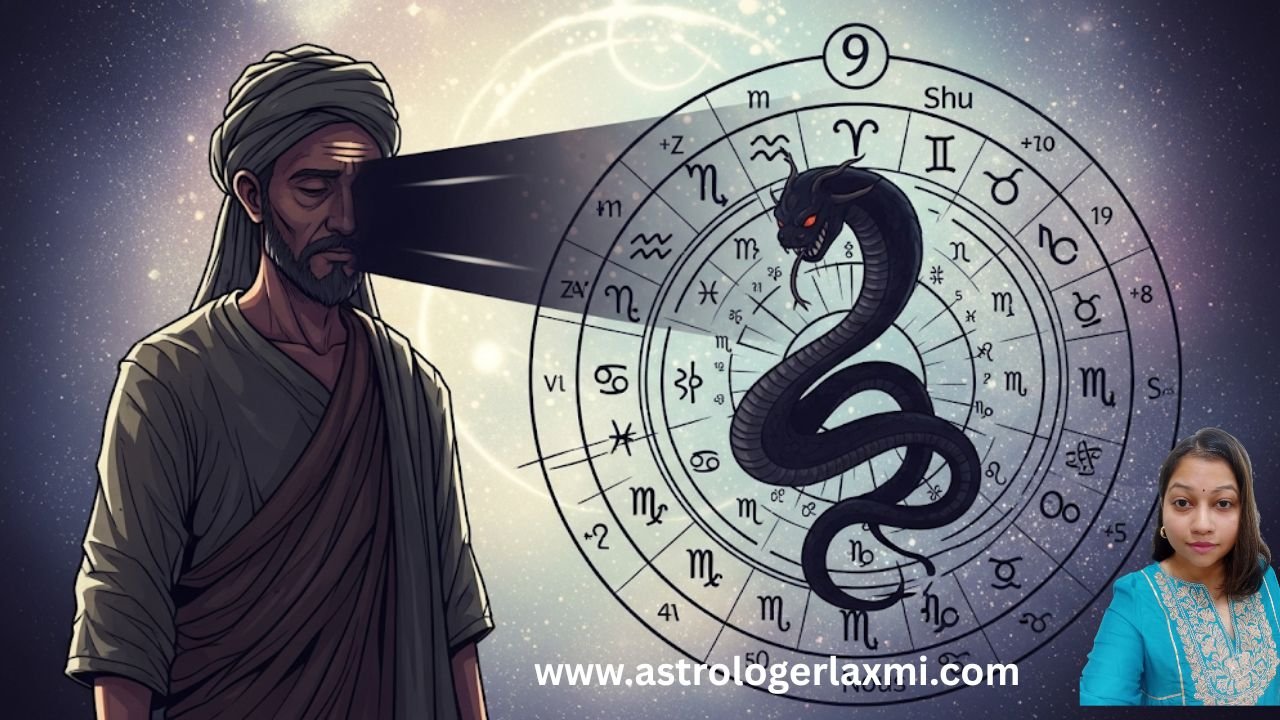
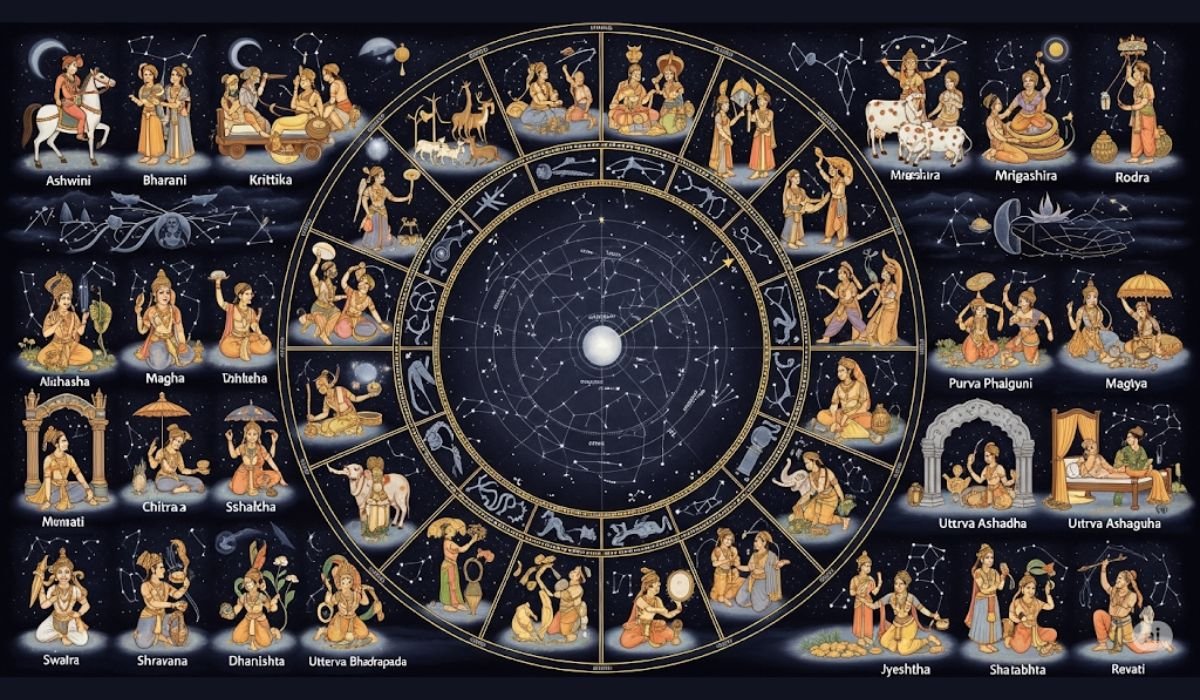
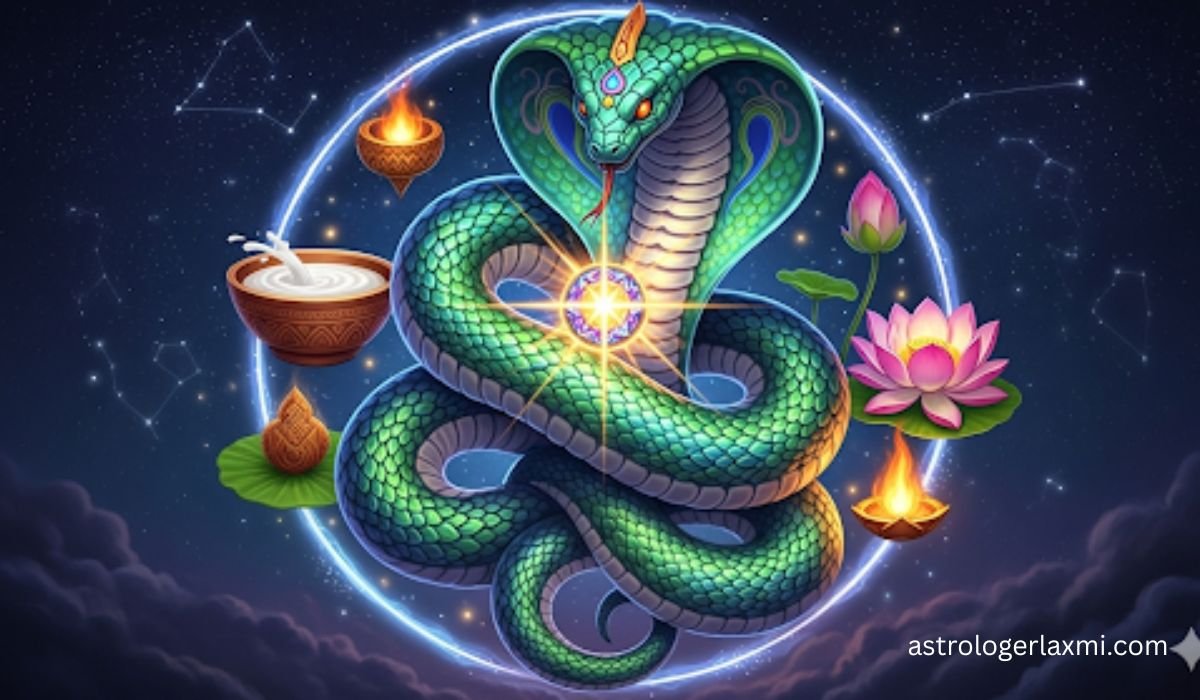
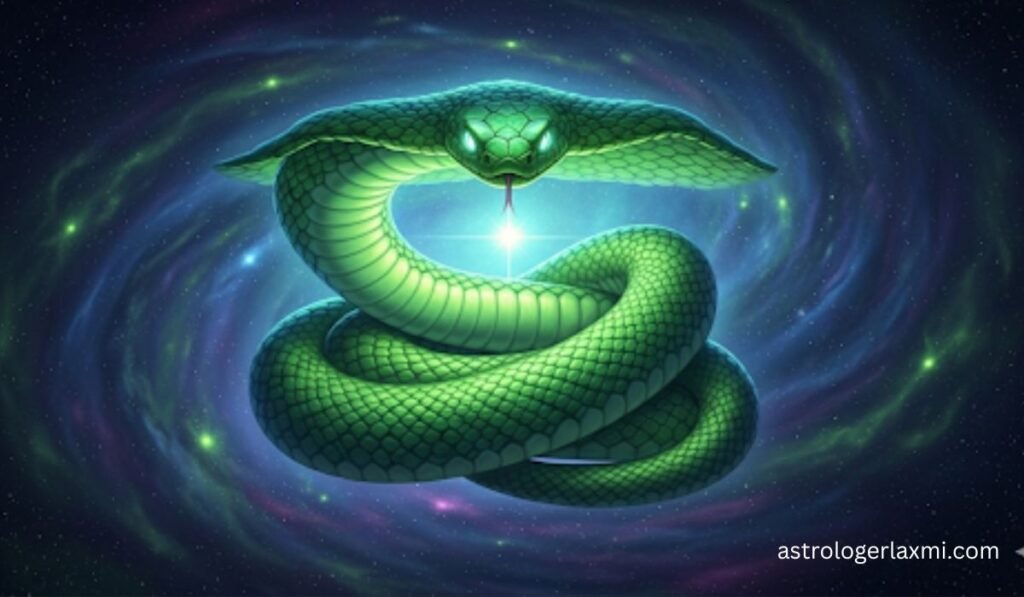
Ashlesha Nakshatra is the ninth lunar mansion in Vedic astrology. It falls under the zodiac sign of Cancer (from 16°40′ to 30° Cancer). The ruling planet is Mercury, and the symbol of this Nakshatra is a coiled serpent. This already tells us something important: people born under Ashlesha Nakshatra often have deep, mysterious, and intense personalities.

From my own study and observation, Ashlesha natives are not the kind of people who open up quickly. They can be protective, secretive, and even a little suspicious at times. But they are also wise, sharp, and capable of great transformation. The serpent energy is about both healing and hidden power.

General Traits of People Born in Ashlesha

I have personally met people born under Ashlesha Nakshatra, and one thing I can say for sure is that they are not “bad people” at all. Instead, they are often misunderstood. Let’s look at some of their common traits:

  • Intelligent and Observant: They notice small details that others usually miss.
  • Emotional Depth: Because they are in the sign of Cancer, their emotions run deep. They may not show everything on the surface, but they feel strongly.
  • Protective Nature: Just like a serpent protecting itself, they are very protective of their loved ones and themselves.
  • Mysterious Aura: Others may sometimes feel they are secretive or hard to understand.
  • Healing Energy: Ashlesha natives can also be healers, counselors, or guides.

So, you see, their qualities are a mix of light and shadow. That is why they are sometimes considered challenging in relationships.

Why Do People Think Ashlesha Nakshatra Is Bad for Mother-in-Law?
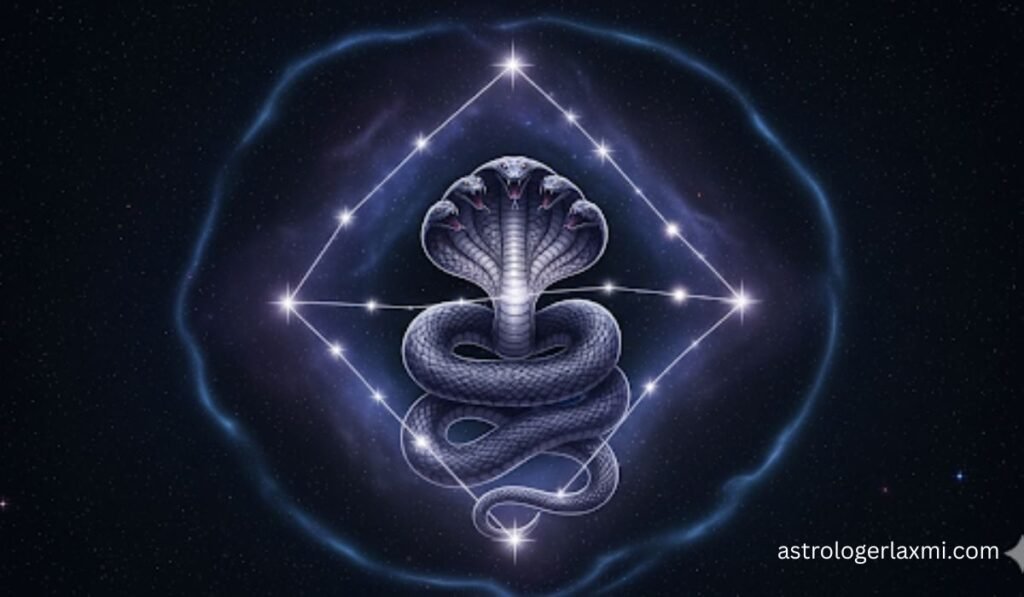
Why Do People Think Ashlesha Nakshatra Is Bad for Mother-in-Law

This is where the real question comes in. I have heard elders say things like “Ashlesha Nakshatra girl will bring problems for her mother-in-law.” But is this really true? Let’s break it down.

Traditionally, people believed that Ashlesha natives have a strong and dominant personality. They don’t like being controlled. On the other hand, in many families, a mother-in-law is seen as the authority figure. So naturally, there could be clashes.

Another reason is that Ashlesha is ruled by Mercury but is placed in Cancer, which is ruled by the Moon. This creates a mix of logic and emotions. Sometimes, this mix can cause misunderstandings. A mother-in-law may feel that the daughter-in-law is too sharp with words, or too private, or even unpredictable.

But I feel this belief is exaggerated. Not every Ashlesha native will clash with their mother-in-law. Relationships depend on maturity, respect, and understanding—not just Nakshatra placements.

My Personal View on Ashlesha Nakshatra and In-Laws

From my personal observation, I think the root of this belief is fear. Astrology has many myths, and sometimes these myths grow bigger than the truth. I know Ashlesha-born women who have very loving and peaceful relationships with their in-laws. I also know women from other Nakshatras who face many problems.

What matters more is the overall horoscope, the placement of planets, and the mindset of both the daughter-in-law and the mother-in-law. Ashlesha alone cannot decide the whole relationship.

Positive Qualities That Can Help in Family Relationships

Positive Qualities That Can Help in Family Relationships

If you are born under Ashlesha Nakshatra, you should not feel scared or negative. In fact, you have many strengths that can help you maintain harmony with your mother-in-law:

  • Wisdom in Handling Situations: Your intelligence helps you stay one step ahead in family matters.
  • Emotional Sensitivity: You can understand what others are feeling, even if they don’t say it directly.
  • Protective Love: When you love your family, you protect them fiercely. This can create a strong bond.
  • Ability to Heal Conflicts: You have the power to heal emotional wounds if you choose patience and kindness.

Common Challenges in the Relationship

Of course, challenges may still come. From what I have seen, the main issues that sometimes arise between Ashlesha natives and mothers-in-law are:

  1. Control Issues: Both may want to have the upper hand in decision-making.
  2. Miscommunication: Ashlesha people can be secretive, which may look like dishonesty to others.
  3. Over-Sensitivity: Small comments may hurt them deeply, and they may take things personally.
  4. Different Expectations: A traditional mother-in-law may expect obedience, while Ashlesha natives value independence.

But again, these are not permanent problems. They can be worked out with understanding.

Astrological Remedies and Suggestions

If you or someone you know is born under Ashlesha Nakshatra and worried about the mother-in-law relationship, there are many remedies in astrology that can help balance energies:

  • Worship Lord Subramanya (Kartikeya): He is associated with serpent energy and helps reduce negative effects.
  • Chanting Mercury Mantras: Since Mercury is the ruling planet, mantras like “Om Budhaya Namah” can bring peace.
  • Charity on Wednesdays: Donating green clothes or items on Wednesdays can help.
  • Building Trust: More than remedies, the effort to build trust with your mother-in-law will bring real change.

A Balanced Outlook

I personally believe we should not label any Nakshatra as “bad.” Every Nakshatra has its own lessons, challenges, and gifts. Ashlesha may bring intensity, but it also brings wisdom and emotional strength. Instead of fearing it, we should learn how to use its power in positive ways.

If you are an Ashlesha native, don’t let old myths make you feel guilty or worried about your family relationships. Remember, your actions, kindness, and patience matter more than any star placement.

Conclusion

So, is Ashlesha Nakshatra bad for mother-in-law? My answer is No. It is not “bad.” It is simply unique, intense, and sometimes challenging. Like any relationship, the bond between a mother-in-law and daughter-in-law depends on mutual respect and love. Astrology can show tendencies, but it cannot control our choices.

From my personal touch, I would say: if you are born in Ashlesha, embrace your strengths and be aware of your weaknesses. Use your intelligence and sensitivity to build a warm relationship with your mother-in-law. Don’t let fear of astrology spoil your happiness.

At the end of the day, relationships are built with love, not just stars. And I truly believe Ashlesha natives have the heart and wisdom to make their family bonds strong and beautiful.

FAQs

Q1. Is Ashlesha Nakshatra really bad for the mother-in-law?


Not at all. This is a common myth. People born under Ashlesha Nakshatra are intelligent, sensitive, and protective. Yes, they may sometimes clash due to strong personalities, but with understanding, the relationship can be very loving.

Q2. Why do some people say Ashlesha Nakshatra girls bring problems to in-laws?


This belief comes from old traditions and misunderstandings. Ashlesha natives are independent and not easy to control. In families where mothers-in-law expect obedience, this independence may look like a problem. But in truth, it is just a personality difference.

Q3. Can an Ashlesha-born daughter-in-law have a good relationship with her mother-in-law?


Yes, absolutely. Many Ashlesha natives share warm and respectful bonds with their in-laws. The key is patience, open communication, and emotional understanding. Astrology only shows tendencies, not fixed outcomes.

Q4. What remedies can help Ashlesha natives reduce negativity in relationships?


Some helpful remedies are worshipping Lord Subramanya (Kartikeya), chanting Mercury mantras (Om Budhaya Namah), donating on Wednesdays, and practicing patience in family life. But the most powerful remedy is kindness and respect.

Q5. Is Ashlesha Nakshatra good for marriage?


Yes, Ashlesha natives can have successful marriages. They are deeply loyal and protective of their partners. However, they need partners who understand their emotional depth and respect their independence.

Q6. Which Nakshatras are most compatible with Ashlesha?


Astrologers generally suggest that Nakshatras like Pushya, Anuradha, and Jyeshtha match well with Ashlesha. But actual compatibility depends on the full horoscope, not just Nakshatra.

Q7. Should families worry if the bride is born in Ashlesha Nakshatra?


No, families should not worry. Every Nakshatra has both strengths and challenges. Instead of fearing myths, families should focus on the individual’s qualities, values, and the overall compatibility shown in both horoscopes.

Q8. What is the most important advice for an Ashlesha-born person about in-law relationships?


The best advice is to stay patient, avoid overreacting, and communicate openly. Using your natural wisdom and emotional sensitivity, you can turn even a difficult relationship into a peaceful and supportive one.
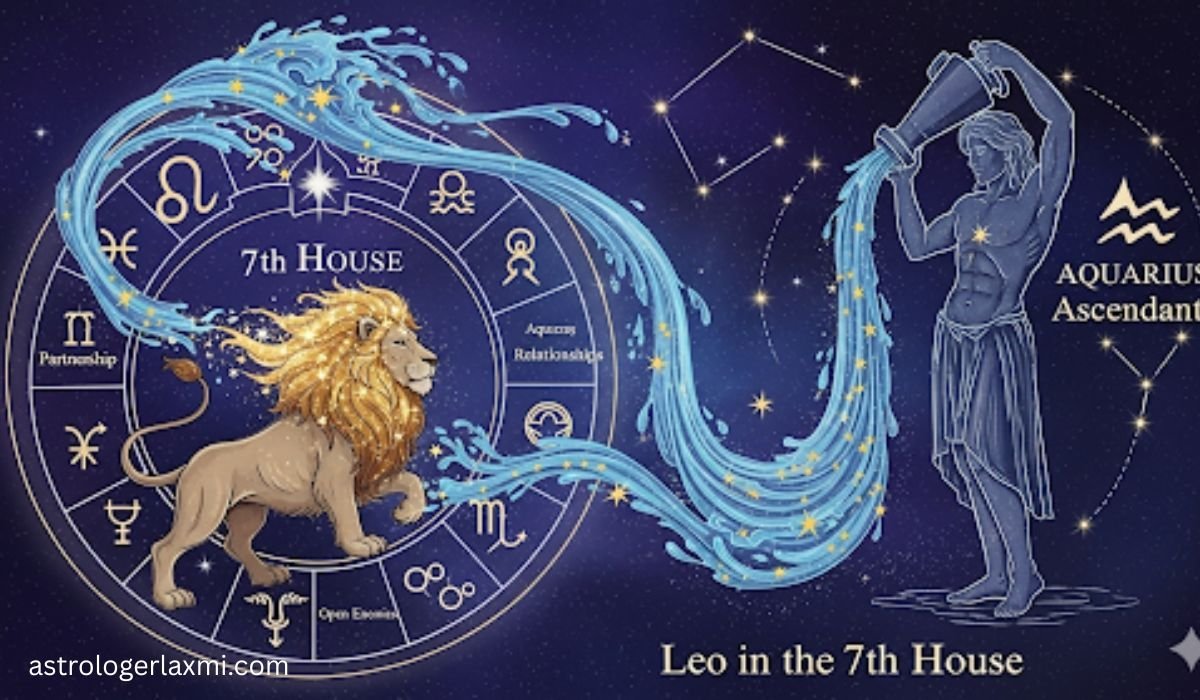
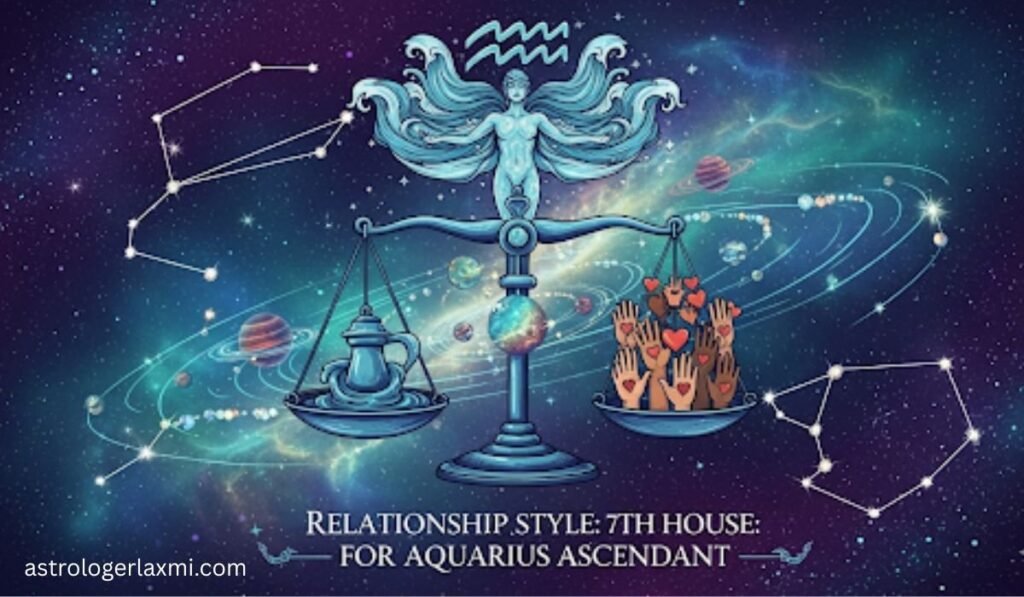
Leo in the 7th House for Aquarius Ascendant

Leo in the 7th House for Aquarius Ascendant

Astrology is a beautiful way to understand our personality, relationships, and life patterns. When we look at the ascendant sign and the position of planets or zodiac signs in different houses, we get deeper insights about our strengths, challenges, and unique traits.

For someone with Aquarius ascendant, the 7th house of relationships, marriage, and partnerships falls in Leo. This placement creates a very interesting dynamic between the independent and humanitarian qualities of Aquarius and the bold, expressive, and fiery qualities of Leo.

In this blog post, I will share in detail what it means to have Leo in the 7th house for Aquarius ascendant, how it shapes marriage, partnerships, love life, professional collaborations, and personal growth. I will keep the tone simple, clear, and personal so you can connect with it easily.

Understanding the Basics

  • Ascendant (Aquarius): The ascendant is the rising sign at the time of birth. Aquarius ascendant people are progressive, freedom-loving, independent, and often forward-thinking. They value originality, innovation, and humanitarian causes. They like space in relationships and usually avoid traditional or controlling patterns.
  • 7th House: The 7th house in astrology represents marriage, partnerships, contracts, and how we connect with others on a one-to-one level. It shows the kind of partner we attract and how we behave in close relationships.
  • Leo Sign: Leo is ruled by the Sun. It is bold, expressive, dramatic, warm, and creative. It wants recognition, respect, and love. Leo thrives on attention and loyalty.

So when Leo occupies the 7th house for Aquarius ascendant, it blends the cool, airy, and independent Aquarius personality with the fiery, passionate, and attention-loving qualities of Leo in relationships.

Relationship Style

Aquarius ascendant people usually do not like being tied down, but with Leo in the 7th house, they crave a partner who is confident, bold, and able to command attention.

  • They are attracted to strong personalities.
  • They want a partner who is loyal, expressive, and proud.
  • They may find themselves drawn to people who shine in social settings or who are leaders in some way.

At times, this placement can bring power struggles. Aquarius ascendant wants freedom and independence, while Leo in the 7th house partner wants devotion and admiration. Balancing these needs is the key.

From my personal understanding, this dynamic often feels like a dance between independence and connection. You want to run into the world with your unique ideas, but your heart craves someone who can shine bright and stand proudly beside you.

Marriage and Long-Term Partnerships

Marriage and Long-Term Partnerships

Marriage for Aquarius ascendant with Leo in the 7th house is never dull. The partner is often magnetic, expressive, and sometimes dramatic. Such a person can be the center of attention in social gatherings.

  • Positive Side: The partner brings warmth, loyalty, and strength. They can help the Aquarius ascendant open up emotionally and express love more openly.
  • Challenging Side: The partner may sometimes demand too much attention or admiration, which could feel suffocating to the freedom-loving Aquarius ascendant.

Marriage life often requires compromise. The Aquarius ascendant must learn to give more appreciation and recognition to their partner, while the Leo partner must respect the individuality and freedom of Aquarius.

Professional Partnerships

Professional Partnerships

The 7th house also deals with business and professional partnerships. With Leo here, Aquarius ascendant people may attract strong, influential, or authoritative partners in their career.

  • They may do well in collaborations where the partner has leadership skills.
  • The partnership works best when Aquarius brings innovation and ideas, while the Leo partner brings confidence and presentation skills.
  • There is a potential for ego clashes, but if handled wisely, the partnership can be very successful.

In my view, this combination is like having one person designing the blueprint of a project (Aquarius) and the other standing on stage presenting it with flair (Leo). Together, they can create a strong impact.

Love and Romance

When it comes to love, Leo in the 7th house brings passion, drama, and intensity. Aquarius ascendant people may feel deeply attracted to romantic gestures, grand expressions of love, and partners who treat them like someone special.

  • They enjoy partners who are playful, confident, and warm-hearted.
  • At times, they may feel overwhelmed by the intensity of Leo’s attention.
  • Balance comes when Aquarius learns to accept love openly and Leo learns to give space.

I find this combination to be both exciting and challenging. Love feels like a firework display—bright, colorful, and full of energy. But sometimes, the firework can get too loud, and that’s when Aquarius needs to step back and breathe.

Ego and Power Dynamics

One of the main lessons of this placement is learning how to handle ego and power in relationships.

  • The Leo partner may want recognition and admiration.
  • The Aquarius ascendant values equality, independence, and free expression.
  • Conflicts arise when one dominates the other.

The secret is mutual respect. If Aquarius ascendant learns to genuinely admire their partner’s strengths, and Leo learns to appreciate Aquarius’s individuality, the relationship flourishes.

Emotional Growth

Aquarius is an air sign, often more logical and detached. With Leo in the 7th house, relationships become a way for Aquarius ascendant to learn emotional warmth and expression.

  • They learn to appreciate love, loyalty, and affection.
  • They become more open to emotional intimacy.
  • They also learn how to balance independence with closeness.

This placement teaches Aquarius that love is not just about ideas and freedom it is also about passion, loyalty, and the courage to express affection openly.

Challenges of This Placement

Like every astrological placement, Leo in the 7th house for Aquarius ascendant has its challenges:

  1. Power Struggles: The partner may want to dominate, while Aquarius resists control.
  2. Attention Needs: The Leo partner may constantly need admiration, which can feel demanding.
  3. Freedom vs. Commitment: Aquarius loves freedom, Leo demands loyalty and focus. Balancing these is a lifelong lesson.
  4. Emotional Expression: Aquarius ascendant may struggle to show emotions, while Leo expects open and dramatic love expressions.

Positive Strengths

But this placement also has many strengths that can bring joy and growth:

  1. Dynamic Relationships: Life with a Leo partner is exciting, warm, and passionate.
  2. Balance of Qualities: Aquarius brings innovation, Leo brings warmth together they create a strong bond.
  3. Mutual Growth: Each learns valuable lessons from the other. Aquarius learns warmth and expression, Leo learns tolerance and respect for individuality.
  4. Leadership Partnerships: In business or marriage, this combination often attracts powerful and influential connections.

Leo in the 7th House for Aquarius Ascendant – At a Glance

AspectEffect
Relationship StyleAttracted to bold, confident, loyal, and dramatic partners
Marriage LifePassionate, warm, sometimes dramatic; needs balance of freedom & loyalty
Partner TraitsCharismatic, expressive, proud, leadership qualities
StrengthsDynamic relationships, loyalty, emotional warmth, powerful partnerships
ChallengesEgo clashes, partner’s demand for attention, balancing independence & commitment
Love & RomanceExciting, full of passion and grand gestures, but can feel overwhelming
Professional PartnershipsWorks well with strong leaders; Aquarius brings ideas, Leo brings confidence
Life LessonLearning to balance individuality with admiration, freedom with closeness

Personal Touch

From my own exploration of astrology, I find this placement very fascinating. Aquarius is like the free-spirited thinker who looks toward the future, while Leo is the shining star who wants to be admired in the present.

When these two energies meet in relationships, it feels like opposites attracting. The relationship may not always be smooth, but it is full of learning, growth, and excitement. I have seen people with this placement who enjoy marriages full of drama, passion, and fun while also facing moments of tension. But in the end, the relationship helps both partners evolve.

Conclusion

Having Leo in the 7th house for Aquarius ascendant creates relationships full of warmth, passion, and learning. While Aquarius ascendant values independence and freedom, Leo in the 7th house brings partners who are confident, expressive, and sometimes demanding of attention.

The key lessons of this placement are about balancing freedom with loyalty, independence with love, and individuality with admiration. Relationships may come with challenges, but they also bring growth, emotional warmth, and deep personal transformation.

In my opinion, this placement is like a powerful fire meeting a free-flowing breeze. Sometimes the fire gets too big, sometimes the breeze feels restricted but together, they create a flame that can light up the world.

FAQs

Q1: What does Leo in the 7th house mean for Aquarius ascendant?


For Aquarius ascendant, Leo in the 7th house means they attract partners who are bold, expressive, and confident. Relationships are often passionate but may include power struggles between independence and loyalty.

Q2: How is marriage life for Aquarius ascendant with Leo in the 7th house?


Marriage tends to be dynamic, full of warmth, love, and sometimes drama. The partner often seeks attention and recognition, while the Aquarius person values freedom. Mutual respect and compromise are needed for a happy married life.

Q3: Is Leo in the 7th house good for business partnerships?


Yes, it can be very good. Aquarius ascendant brings innovation and ideas, while the Leo partner adds leadership and presentation skills. Together, they can succeed, but they must watch out for ego clashes.

Q4: Do Aquarius ascendant people with Leo in the 7th house face relationship challenges?


Yes, challenges include ego conflicts, demands for attention, and balancing freedom with loyalty. But if both partners learn respect and appreciation, these relationships become strong and fulfilling.

Q5: What kind of partner does Aquarius ascendant attract with Leo in the 7th house?


They usually attract partners who are charismatic, strong-willed, dramatic, and loyal. The partner may enjoy being admired and may like to lead in the relationship.

Q6: How can Aquarius ascendant people balance Leo energy in relationships?


They can balance it by giving genuine admiration to their partner while also setting healthy boundaries for their independence. Clear communication and mutual respect are the keys.

Q7: Is Leo in the 7th house considered lucky?


Yes, it can be lucky, especially for attracting loyal and influential partners. However, the true success of this placement depends on how both partners handle ego, freedom, and emotional expression.

Venus in Cancer and Venus in Aquarius Compatibility

Venus in Cancer and Venus in Aquarius Compatibility

Venus in Cancer and Venus in Aquarius Compatibility: When it comes to love and relationships, Venus signs play a huge role in how two people connect. Venus shows how we give and receive love, what we value in relationships, and the way we express affection. When Venus is in different signs, it creates unique love languages that sometimes blend beautifully and other times create challenges.

Today, let’s explore Venus in Cancer and Venus in Aquarius compatibility. These two signs might seem very different at first glance Cancer is sensitive, emotional, and nurturing, while Aquarius is free-spirited, independent, and future-oriented. But sometimes, opposites attract in surprising ways. In this blog, I’ll break down their strengths, challenges, and how they can make a relationship work. Venus in Aquarius is an invitation to break complex boundaries.

Understanding Venus in Cancer

Venus in Cancer and Venus in Aquarius Compatibility

Venus in Cancer is all about love that feels safe, warm, and comforting. People with this placement are emotional, caring, and protective of their loved ones. They love deeply and want to create a strong emotional bond in their relationships.

They enjoy cozy nights at home, meaningful conversations, and shared memories. For them, love is not just about passion it’s about security and emotional closeness. If you’re dating someone with Venus in Cancer, you’ll likely notice their strong need for affection, loyalty, and reassurance.

In short, Venus in Cancer wants a partner who feels like family a safe place where they can be their true self.

Understanding Venus in Aquarius

Venus in Aquarius, on the other hand, is very different. This placement is about love that is exciting, unique, and a little unconventional. People with Venus in Aquarius value freedom and individuality in relationships. They love exploring new ideas, meeting interesting people, and sharing a connection that feels different from the usual.

They are not usually clingy or overly emotional. Instead, they like relationships that feel like a friendship first. For them, love means respecting each other’s independence while still sharing adventures and new experiences.

If you’re dating someone with Venus in Aquarius, expect surprises, open-mindedness, and sometimes a little unpredictability.

First Impressions Between the Two

When Venus in Cancer and Venus in Aquarius meet, they might feel intrigued but also confused. Cancer is drawn to the uniqueness of Aquarius, while Aquarius admires Cancer’s depth and emotional warmth.

At first, Cancer may feel like Aquarius is exciting and fresh a different kind of partner who brings something new to their world. Aquarius may find Cancer’s sensitivity fascinating, almost like entering an emotional world they don’t usually visit.

However, as the relationship deepens, their differences become more noticeable. Cancer craves closeness and emotional security, while Aquarius wants space and freedom. This can lead to misunderstandings unless both are willing to adjust.

Emotional Connection

This is where the biggest challenge lies. Venus in Cancer wears their heart on their sleeve. They want to feel loved, needed, and emotionally safe. Aquarius, however, can seem distant or detached at times, even if they truly care.

Cancer might feel hurt if Aquarius doesn’t express love in a traditional way, like through affection or constant reassurance. Aquarius, meanwhile, might feel pressured if Cancer expects too much closeness or emotional intensity.

For this relationship to work, both need to find a middle ground. Cancer should learn to give Aquarius the space they need, while Aquarius must try to express affection in ways that make Cancer feel secure.

Communication Styles

Venus in Cancer communicates through feelings. They may not always be direct but will often show love through caring gestures, emotional honesty, and nurturing words.

Venus in Aquarius, on the other hand, communicates in a more logical and open-minded way. They love discussing big ideas, dreams for the future, and unconventional topics.

This difference can sometimes cause friction. Cancer may feel Aquarius isn’t “serious” enough about their feelings, while Aquarius might think Cancer is too sensitive or emotional.

But if they embrace each other’s styles, this mix can actually be beautiful. Cancer can help Aquarius connect more deeply with their emotions, and Aquarius can teach Cancer to see things from a broader, more rational perspective.

Love and Romance

In romance, Cancer prefers intimacy, sweet gestures, and traditional displays of love. They love cuddling, cooking together, and spending quiet time as a couple.

Aquarius is more adventurous and experimental in love. They enjoy trying new things, breaking routines, and keeping the relationship exciting.

Sometimes, this difference can cause tension. Cancer may feel Aquarius is too unpredictable, while Aquarius might see Cancer as too traditional or clingy.

But when they balance each other out, it can be magical. Cancer teaches Aquarius the beauty of emotional intimacy, while Aquarius shows Cancer how love can be playful, adventurous, and liberating.

Social Life and Values

Cancer values home, family, and emotional traditions. They love creating a stable environment and may prefer small gatherings with close friends or family.

Aquarius is very social and often drawn to larger groups, social causes, and unusual communities. They value freedom, independence, and new experiences.

This difference can be tricky. Cancer may feel left out if Aquarius spends too much time exploring the outside world, while Aquarius may feel limited if Cancer prefers staying home too often.

A healthy balance is key here maybe enjoying quiet nights together sometimes and also stepping out into Aquarius’s adventurous social world.

Trust and Loyalty

Trust and Loyalty

Cancer needs loyalty, consistency, and emotional reassurance. Aquarius needs trust, freedom, and space.

If Cancer becomes too controlling or needy, Aquarius might feel trapped. If Aquarius becomes too distant, Cancer may feel unloved or insecure.

For trust to grow, both must respect each other’s needs. Cancer should avoid smothering, and Aquarius should avoid being too detached. Open communication and compromise are essential.

Long-Term Potential

The long-term potential between Venus in Cancer and Venus in Aquarius depends on how much both are willing to adapt. This relationship is not the easiest, but it can be rewarding if both partners grow from each other’s differences.

Cancer offers warmth, loyalty, and emotional depth, which can soften Aquarius’s detachment. Aquarius offers excitement, independence, and open-mindedness, which can help Cancer grow beyond their comfort zone.

Together, they can create a bond that is both emotionally rich and refreshingly unique—if they embrace, rather than resist, their differences.

Tips for Making It Work

  1. For Cancer: Give Aquarius the space they need. Don’t take their independence as a lack of love.
  2. For Aquarius: Show Cancer consistent love and reassurance. Small gestures go a long way.
  3. For Both: Find shared activities that mix homey comfort with adventure.
  4. Balance: Respect each other’s values Cancer’s need for security and Aquarius’s need for freedom.
  5. Patience: Remember that love languages are different. Learning each other’s takes time.

Venus in Cancer and Venus in Aquarius Compatibility Chart

AspectVenus in Cancer Venus in Aquarius Compatibility Insight
Love StyleEmotional, nurturing, seeks securityFree-spirited, experimental, values independenceNeeds balance between closeness and freedom
Emotional NeedsDeep emotional connection, reassuranceSpace, intellectual stimulationCancer may feel needy; Aquarius may feel pressured
Romantic ApproachTraditional, sweet, affectionateAdventurous, playful, unconventionalCan learn new love languages from each other
CommunicationExpressive, caring, sometimes indirectLogical, open-minded, detached at timesMay misunderstand, but can complement each other
Social LifePrefers home, family, close friendsEnjoys groups, causes, new experiencesNeed compromise between cozy nights and social outings
ValuesLoyalty, stability, emotional bondsFreedom, individuality, progressVery different, but can respect each other’s priorities
ChallengesOver-sensitivity, clinginessDetachment, unpredictabilityRisk of misunderstanding if not handled with patience
Strengths TogetherWarmth, loyalty, emotional depthExcitement, originality, broad visionA unique blend of heart and mind if they adapt
Long-Term PotentialWants lifelong commitment, stabilityWants growth, freedom, and friendshipWorks if both give and take equally

Personal Thoughts

From my perspective, Venus in Cancer and Venus in Aquarius is one of those combinations where patience and understanding are everything. I’ve seen people with these placements feel frustrated at first because they don’t always “speak the same language” in love.

But what makes this pairing special is how much they can learn from each other. Cancer teaches Aquarius that love is not just about fun and freedom it’s also about emotional connection and care. Aquarius shows Cancer that love can also mean giving each other room to grow and explore.

I personally believe that while this relationship may take extra effort, it has the potential to be deeply rewarding. It’s not about changing who you are, but about blending two very different worlds into one.
Conclusion

Venus in Cancer and Venus in Aquarius compatibility may not be the smoothest match, but it is far from impossible. Yes, Cancer wants closeness, and Aquarius needs freedom, but if they respect and understand each other’s differences, they can create a relationship that is both secure and exciting.

In the end, love between these two is about learning balance. Cancer brings warmth and emotional depth, while Aquarius brings adventure and originality. Together, they can create a love story that’s unique, challenging, and ultimately unforgettable.

FAQs

Q1: Are Venus in Cancer and Venus in Aquarius soulmates?


Not always. This pairing is more about growth than instant harmony. They have very different love languages, but if both partners are patient, they can build a strong and unique bond.

Q2: What attracts Venus in Cancer to Venus in Aquarius?


Cancer is often intrigued by Aquarius’s originality, confidence, and open-mindedness. Aquarius brings excitement and new perspectives, which can feel refreshing for Cancer.

Q3: What attracts Venus in Aquarius to Venus in Cancer?


Aquarius is drawn to Cancer’s emotional depth, loyalty, and caring nature. Cancer offers the warmth and safety that Aquarius doesn’t usually seek but secretly appreciates.

Q4: What is the biggest challenge in this relationship?


The main challenge is balancing Cancer’s need for closeness and emotional security with Aquarius’s desire for freedom and independence. Misunderstandings can arise if these needs aren’t respected.

Q5: Can this pairing work in the long term?


Yes, but it requires compromise. Cancer must give Aquarius space, and Aquarius must give Cancer emotional reassurance. If both partners are willing to meet halfway, they can build a lasting and fulfilling relationship.

Q6: How can they improve communication?


Cancer should try to express feelings calmly without overwhelming Aquarius, while Aquarius should practice listening with empathy and not brushing off emotions. Honest but kind communication is key.

Q7: Are Venus in Cancer and Venus in Aquarius better as friends or lovers?


Sometimes, this pairing works beautifully as friends because Aquarius enjoys the loyalty and care Cancer provides, and Cancer appreciates Aquarius’s fresh outlook. As lovers, the connection can work too, but it takes more effort.

Q8: Do their differences make the relationship exciting or stressful?


Both! At first, the differences feel exciting because each person offers something new. Over time, if not managed well, those differences can feel stressful. Balance and mutual respect turn those challenges into strengths.

Q9: What zodiac signs usually get along with Venus in Cancer and Venus in Aquarius?

  • Venus in Cancer usually bonds well with Venus in Pisces, Scorpio, and Taurus.
  • Venus in Aquarius often connects with Venus in Gemini, Libra, and Sagittarius.
    But unique chemistry, like with Cancer and Aquarius, is always possible.

Q10: Is this a common pairing?


It’s not the most common or “easy” pairing, but when it happens, it often creates a relationship full of learning, growth, and unique experiences.

Uranus in the 8th House for Gemini Ascendant: A Personal Guide to Transformation

Uranus in the 8th House for Gemini Ascendant

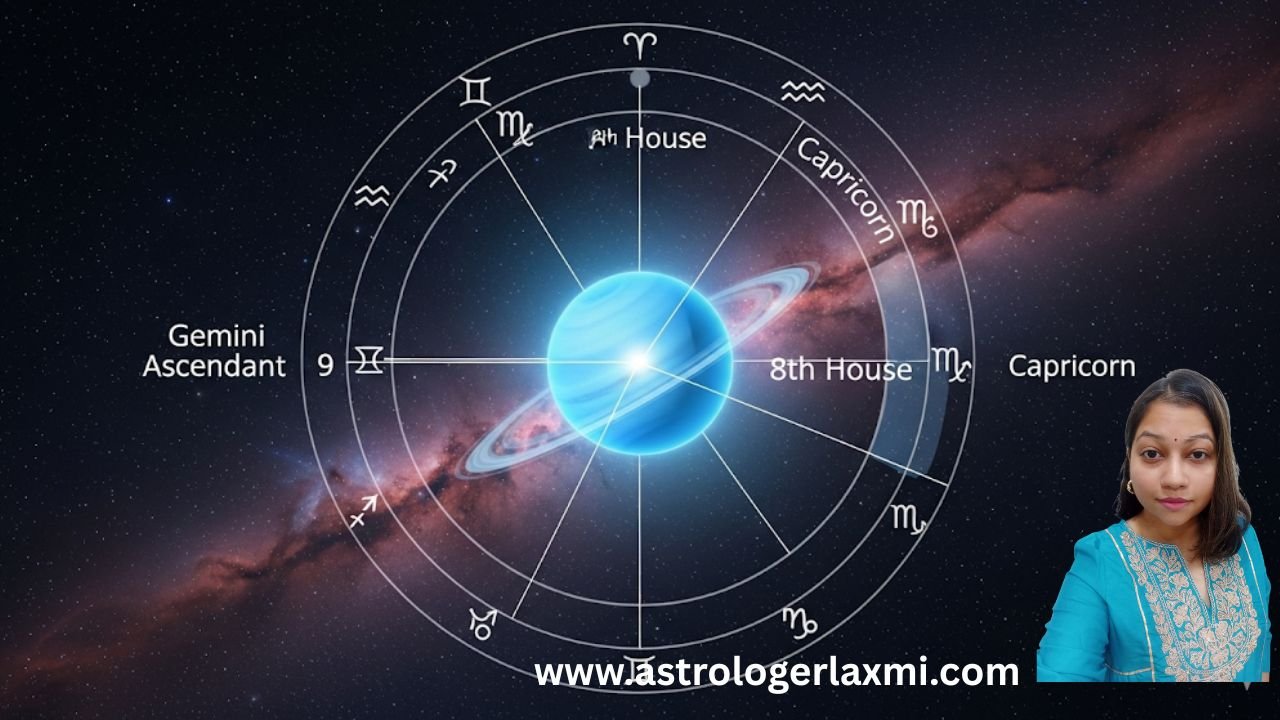
Uranus in the 8th House for Gemini Ascendant: If you’re a Gemini Ascendant, you already know that change is your middle name. You’re a natural-born communicator, curious, and always on the move. But what happens when the planet of revolution, Uranus, decides to set up shop in your 8th House? Get ready, because things are about to get real and real interesting.

The 8th House is where we go deep. It’s the house of shared resources, intimacy, transformation, and all the things we keep hidden beneath the surface. With Uranus in this part of your chart, you’re not just getting a light dusting of change; you’re getting a full-blown cosmic shake-up.

Think of it as a lightning bolt striking the deepest, most foundational parts of your life. It can be intense, but it’s also incredibly liberating.

The Cosmic Invitation to Change

The Cosmic Invitation to Change

As a Gemini rising, your default setting is to navigate the world with curiosity and a quick wit. You’re a storyteller, a networker, and a master of mental agility. But when Uranus, the great awakener, moves through your 8th House, it’s inviting you to a different kind of conversation one that’s less about the surface-level chatter and more about the profound, unseen forces at play.

This isn’t just about adapting to change; it’s about becoming the agent of your own transformation. You’re being called to break free from old emotional patterns, financial dependencies, and even your approach to intimacy. It’s a journey from the known to the unknown, and your Gemini mind is perfectly equipped to intellectualize and navigate the process, even if your emotions are a bit all over the place.

The Financial Revolution: Your Money, Your Rules

The Financial Revolution

One of the most immediate areas where you’ll feel Uranus in the 8th House is with your shared finances. The 8th House governs things like inheritances, taxes, debts, and your partner’s money. With Uranus here, you can expect the unexpected.

This could mean a sudden inheritance or a surprising financial windfall. Conversely, it could also mean an abrupt loss or a financial shock that forces you to re-evaluate your relationship with money.

This isn’t about being financially irresponsible; it’s about a radical shift in your values. You might be drawn to unconventional investments like cryptocurrency or new, experimental financial models. The traditional 9-to-5 job and retirement plan might start to feel suffocating, and you’ll be inspired to find new, innovative ways to create shared wealth.

The key is to stay flexible and adaptable. Don’t cling to old ideas of financial security, as Uranus will likely sweep them away anyway. Instead, embrace the opportunity to build a new financial foundation that aligns with your evolving sense of freedom and independence.

The Intimacy Upgrade: Redefining “We”

The Intimacy Upgrade: Redefining "We"

The 8th House is also the domain of deep emotional and sexual intimacy. For a Gemini rising, who values mental connection above all else, this placement can be a real eye-opener. Uranus in the 8th House is here to shake up your closest, most vulnerable bonds.

You might feel a sudden urge for more freedom within a partnership. Relationships that feel stifling or possessive won’t survive this transit without a major overhaul.

This is a time to experiment with new forms of emotional expression and to break free from traditional expectations about what a relationship “should” be. You might be drawn to unconventional partnerships, or you may find that the dynamics within your current relationship are radically changing.

This can be a challenging time, as it forces you to confront your deepest fears about vulnerability and control. However, it’s also an opportunity to build a level of intimacy that is truly authentic and free from emotional baggage. It’s about finding a partner who not only stimulates your mind but also honors your need for individual space and growth.

The Inner Awakening: Facing the Unseen

The Inner Awakening: Facing the Unseen

Beyond finances and relationships, Uranus in the 8th House for a Gemini rising is a profound call to inner transformation. The 8th House is a realm of death and rebirth, not always in a literal sense, but in the psychological and spiritual sense. This transit can trigger a deep-seated desire to explore the unseen, the taboo, and the mysteries of life.

You might find yourself drawn to fields like psychology, metaphysics, or the occult. Your mind, which is so adept at gathering information, will now be focused on uncovering hidden truths. This is a time for deep healing. Old traumas or emotional patterns that have been buried in your subconscious may surface, demanding to be addressed.

It’s a time to let go of what no longer serves you, to shed old skins, and to be reborn into a more authentic and empowered version of yourself. This is where your Gemini adaptability truly shines—you’re not afraid to ask questions, and you’ll use that curiosity to navigate the sometimes-uncomfortable terrain of your own psyche.

Conclusion

Uranus in the 8th House for a Gemini Ascendant is not a simple transit; it’s a profound journey of self-discovery and liberation. It will challenge your notions of security, intimacy, and personal power. You will likely experience moments of upheaval, but these are not punishments from the cosmos.

They are cosmic nudges, urging you to break free from outdated patterns and to embrace a life that is truly authentic and revolutionary.

Your Gemini nature gives you a unique advantage during this time. Your inherent curiosity and intellectual flexibility will allow you to adapt to the unexpected changes with a sense of wonder rather than fear.

Trust the process, stay open to new possibilities, and remember that every disruption is an opportunity for a breakthrough. By the time Uranus moves on, you’ll be a changed person, more liberated, more authentic, and more in tune with the deep, mysterious forces that shape your life. This is your time to transform. Embrace it.

FAQs

Q1. What does it mean if Uranus is in the 8th house for Gemini ascendant?


For Gemini ascendant, the 8th house is ruled by Capricorn (Saturn). Uranus here makes the person curious about mysteries, transformation, sudden events, and hidden knowledge. It gives an unusual or unpredictable approach to shared resources, occult sciences, and intimacy.

Q2. Is Uranus in the 8th house good or bad for Gemini ascendant?


It is mixed. On the positive side, it brings sudden gains, strong intuition, and deep interest in research, astrology, and spiritual rebirth. On the negative side, it can bring sudden losses, instability in joint finances, or unexpected transformations in life.

Q3. How does Uranus in the 8th affect money and inheritance?


It can cause sudden financial ups and downs, especially in shared wealth, business partnerships, or inheritance matters. A person may receive money suddenly, but they may also face unexpected debts or losses.

Q4. Does Uranus in the 8th house make someone spiritual?


Yes. For Gemini ascendant, Uranus here often awakens interest in occult subjects, astrology, tantra, psychology, or spiritual rebirth. The person may have unusual mystical experiences or sudden realizations about life and death.

Q5. How does it affect relationships and intimacy?


The native may have an unconventional or experimental attitude toward intimacy. Relationships can undergo sudden changes or transformation phases, which may feel unpredictable to the partner.

Q6. Can Uranus in the 8th cause health issues?


Yes, sudden or mysterious health problems may appear, especially related to chronic issues, reproductive organs, or hidden diseases. However, it also gives the power to recover quickly and adapt.

Q7. What professions are suitable with this placement?


Astrology, occult sciences, research, psychology, surgery, technology linked with finance or insurance, and innovation in dealing with hidden matters can be favorable career paths.

Q8. How does Uranus here affect the person’s mindset?


It makes the native highly curious, rebellious against traditional beliefs about death, transformation, and spirituality. They may seek deeper truths through unconventional means.

Q9. Is this placement karmic?


Yes. The 8th house is a karmic house. Uranus here suggests sudden karmic events—past life debts or lessons may come through unexpected transformations, financial ups and downs, or mystical experiences.

Q10. What is the overall effect of Uranus in the 8th house for Gemini ascendant?


It gives a life full of transformation, sudden changes, and unexpected events. The native may become deeply interested in hidden knowledge, experience unusual financial patterns, and may go through intense personal rebirths that shape their destiny.

8th House in Vedic Astrology Enemies

8th House in Vedic Astrology Enemies

8th House in Vedic Astrology Enemies: If you’ve ever dipped your toes into the vast ocean of Vedic astrology, you’ve likely heard whispers about the 8th house. It’s often spoken about in hushed tones, painted as this dark, scary closet in your astrological chart, filled with all the things we’d rather not face: death, crisis, scandals, and loss.

And while it’s true that the 8th house is a place of profound challenge, I’ve come to see it as something more a hidden cave of transformation. It’s where we face our deepest fears to unearth our greatest strengths.

One of the most intriguing, and frankly, unsettling, aspects of this house is its connection to our hidden enemies. These aren’t your typical rivals; these are the snakes in the grass, the smiling assassins. Today, I want to walk with you into this shadowy realm, not to scare you, but to empower you.

By understanding how the 8th house operates, we can learn to navigate its mysteries, protect ourselves, and ultimately, transform its challenging energy into wisdom.

What Exactly Is the 8th House?

What Exactly Is the 8th House?

Before we dive into the world of enemies, let’s get a clearer picture of the 8th house itself. In Vedic astrology, it’s known as the Ayu Bhava (House of Longevity) and also as a Dusthana (House of Difficulty). Think of it as the astrology chart’s basement. It’s where all the hidden, suppressed, and mysterious things are stored.

Its domain includes:

  • Transformation and Sudden Events: This is the house of sudden ups and downs. A sudden inheritance, a shocking revelation, an unexpected accident—these all have 8th-house energy. It represents the death of the old and the birth of the new.
  • Other People’s Money: While the 2nd house is your earned income, the 8th house governs wealth that comes from others—inheritance, insurance payouts, your spouse’s income, loans, and taxes.
  • Secrets and the Occult: This is the home of all things hidden. It governs deep research, psychology, esoteric knowledge, astrology, tantra, and all mysteries of the universe.
  • Longevity and Death: It provides clues about the length of your life and the nature of your death. But more importantly, it represents the “death” of the ego, leading to spiritual rebirth.
  • Chronic Illnesses and Scandals: It can signify long-term health issues and the kind of scandals that can tarnish one’s reputation.

The 8th house is intense because it forces us to confront the uncomfortable realities of life. It breaks us down to build us back up, stronger and more authentic than before.

The Two Arenas of Conflict: 6th House vs. 8th House Enemies

The Two Arenas of Conflict

In astrology, we have two primary houses that deal with enemies: the 6th and the 8th. Understanding their difference is key to knowing who you’re up against.

The 6th House: The Open Battlefield

The 6th house is called the Ripu Bhava, or the house of open enemies. These are the rivals you know about. They are your competitors at work, the opposing lawyer in a court case, or the person you openly disagree with. The conflict is out in the open. You see them coming. It’s like a boxing match—you know who your opponent is, and you can prepare to fight them head-on with strategy and effort. These enemies challenge you, and overcoming them leads to growth and victory in the material world.

The 8th House: The Secret War

The 8th House: The Secret War

The 8th house, on the other hand, is the realm of the hidden enemy. This is a far more insidious and psychologically taxing form of enmity. These individuals operate from the shadows.

They may be the person who smiles at you every day while secretly plotting your downfall. They are the backstabbers, the conspirators, the ones who spread malicious gossip behind your name.

The motivations of an 8th-house enemy are often complex and buried deep in jealousy, resentment, or a past hurt you may not even be aware of. Their attacks are sudden, shocking, and designed to create a crisis in your life. It’s not a boxing match; it’s an ambush in the dark.

Their goal isn’t just to win; it’s often to destroy, humiliate, or cause you profound psychological pain. This is why 8th-house matters feel so draining they attack your sense of security and trust.

How Planetary Placements Shape Your Hidden Enemies

How Planetary Placements Shape Your Hidden Enemies

8th House in Vedic Astrology Enemies

The planets sitting in your 8th house, or the planet that rules your 8th house, give us powerful clues about the nature of your hidden enemies and the conflicts they might bring. Let’s look at some examples:

  • Mars in the 8th: Your hidden enemies are likely to be aggressive, impulsive, and vengeful. They may be people like siblings, former friends, or anyone with a martial nature (like police or soldiers). The enmity could erupt over property disputes, inheritance, or ego clashes. Their attacks are swift and brutal, aimed to wound you deeply.
  • Saturn in the 8th: This placement suggests enemies who are patient, persistent, and often motivated by long-held grudges, possibly stemming from past-life karma. They can be older individuals, authority figures, or people from a lower social or economic status. Their method is slow and grinding. They will wait for years for the perfect moment to create obstacles, delays, and chronic problems in your life.
  • Rahu in the 8th: Rahu is the master of illusion and deception. Hidden enemies signified by Rahu are master manipulators. They are unconventional, break taboos, and use deceit, blackmail, and scandal as their weapons. Their enmity is often sudden, shocking, and can seem to come out of nowhere. The motive is usually an obsessive desire for something you have—be it wealth, power, or knowledge.
  • Ketu in the 8th: Ketu brings a strange, detached, and often inexplicable energy. Your hidden enemies might be people you have betrayed in a past life, and their enmity feels karmic and unavoidable. Their motives can be impossible to figure out. The attacks are sudden and surgical, like a lightning strike that disappears as quickly as it came, leaving confusion and loss in its wake. They might also be spiritual or psychic attacks.
  • Sun in the 8th: This can create powerful hidden enemies in positions of authority—your boss, a government official, or even your own father. The conflict revolves around ego, power, and reputation. They will try to undermine your authority and tarnish your name in a very public way, using their influence to create scandals or block your progress.
  • Moon in the 8th: Hidden enemies here are often female and operate on an emotional level. They are masters of emotional manipulation, gossip, and creating psychological distress. They can be moody, insecure, and deeply jealous people who attack your peace of mind and emotional stability.
  • Mercury in the 8th: Your secret foes are clever, cunning, and intellectual. They use words, communication, documents, and data as their weapons. This can manifest as slander, cyberbullying, fraud, or leaking your private information. They are the smooth talkers who can twist your words and turn people against you with their sharp intellect.
  • Jupiter in the 8th: It seems counterintuitive for benevolent Jupiter to create enemies, but here they take the form of “gurus,” teachers, or respected advisors who betray your trust. They might be financial advisors who mismanage your money or respected figures who use their wisdom and influence against you. The conflict often arises from differences in ideology, beliefs, or financial matters.
  • Venus in the 8th: Hidden enemies often arise from matters of the heart or finances. A jealous ex-partner, a rival in a love triangle, or a business partner who feels cheated could work against you in secret. Their attacks are often aimed at your relationships, finances, and personal happiness, using charm and seduction as a weapon.

A Practical and Spiritual Toolkit

A Practical and Spiritual Toolkit

Knowing this isn’t about becoming paranoid; it’s about becoming prepared. The 8th house doesn’t just bring problems; it also gives you the strength to overcome them. Here’s how you can work with this energy:

Embrace Spirituality: The 8th house is the house of esoteric knowledge for a reason. Its challenges often cannot be solved on a purely material level. Building a consistent spiritual practice is your greatest shield. Chanting mantras, especially those for Lord Shiva (the ultimate transformer) or Hanuman (the remover of difficult energies), can create a powerful protective aura. Meditation helps you connect with your intuition, allowing you to sense danger before it materializes.

Practice Self-Awareness: The 8th house is a mirror. It often reflects our own hidden flaws, unresolved traumas, and secret desires. Sometimes, we attract enemies because of our own unconscious behavior. By doing the inner work through therapy, journaling, or self-reflection we can heal the parts of ourselves that are vulnerable to attack. When you clean your own inner house, enemies have less to latch onto.

Cultivate Discretion: This is perhaps the most practical 8th-house lesson. Learn to be a keeper of secrets, starting with your own. Don’t overshare your plans, your vulnerabilities, or your successes with everyone. Be discerning about who you let into your inner circle. The 8th house teaches you that not everyone who smiles at you is your friend.

Trust Your Gut: The 8th house is deeply connected to our primal instincts and intuition. If you get a bad feeling about someone, even if you can’t logically explain why, pay attention. Your intuition is your built-in radar for detecting hidden threats.

Conclusion

The 8th house, with its shadows and secrets, is undeniably one of the most challenging areas of our chart. Facing hidden enmity can leave us feeling betrayed, isolated, and powerless.

But I want to leave you with this thought: the 8th house is also the house of the phoenix. It is the fire that burns away everything that is false, weak, and inauthentic within us.

The crises it brings force us to dig deeper, to find a strength we never knew we had, and to connect with a power greater than ourselves. By facing the enemies in the shadows, we learn to master the shadows within.

We become spiritual alchemists, learning to turn the lead of pain and betrayal into the gold of wisdom, resilience, and true, unshakable inner power. Your 8th house isn’t a curse; it’s a sacred, transformative journey waiting for you to claim its power.

FAQs

Q1. What does the 8th house represent in Vedic astrology?


The 8th house is called the house of transformation. It shows hidden things, sudden events, longevity, accidents, obstacles, secrets, and also enemies who work secretly.

Q2. Is the 8th house directly related to enemies?


Not directly like the 6th house (which is the main house of enemies, diseases, and debts). But the 8th house shows hidden enemies those who act secretly, betray, or create sudden problems.

Q3. What kind of enemies are shown by the 8th house?


Enemies connected to the 8th house are often:

  • Secret rivals or backstabbers
  • People creating sudden troubles
  • Those spreading rumors or working behind the scenes

Q4. Which planets in the 8th house can make enemies stronger?

  • Rahu or Ketu in the 8th can bring hidden enemies and conspiracies.
  • Mars can cause fights, sudden attacks, or accidents due to enemies.
  • Saturn can create enemies who plan long-term problems secretly.

Q5. Does the 8th house make a person fearful of enemies?


Yes, if weak planets are placed here, it may cause fear, anxiety, or uncertainty about enemies. But strong planets here can help one defeat secret enemies with intelligence and patience.

Q6. How is the 6th house different from the 8th house in relation to enemies?

  • 6th house: Open enemies, rivals, competition, court cases.
  • 8th house: Hidden enemies, conspiracies, betrayal, sudden attacks.

Q7. Can the 8th house give protection against enemies?


Yes, if benefic planets like Jupiter, Venus, or a strong Moon are in the 8th house, the person gets hidden protection and survives enemy attacks.

Q8. What remedies are suggested if enemies trouble someone due to the 8th house?

  • Chanting mantras of protective planets (like Hanuman Chalisa for Mars, Vishnu Sahasranama for Jupiter).
  • Wearing gemstones only after proper astrological guidance.
  • Strengthening the Lagna (Ascendant) through puja, meditation, and positive lifestyle.

Is Rahu in 9th House Bad for Father: Get the Truth

Is Rahu in 9th House Bad for Father: Get the Truth

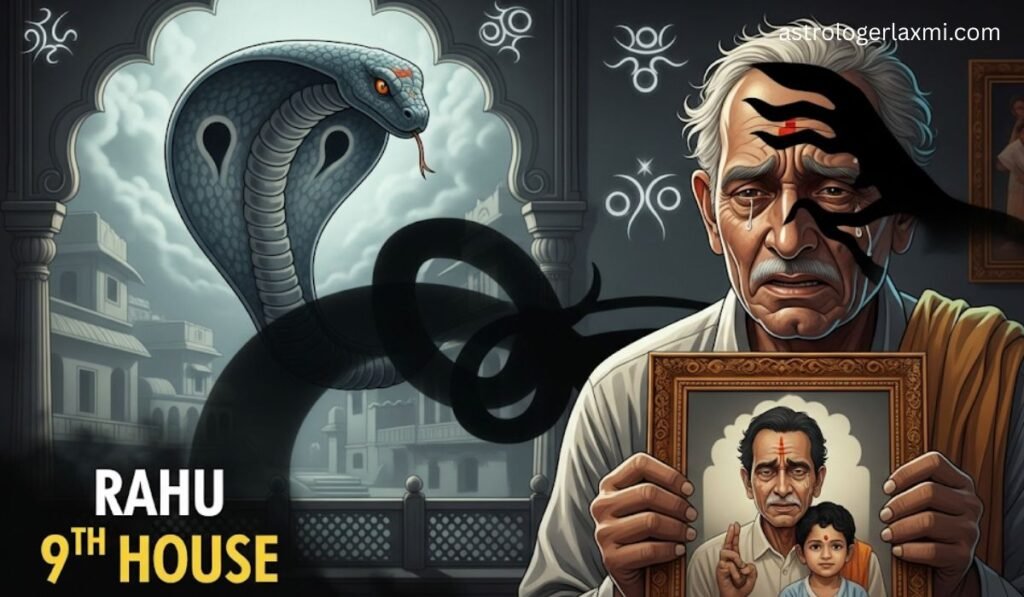
Is Rahu in 9th House Bad for Father: Astrology has always fascinated me because it connects our everyday life with the mysterious movements of planets. Each house in a horoscope represents something important, and the 9th house is especially significant.

It is linked with luck, higher learning, spirituality, long travels, and father. When Rahu, the shadowy planet of illusion and desire, sits in this house, people often get curious and even worried. A common question I hear is: “Is Rahu in the 9th house bad for father?”

In this blog, I’ll share a detailed explanation in simple words. I’ll also add a personal touch because I have met people with this placement and seen how it influenced their life and relationship with their father. We’ll explore both the challenges and the hidden blessings of this position.

Rahu in the 9th house is considered debilitated

Understanding Rahu in Astrology

Before talking about the 9th house, let’s first understand Rahu. Rahu is not a planet in the traditional sense but a shadow planet the north node of the Moon. It represents:

  • Desire, obsession, and ambition
  • Confusion, illusion, and unconventional paths
  • Sudden changes, foreign connections, and out-of-the-box thinking

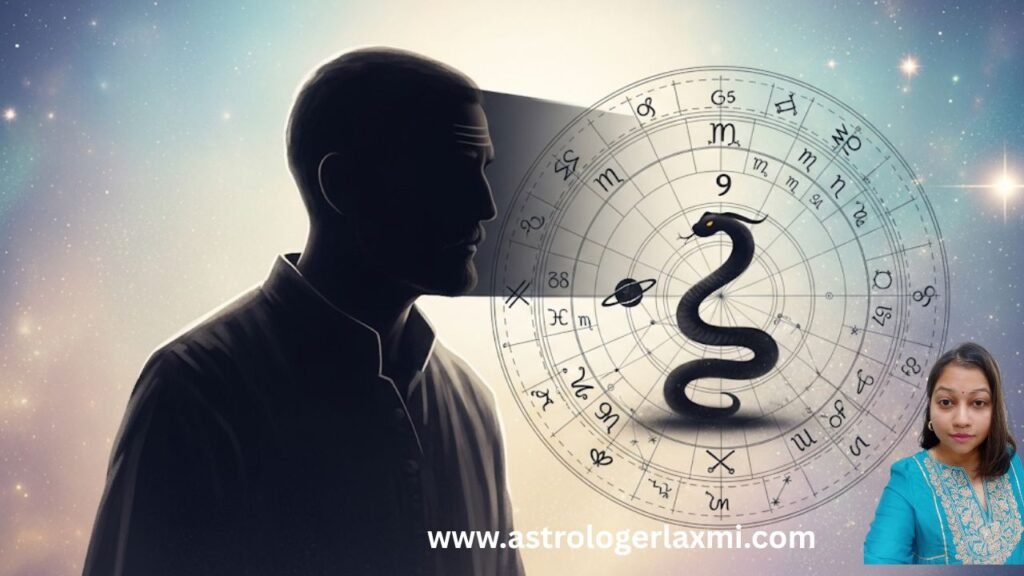
Unlike other planets, Rahu doesn’t give straightforward results. It can magnify certain areas of life, making a person chase things beyond limits. That’s why people often feel unsure about Rahu’s influence. Rahu in 9th place acts as a yog karak for the native

The Importance of the 9th House

The 9th house is considered the house of Dharma in Vedic astrology. It governs:

  • Father and fatherly figures
  • Fortune and divine blessings
  • Higher education and philosophy
  • Religion, spirituality, and moral values
  • Long journeys and pilgrimages

So naturally, when Rahu enters this house, it touches all these areas. The father-child relationship, in particular, becomes a sensitive topic here.

Rahu in the 9th House – Effects

Rahu in the 9th House – Effects

When Rahu is in the 9th house, life takes a unique direction. I have noticed that people with this placement often feel different from their family traditions. They may question their father’s beliefs or may not fully agree with family values. Sometimes, they have an urge to follow their own path, even if it goes against what their father wants.

Some common effects include:

  • Confusion about religion or family traditions
  • Desire to explore new philosophies or foreign cultures
  • Strong attraction to spirituality but in an unusual or unconventional way
  • A restless search for truth and meaning in life

Now, let’s come to the main point: how does this affect the father?

Is It Bad for Father?

Is It Bad for Father?

This is the question that worries many people. Based on real-life experiences.

Strained Relationship
Many times, Rahu in the 9th house creates distance between father and child. This distance can be emotional or physical. Some people feel misunderstood by their father. Others might live far away from him due to career, studies, or circumstances. I know someone with this placement who moved abroad very early. He respected his father but rarely agreed with his ideas. Their bond was more formal than affectionate.

Father’s Health Concerns
In some cases, the father may face health challenges, especially if other malefic planets like Saturn or Mars also influence the 9th house. Rahu can bring sudden health issues or unexpected troubles in the father’s life. I remember a friend telling me that his father had ups and downs in health whenever big Rahu periods came in his chart. This made him worry, but with remedies and care, things improved.

Father’s Fortune and Struggles
Rahu can also affect the father’s career or fortune. Sometimes, the father faces unexpected financial or professional challenges. Other times, the father might be very ambitious but struggle to find stability. However, this doesn’t always mean downfall. I have seen cases where fathers became very successful but only after taking unusual paths or facing many obstacles.

Spiritual Lessons
Interestingly, Rahu also brings spiritual lessons. The father may play a role in teaching the child about destiny and resilience. Even if the relationship is not smooth, the child learns valuable lessons about life, independence, and belief systems.

Positive Side of Rahu in the 9th House

It’s not all negative. I truly believe that every planetary position has two sides. With Rahu in the 9th house, some hidden blessings can also appear:

  • The native may gain foreign connections or opportunities through father or father-like mentors.
  • They may grow spiritually by questioning traditional beliefs and searching for their own truth.
  • They may receive sudden luck or unexpected help during important phases of life.
  • Father could have an unusual or modern outlook, which can inspire the native in unique ways.

So, while challenges exist, it’s not fair to call it purely “bad.”

Personal Stories and Observations

When I look back, I can recall several people I’ve met with this placement. Each story was different, yet there was a common thread of challenge and growth.

  • Case 1: One of my relatives had Rahu in the 9th house. His father and he always had opposite opinions. While his father was religious and traditional, he was more curious about foreign cultures and modern thinking. Their debates were endless. Yet, over time, they learned to respect each other’s choices.
  • Case 2: A close friend with this placement lost his father early in life. It was painful, but it made him very strong and independent. He often told me that even though he missed fatherly guidance, he felt his father’s blessings in unexpected ways.
  • Case 3: Another acquaintance’s father became very successful after shifting abroad. Interestingly, Rahu’s foreign element worked positively here. Though their relationship was distant, he admired his father’s determination and courage.

These stories show that Rahu’s impact varies, but it always brings a mix of lessons and opportunities.

Is Rahu in 9th House Bad for Father

Is Rahu in 9th House Bad for Father: Get the Truth
AspectPossible ChallengesPossible PositivesRemedies / Tips
Father–Child RelationshipEmotional distance, disagreements in beliefs, lack of mutual understandingFather may inspire independence and new perspectivesRespect father, seek blessings, avoid ego clashes
Father’s HealthSudden or hidden health issues, especially during Rahu periodsAwareness leads to better care and health practicesRegular check-ups, prayers, charity for health
Father’s Fortune / CareerUnexpected struggles, instability, or delays in successUnconventional success, foreign opportunities, unique career pathsSupport father, stay honest, avoid shortcuts
Spiritual & Moral BeliefsConfusion about religion, questioning family traditionsGrowth through exploring new philosophies, deeper spiritualityFollow personal spiritual practices, meditation
Native’s Fortune (Luck)Delays in higher education, long journeys, or blessingsSudden luck, foreign travel, exposure to global culturesChant Rahu mantra, respect gurus and teachers
Overall Impact on FatherCan feel stress, misunderstandings, or instabilityFather may become modern, ambitious, or inspirational in unique waysServe father/elders, charity, honesty, humility

Remedies for Rahu in the 9th House

Astrology is not about fear it’s about awareness and remedies. If someone has Rahu in the 9th house, they can try certain practices to reduce negative effects and strengthen the bond with their father.

  1. Respect Father and Elders
    Even if there are disagreements, maintaining respect can reduce karmic friction. Small gestures of care make a big difference.
  2. Charity and Service
    Donating items related to Rahu (like black sesame, blue/black clothes, blankets) on Saturdays can help. Serving fatherly figures, teachers, or mentors also brings blessings.
  3. Spiritual Practices
    Chanting Rahu mantras, meditating, or praying sincerely can balance Rahu’s energy. I have seen how such practices create peace of mind.
  4. Avoid Deception
    Since Rahu represents illusion, staying honest and avoiding shortcuts in life is very important.
  5. Seek Father’s Blessings
    Even if the relationship is not perfect, seeking blessings from father or elders can open doors of fortune.

Things to Keep in Mind

When analyzing Rahu in the 9th house, it’s important to remember:

  • Results depend on the overall chart. A strong Jupiter or Sun can reduce negative effects.
  • Rahu’s mahadasha (major period) and antardasha (sub-period) play a big role.
  • Every person’s experience is different. Some may face distance, while others may find hidden blessings.

Conclusion

So, is Rahu in the 9th house bad for father? The answer is not simple. Yes, it can bring challenges strained relationships, health issues, or struggles for the father. But it also has a positive side unconventional success, spiritual growth, and unique father-child lessons.

In my personal view, Rahu in the 9th house is like a teacher in disguise. It may test patience, beliefs, and relationships, but it also pushes people to grow beyond limits. Instead of fearing it, one should focus on remedies, respect for elders, and building inner strength.

Astrology doesn’t decide everything it guides us. Ultimately, our actions, love, and sincerity shape our bond with our father and our destiny. If you or someone you know has Rahu in the 9th house, don’t lose hope. Take it as an opportunity to learn, to connect deeply with life, and to honor your father in whatever way possible.

FAQs

Q1. Does Rahu in the 9th house always harm the father?


Not always. Rahu may bring some distance or challenges with the father, but it does not always mean harm. The overall chart, strength of Jupiter and Sun, and planetary periods matter a lot. In some cases, it can even bring success to the father through unusual ways.

Q2. Can Rahu in the 9th house cause loss of father?


In rare cases, especially if other malefic planets are also present, it can show early loss or separation from father. But this is not a fixed rule. Many people with this placement enjoy a long life with their father, though the bond may feel complicated.

Q3. Will Rahu in the 9th house always spoil the father-child relationship?


No, not necessarily. It can create differences in thinking and beliefs, but with respect and understanding, the relationship can still be positive. In fact, Rahu often teaches both father and child valuable life lessons.

Q4. What are the remedies for Rahu in the 9th house?


Some useful remedies include respecting father and elders, donating black sesame or blankets on Saturdays, chanting Rahu mantras, and staying honest in life. Simple acts like taking your father’s blessings can also reduce negative effects.

Q5. Can Rahu in the 9th house bring good results too?


Yes, absolutely. Rahu can bring foreign opportunities, unusual spiritual growth, and even sudden luck. It may take the father or the child on a unique life path that ultimately turns into a blessing.

Q6. How important is Jupiter’s role with Rahu in the 9th house?


Very important. Jupiter is the natural ruler of the 9th house. If Jupiter is strong in the chart, it can balance Rahu’s confusion and reduce problems with father and fortune.

Q7. Should I be afraid if I have Rahu in the 9th house?


Not at all. Astrology is about guidance, not fear. Rahu in the 9th house is a karmic lesson. With awareness, remedies, and respect for fatherly figures, you can turn this placement into a strength instead of a weakness.

Rohini Nakshatra Pada 1 Female Characteristics

Rohini Nakshatra Pada 1 Female Characteristics

Rohini Nakshatra Pada 1 Female Characteristics: Of course! Here is a detailed blog post on the characteristics of a Rohini Nakshatra Pada 1 female, written in a friendly, informative tone with a personal touch.

Have you ever met someone who seems to possess an enchanting blend of grace and grit? Someone who can charm you with a gentle smile one moment and inspire you with their fierce ambition the next? If so, you may have just met a woman born under the first pada of Rohini Nakshatra.

In the vast, star-studded tapestry of Vedic astrology, the Nakshatras, or lunar mansions, offer an incredibly detailed and nuanced look into our personalities. They go deeper than just our sun sign, revealing the subtle energies that shape our souls. Among the 27 Nakshatras, Rohini shines with a special kind of brilliance.

Known as the “Star of Ascent,” it is a star of beauty, creativity, and abundance. But when we dive into its first quarter, or Pada 1, we uncover a truly unique and powerful personality. This isn’t just about beauty; it’s about beauty with a purpose, charm with a direction, and creativity with a fiery spark. Let’s embark on a journey to understand the captivating world of the Rohini Pada 1 female.

The Foundation: Earth, Fire, and Celestial Blessings

The Foundation: Earth, Fire, and Celestial Blessings

To truly appreciate the Rohini Pada 1 woman, we need to understand the cosmic ingredients that make her who she is. Rohini Nakshatra itself resides entirely within the zodiac sign of Taurus, the Bull. Taurus is an earth sign ruled by Venus, the planet of love, beauty, luxury, and artistry. This gives all Rohini natives a natural appreciation for the finer things in life, a desire for stability, and a deep connection to the material world.

The deity of Rohini is Brahma, the Creator of the Universe, infusing this Nakshatra with immense creative potential and the power to grow and manifest. Its primary ruler is the Moon, which bestows emotional depth, charm, and a nurturing quality.

Now, here’s where it gets fascinating. Each Nakshatra is divided into four sections called ‘padas’. The first pada of Rohini falls in the Aries Navamsa. The Navamsa chart is a crucial divisional chart that reveals the deeper, soul-level motivations. Aries is a fire sign ruled by the dynamic and assertive planet, Mars.

So, what does this cosmic recipe create? It creates a woman who is a walking paradox in the most beautiful way. She is the embodiment of Venusian grace and Martian drive. She has the earthy stability of Taurus and the fiery initiative of Aries. She is a lover and a fighter, a creator and a leader. This unique combination of Earth and Fire is the very key to her soul.

The Core of Her Being: A Magnetic and Ambitious Spirit

The Core of Her Being

The first thing you will likely notice about a Rohini Pada 1 woman is her magnetic presence. While all Rohini natives are known for their beautiful and captivating eyes, the Mars influence in Pada 1 adds an extra spark, a dynamic fire that makes her truly unforgettable. Her charm isn’t passive; it’s active and engaging. She doesn’t just enter a room; she commands it with a warmth and confidence that is both inviting and impressive.

However, beneath this enchanting exterior lies a will of steel. This is not a woman who waits for things to happen. The Aries/Mars influence makes her a natural initiator and a born leader. She has dreams, and more importantly, she has a detailed plan and the relentless energy to pursue them.

She is ambitious and competitive, driven by a deep-seated desire to be the best at what she does. While other Rohini padas might be more content with simply enjoying life’s pleasures, the Pada 1 woman wants to create and conquer them. She is a pioneer who isn’t afraid to carve her own path, fueled by a passion that can move mountains.

This Martian energy also fuels her immense creativity, a gift from Lord Brahma. She isn’t a dreamy, passive artist. She is a creator who must see her visions take tangible form. Whether she’s an entrepreneur launching a business, a chef creating a new dish, a designer bringing a collection to life, or a leader building a team, her creativity is active, practical, and results-oriented. She needs to build, to make, and to manifest.

Love and Relationships

Love and Relationships

When it comes to matters of the heart, the Rohini Pada 1 female is a fascinating mix of romance and realism. Her Venusian and Lunar side craves a deep, romantic, and beautiful connection. She loves the classic elements of romance fine dining, beautiful gifts, heartfelt conversations, and a partner who adores her. She desires a stable, secure, and luxurious life with her beloved, a testament to her Taurus foundation.

However, her Aries/Mars fire demands a partnership of equals. She is not, and never will be, a submissive partner. She is fiercely independent and needs a partner who not only respects her ambition but is also ambitious themselves. She is attracted to power, strength, and confidence.

A weak-willed or directionless partner will quickly lose her interest. She may even take the lead in initiating and guiding the relationship, as she is not one to wait around for someone else to make the first move.

Once she commits, she is incredibly loyal, devoted, and protective. Think of her as a queen protecting her kingdom; her family and her partner are her world, and she will defend them with the ferocity of a warrior. The challenge here lies in her temperament.

The combination of Taurus stubbornness and Aries impatience can create a fiery personality. She can be quick to anger and may have a “my way or the highway” attitude at times. This can lead to power struggles in a relationship if not managed with self-awareness. She is also prone to possessiveness, a trait stemming from both Taurus’s need for security and Rohini’s deep emotional attachments.

Career and Ambition: The Creative Leader

Professionally, the Rohini Pada 1 woman is born to shine and to lead. Her career path needs to satisfy both her creative, Venusian side and her ambitious, Martian side. She will not be happy in a mundane, routine job where she can’t take initiative or express her unique vision.

She excels in leadership roles, be it as a manager, a CEO, or an entrepreneur. She has a natural ability to command respect and motivate others to follow her vision. Her fields are often connected to beauty, luxury, and creativity.

You might find her thriving in the world of fashion, cosmetics, interior design, fine arts, or gastronomy. Her impeccable taste and eye for quality make her a natural fit for anything related to luxury goods.

Furthermore, her earthy Taurus nature gives her a shrewd business sense, especially concerning tangible assets like property, agriculture, and finance. She understands the value of money and is driven to build lasting wealth and security.

She can also be a powerful and persuasive communicator, making her effective in fields like marketing, sales, and public relations, where her charm and conviction can win anyone over. She isn’t just selling a product; she’s selling a vision, a lifestyle, and a dream that she passionately believes in.

The Path of Growth: Taming the Inner Fire

Like every astrological placement, this one comes with its own set of challenges that serve as opportunities for growth. The greatest challenge for the Rohini Pada 1 woman is often managing her own powerful energy.

The Martian fire, if unchecked, can manifest as a quick temper, impatience, and aggression. Learning mindfulness, patience, and channeling this fiery energy into productive outlets like exercise or ambitious projects is a lifelong lesson.

Her strong desires and Taurus’s love for material comfort can also tip over into excessive materialism or hedonism. Finding a balance between enjoying the beautiful world she lives in and nurturing her inner, spiritual self is crucial for her long-term happiness.

In relationships, she must learn the art of compromise. Her combined Aries and Taurus nature can make her incredibly stubborn and resistant to changing her mind.

Learning to listen, to value her partner’s perspective, and to understand that vulnerability is a strength, not a weakness, will transform her relationships from battlegrounds into beautiful sanctuaries of mutual respect. Overcoming her tendencies towards possessiveness and jealousy by building deep-seated trust will be her key to a lasting, harmonious love.

Conclusion

The Rohini Nakshatra Pada 1 female is a truly remarkable soul. She is a divine blend of the earthly and the ethereal, the gentle and the powerful. She is blessed with the Venusian gift of beauty and charm, the Lunar depth of emotion, and the Martian spark of ambition and courage.

She is here to create, to build, to lead, and to experience life in its most vibrant and abundant form. Her journey is one of learning to balance her soft heart with her strong will, her desire for comfort with her thirst for conquest.

If you are a woman born under this potent star, embrace all that you are. You are the pioneer, the artist, the leader, and the lover. Your path is to build a beautiful world, not just for yourself, but for everyone you touch with your unique and fiery magic. You are, in every sense of the word, an unforgettable Creator Queen.

FAQs

Q1. How do I know if I’m a Rohini Pada 1 native?

Your Moon must be between 0°00′ and 3°20′ in the sign of Taurus in your Vedic astrology chart.

Q2. What are the main planetary influences?

The Moon (emotions), Venus (beauty, luxury), and Mars (ambition, passion).

Q3. Is this a good placement?

Yes, it is a powerful placement for leadership and success, but it requires managing a strong will and a quick temper.

Q4. What is her biggest strength?

Her magnetic charisma combined with an unstoppable drive to achieve her goals.

Q5. What is her biggest challenge?

Controlling her impatience and fiery temper, especially in personal relationships.

Q6. What makes her different from other Rohini padas?

Pada 1 is the most ambitious, action-oriented, and assertive of the four padas due to the influence of Mars.

Q7. Who is her ideal partner?

A strong, confident, and equally ambitious partner who respects her independence and isn’t intimidated by her power.

Q8. What are the best career paths for her?

Leadership roles (CEO, entrepreneur), fashion, luxury goods, design, arts, and real estate.

Q9. What are the potential health issues?

She may be prone to issues related to the head, face, throat, and thyroid, often triggered by stress.

ketu Mahadasha and Sade Sati together: A Journey Through Growth

ketu Mahadasha and Sade Sati together

ketu Mahadasha and Sade Sati together

Astrology often feels like a mysterious map of our lives. Some phases are calm, while others test our patience, strength, and understanding. Two such powerful phases are Ketu Mahadasha and Sade Sati. Experiencing them together can feel overwhelming, but it also brings deep lessons and transformation.

I remember when I first learned about these periods in astrology. The words themselves sounded heavy, and the explanations from elders felt like a warning. But as I read more and observed real experiences, I realized these are not punishments. Instead, they are opportunities for growth, self-discovery, and a new beginning.

Let’s explore what happens when Ketu Mahadasha and Sade Sati overlap, and how one can handle this journey.

What is Ketu Mahadasha?

What is Ketu Mahadasha

In Vedic astrology, each planet rules our life for a certain number of years. This period is called a Mahadasha. Ketu, the south node of the moon, rules for 7 years.

Ketu is known as a spiritual planet. It takes us away from material desires and pushes us to think about deeper truths. During this period, people may feel:

  • Detached from relationships or possessions.
  • Confused or restless without clear goals.
  • Interested in spirituality, meditation, or inner growth.

In my personal experience, I have seen friends going through Ketu Mahadasha suddenly lose interest in things they once loved. One friend quit his high-paying job and started learning yoga and astrology. At first, it felt strange, but later he found peace in that path.

What is Sade Sati?

Sade Sati is the 7.5-year period of Saturn’s transit around the moon sign in your horoscope. Saturn is often called the strict teacher. It doesn’t allow shortcuts. Instead, it teaches lessons through discipline, patience, and hard work.

This phase is divided into three parts:

  1. Rising phase – challenges begin.
  2. Peak phase – difficulties feel heavy, responsibilities increase.
  3. Setting phase – life slowly improves, lessons are absorbed.

When my uncle went through Sade Sati, he faced career struggles and family issues. But he often said later, “That was the time I learned how to stay strong without complaining.” Saturn makes us stronger, even if it feels tough in the moment.

When Ketu Mahadasha and Sade Sati Happen Together

Now imagine these two energies overlapping. On one side, Ketu asks you to detach and look inward. On the other side, Saturn demands discipline, responsibility, and patience.

During this time, people often feel:

  • Confused between spiritual goals and real-world duties.
  • Financial or career struggles that push them to rethink priorities.
  • Isolation from friends or family, leading to loneliness.
  • A deeper call to understand life’s purpose.

It can feel like walking through a storm without a clear path. But at the same time, it’s also a golden chance to build inner strength.

Challenges You May Face

  1. Emotional Struggles – Feeling disconnected or misunderstood.
  2. Career Delays – Hard work may not bring quick results.
  3. Relationship Distance – Loved ones may not understand your mindset.
  4. Health Issues – Stress or anxiety may affect physical health.

I once met a woman who faced both Ketu Mahadasha and Sade Sati together. She told me she often felt lost and empty. But by the end of the period, she had discovered a passion for social work, something she never imagined before.

Positive Lessons from This Phase

Even though it feels difficult, this combination can bring powerful lessons:

  • Spiritual Growth – Ketu opens the door to inner peace.
  • Discipline and Patience – Saturn teaches how to stay grounded.
  • Self-Discovery – You learn what truly matters in life.
  • Inner Strength – Challenges make you emotionally stronger.

Think of it like polishing a diamond. The process may be rough, but the result shines beautifully.

Tips to Handle This Period

  1. Stay Grounded – Practice meditation or journaling to calm the mind.
  2. Accept Delays – Saturn rewards patience, so don’t rush results.
  3. Focus on Health – Regular exercise and a simple diet help reduce stress.
  4. Spiritual Practices – Reading, prayer, or yoga can bring peace.
  5. Seek Support – Talking to trusted friends, mentors, or astrologers can help.

Personally, I found that writing down my thoughts during stressful times gave me clarity. It’s a small habit, but it makes a big difference.

Conclusion

Ketu Mahadasha and Sade Sati together may sound like a heavy phase of life. And yes, it is not easy. But remember, astrology is not about fear it is about awareness. When you know what energies are at play, you can prepare better.

This combination asks you to let go of unnecessary attachments (Ketu) and to face responsibilities with patience (Saturn). Together, they guide you toward maturity, wisdom, and inner strength.

If you are going through this journey, remind yourself: storms do not last forever. When they pass, the sky becomes clearer, and you see life from a deeper, more meaningful perspective.

FAQs

Q1. Is Ketu Mahadasha always bad?

No, it is not always bad. Ketu Mahadasha is about spiritual growth and detachment. While some people may feel confused or restless, others find peace, new wisdom, and a chance to explore inner strength.

Q2. How do I know if Sade Sati has started?

Sade Sati begins when Saturn enters the zodiac sign before your moon sign. For example, if your moon sign is Aries, Sade Sati will start when Saturn enters Pisces. It lasts for about 7.5 years.

Q3. Can Ketu Mahadasha and Sade Sati overlap?

Yes, it is possible. When this happens, people may experience a mix of detachment (Ketu) and responsibility (Saturn). It can feel heavy, but it also brings powerful lessons and transformation.

Q4. What remedies help during this period?

Some remedies include meditation, chanting mantras (like “Om Namah Shivaya” or Saturn’s mantra), helping the needy, and practicing patience. Simple habits like walking in nature, eating light food, and staying positive also help a lot.

Q5. Should I be scared of these periods?

Not at all. Fear makes things worse. Instead, think of these times as teachers. They may be strict, but they push you toward maturity, patience, and inner peace.

Zodiac Myths: The Story Behind Virgo

Zodiac Myths: The Story Behind Virgo

Zodiac Myths

When I first learned that Virgo is the second largest constellation in the night sky, I felt curious about how so many different cultures gave meaning to the same cluster of stars. Every time I traveled across Europe or read about its myths, I noticed how Virgo appeared in different shapes sometimes as a grieving maiden, sometimes as a goddess of justice, and at other times as the Virgin Mary herself.

What struck me most was how the constellation was not just about stars; it was about the rhythm of seasons, the hope for justice, the purity of love, and the sadness of loss. In this essay, I will explore Virgo myths in ten European countries while also sharing how I experienced them personally, whether through travel, art, or stargazing on quiet nights.

1. Greece: Persephone, Demeter, and the Eternal Cycle

Greece: Persephone

My first encounter with Virgo myths was in Athens, standing on the Acropolis one summer night. The stars above seemed brighter against the dark ruins. I remembered the Greek myth of Demeter and Persephone—how the abduction of Persephone by Hades explained the changing seasons. Demeter’s grief caused the earth to wither, and her joy brought life back when Persephone returned. Virgo, the maiden, seemed to embody Persephone herself, forever caught between two worlds.

Another story I found equally moving was that of Erigone, the daughter of Icarius, who hanged herself out of grief when her father was killed. I remember reading this while sitting at a café in Athens, and suddenly Virgo’s stars felt heavier, as if carrying not only beauty but sorrow. For me, the constellation became a reminder of how grief can shape legends and how people turn tragedy into something immortal—literally written in the sky.

2. Italy: Ceres and Proserpina in Roman Memory

 Italy: Ceres

When I visited Rome, I walked through the ruins of the Forum and noticed carvings of wheat on ancient stones. It reminded me of Virgo’s Roman counterpart, Ceres, the goddess of grain. Just like the Greeks, the Romans told of Proserpina’s abduction, and Virgo became a celestial marker of harvest and rebirth.

In Italy, I felt Virgo not only as a myth but as a presence in art. While touring old churches, I saw frescoes where maidens held sheaves of wheat—symbols of both Virgo and the Virgin Mary. It struck me how fluid mythology can be: the same Virgo who once represented Ceres later became a reflection of Christian purity. My own walk through those churches felt like moving through layers of time, from pagan Rome to medieval faith.

3. France: Virgo as the Virgin Mary

France: Virgo

One autumn, I stood inside Chartres Cathedral in France, staring at the zodiac carvings around the famous royal portal. There she was Virgo, the maiden, standing proudly with a sheaf of wheat. But in this place, she wasn’t just Demeter or Astraea; she had been transformed into the Virgin Mary.

I remember feeling a shiver of awe. It was as if the ancient constellation had been baptized into Christianity, carrying with it both the agricultural cycle and divine purity.

For me, Virgo in France symbolized continuity a reminder that myths don’t disappear, they evolve. As a traveler, I felt humbled seeing how a medieval church could carry both the echo of ancient harvest rites and the reverence of Christian devotion.

4. United Kingdom: Virgo in Medieval Art

United Kingdom: Virgo

In England, during a visit to the York Minster, I noticed stained-glass windows decorated with zodiac signs. Virgo was there again, often shown as a pure maiden holding wheat. What fascinated me was how deeply these symbols were tied to both religion and agriculture.

Walking through the countryside later that evening, I saw fields of golden barley swaying in the wind. Suddenly, Virgo’s myths didn’t feel distant at all. They were right there in the fields, in the rhythm of planting and harvesting.

It made me realize that constellations like Virgo weren’t abstract stories but practical guides, helping people know when to sow and when to reap. My personal connection came through that countryside walk it was as if Virgo was watching over the land, ensuring its cycles.

5. Germany: Virgo in Manuscripts and Cathedrals

When I traveled to Cologne, I saw medieval manuscripts on display that included zodiacal calendars. In them, Virgo was drawn as a maiden with flowing robes, sometimes holding a lily, other times wheat. In Germany, Virgo had taken on the dual role of agricultural maiden and symbol of Christian virtue.

I remember sitting quietly inside Cologne Cathedral, where the Virgin Mary was honored in almost every corner. Virgo’s presence here felt subtle but strong. Personally, I felt a connection between the scholarly, orderly side of Virgo in astrology and the precision with which German cathedrals were built every stone carefully placed, every line symmetrical. It reminded me that myths often reflect the values of a culture: for Germany, Virgo mirrored both faith and discipline.

6. Spain: Virgo and Marian Festivals

In Spain, my experience with Virgo came not from a cathedral but from a festival. I visited Valencia during the feast of the Assumption of Mary, and the imagery of a maiden crowned with stars immediately brought Virgo to mind. The blending of Virgo’s symbolism with the Virgin Mary was especially visible here: she was celebrated as both a mother and a maiden, pure yet powerful.

For me, Spain showed Virgo in a festive light. Standing in a crowded square filled with music, flowers, and candles, I realized how Virgo was no longer only a myth from ancient times but a living presence in European culture. It was beautiful to see how mythology could become part of everyday life, celebrated not in hushed tones but in joyous parades.

7. Greece (Orthodox Tradition): Virgo as Theotokos

When I returned to Greece years later, this time visiting Thessaloniki, I noticed how Virgo’s symbolism had continued into Orthodox Christianity. Icons of the Theotokos (Mother of God) carried imagery reminiscent of Virgo: purity, compassion, and often, stars.

One evening, walking along the Aegean coast, I looked up at the September sky where Virgo shines most clearly. I felt as if the old Greek myths and the Orthodox traditions were coexisting. To me personally, this was powerful: the same stars had been Persephone, Astraea, and now Mary. My experience here reinforced the idea that myths are not erased by new beliefs—they are absorbed, reshaped, and carried forward.

8. Scotland: Echoes of Celtic Harvest Goddesses

In Scotland, I did not find direct carvings of Virgo in churches, but I found her echoes in Celtic harvest myths. Stories of grain maidens, fertility goddesses, and seasonal cycles reminded me of Virgo’s essence. On a hike in the Highlands, with golden grasses stretching as far as I could see, I imagined how ancient Celts must have looked at Virgo’s stars as a sign that harvest was near.

Personally, this was one of the most grounding experiences. Away from cities and cathedrals, the land itself told the story. Virgo here was not just in myth or religion but in the soil, the crops, and the wind. I felt connected not only to history but to the earth itself.

9. Lithuania: Baltic Echoes of the Harvest

In Lithuania, though Virgo wasn’t named directly in folklore, I discovered how Baltic traditions connected stars to agriculture. The Pleiades were seen as guides for sowing and harvesting, and Virgo, with her wheat imagery, fit naturally into this worldview.

When I visited Vilnius and later a small rural village, I saw how central harvest festivals still were to local culture. Standing under the night sky after one such festival, I felt Virgo’s presence even if the locals didn’t name her. For me, it showed that mythology doesn’t need to be explicit to be alive; sometimes it is hidden in traditions, songs, and the rhythm of farming life.

10. Slavic Regions: Virgo in Seasonal Beliefs

My journey also took me into Eastern Europe, where Slavic traditions placed great importance on stars as agricultural markers. While Virgo was not always singled out, the constellation’s timing—rising in late summer—was naturally tied to the harvest season.

In Poland, I joined a harvest celebration where bread made from the first wheat was blessed in church. As the priest lifted the bread, I thought of Virgo holding wheat in so many depictions across Europe. It felt like the ancient myth and the Christian blessing were one and the same. Personally, this was one of the most striking moments: Virgo was no longer a distant constellation but a living cultural symbol woven into daily ritual.

11. Virgo Greek God Mythology

  • Virgo means “the maiden” or “virgin.” The constellation has long been linked with harvest and agriculture because it rises during the time of the year when crops are gathered.
  • In Greek mythology, Virgo is most often connected to Demeter, the goddess of harvest, agriculture, and fertility. She rules over the cycles of growth, planting, and reaping.
  • Sometimes Virgo is also linked to Persephone, Demeter’s daughter, whose myth explains the changing of the seasons (spring and summer when she is above the earth, autumn and winter when she is in the underworld with Hades).
  • Another association is with Astraea, the virgin goddess of justice and purity, who lived among humans during the Golden Age. When the world became corrupt, she returned to the heavens and became the constellation Virgo.

Symbolism for Virgo in Astrology

Cycles of change → Persephone’s story connects Virgo to transformation, seasonal shifts, and renewal.

Purity and service → Like Astraea, Virgo represents innocence, integrity, and a desire to bring order.

Harvest and practicality → Like Demeter, Virgo reflects nourishment, attention to detail, and care for daily life and growth.

Zodiac Myths: The Story Behind Virgo

ThemeDetails
Constellation SymbolVirgo is often represented as a maiden holding wheat, symbolizing harvest, purity, and wisdom.
Greek MythLinked to Astraea, the goddess of justice and innocence. She lived among humans during the Golden Age but left Earth when it became corrupted, rising to the skies as Virgo.
Roman MythAssociated with Ceres (Demeter), the goddess of agriculture. Virgo’s wheat symbol connects to harvest and fertility.
Babylonian MythConnected to Shala, the goddess of grain and compassion, often shown holding an ear of corn.
Egyptian MythRelated to Isis, the goddess of life, motherhood, and magic, who was sometimes depicted with sheaves of wheat.
SymbolismPurity, harvest, justice, wisdom, and renewal. Virgo blends human qualities with divine order.
Seasonal MeaningVirgo rises in the night sky during late summer and early autumn, marking the time of harvest.
Personality Traits (Myth-inspired)Analytical, caring, hardworking, and seeking truth and justice—like Astraea and Ceres.

Conclusion

As I traveled through these ten European countries—Greece, Italy, France, the United Kingdom, Germany, Spain, Greece again through Orthodox tradition, Scotland, Lithuania, and the Slavic regions—I realized that Virgo is more than just stars.

She is Persephone and Demeter, marking the sorrow and joy of the seasons. She is Erigone, forever grieving in the sky. She is Astraea, a goddess of justice who left a corrupt world. She is Mary, the Virgin, honored in cathedrals and festivals. She is also the silent guardian of fields, the unseen spirit of harvests, and the unspoken rhythm of rural life.

For me personally, Virgo became a traveling companion. Whether in the ruins of Athens, the churches of Rome, the cathedrals of France, the fields of Scotland, or the villages of Lithuania, she was always there—sometimes in myth, sometimes in art, and sometimes in the stars themselves.

What began as curiosity about a constellation turned into a journey of connection, showing me how one group of stars could hold so many layers of meaning across cultures and centuries.

Nakshatras in Vedic Astrology: A Complete Guide to Their Meaning and Importance

Nakshatras in Vedic Astrology

Nakshatras in Vedic Astrology

In Vedic astrology, Nakshatras are one of the most fascinating and powerful tools for understanding human life and destiny. While many people know about zodiac signs, planets, and houses, Nakshatras add a deeper and more precise layer to astrology.

The word Nakshatra comes from Sanskrit, where Naksha means “map” or “sky” and Tra means “guard” or “protector.” Together, the term refers to the stars that guide human life. There are 27 Nakshatras, and each one plays a unique role in shaping personality, relationships, career, and spiritual growth.

In this blog post, we will explore what Nakshatras are in Vedic astrology, their meaning, importance, symbolism, and how they influence your life. We’ll also cover their mythological stories, ruling planets, and characteristics to give you a complete understanding.

If you’ve ever wondered:

  • What are Nakshatras in astrology?
  • How do Nakshatras affect my personality and destiny?
  • What is the significance of each Nakshatra?

This detailed guide will give you all the answers.

Long-tail keyword to use throughout:

  • “Nakshatras in Vedic astrology and their meanings”
  • “Characteristics of 27 Nakshatras in astrology”
  • “How Nakshatras influence personality and destiny”

What Are Nakshatras in Vedic Astrology?

In simple words, Nakshatras are the 27 star constellations along the zodiac belt. The Moon travels through these constellations in about 27 days, spending roughly one day in each Nakshatra.

That’s why Nakshatras are also called the lunar mansions. Just as your Sun sign shows your basic personality, your Moon’s Nakshatra shows your inner nature, emotions, and instincts.

  • Each Nakshatra spans 13°20’ in the zodiac.
  • Together, they cover all 360° of the zodiac.
  • They are divided into four padas (quarters), which link them with the 12 zodiac signs.

Nakshatras give us micro-level details about a person’s life. They show not only personality traits but also timing of events, compatibility, and even spiritual inclinations.

Importance of Nakshatras in Astrology

Why are Nakshatras so important in Vedic astrology? Because they work as the soul-level markers of a birth chart.

  1. Deeper than Zodiac Signs – While zodiac signs give broad categories, Nakshatras provide precise details about human behavior.
  2. Moon Connection – Since the Moon represents mind and emotions, Nakshatras influence our inner world, relationships, and decisions.
  3. Karmic Path – Each Nakshatra carries karmic energy, showing lessons, challenges, and gifts from past lives.
  4. Predictive Power – Nakshatras form the basis of the Vimshottari Dasha system, which astrologers use to predict life events.
  5. Marriage and Compatibility – Nakshatras are essential for matching horoscopes in Vedic marriage astrology.

The 27 Nakshatras and Their Meanings

27 Nakshatras

Let’s look at each Nakshatra, its symbol, ruling planet, and key characteristics.

1. Ashwini (0° – 13°20’ Aries)

  • Symbol: Horse’s head
  • Ruling Planet: Ketu
  • Traits: Energetic, adventurous, quick to act, healing abilities.
  • Nature: Pioneer spirit, loves speed and beginnings.

2. Bharani (13°20’ – 26°40’ Aries)

  • Symbol: Yoni (womb)
  • Ruling Planet: Venus
  • Traits: Creative, passionate, justice-loving, strong-willed.
  • Nature: Deals with cycles of birth and transformation.

3. Krittika (26°40’ Aries – 10° Taurus)

  • Symbol: Razor/knife
  • Ruling Planet: Sun
  • Traits: Sharp, ambitious, fiery, disciplined.
  • Nature: Protective and purifying energy.

4. Rohini (10° – 23°20’ Taurus)

  • Symbol: Cart/ox cart
  • Ruling Planet: Moon
  • Traits: Charming, fertile, creative, materialistic.
  • Nature: Associated with beauty and abundance.

5. Mrigashira (23°20’ Taurus – 6°40’ Gemini)

  • Symbol: Deer’s head
  • Ruling Planet: Mars
  • Traits: Curious, restless, seeker of truth.
  • Nature: Gentle and searching.

6. Ardra (6°40’ – 20° Gemini)

  • Symbol: Teardrop
  • Ruling Planet: Rahu
  • Traits: Emotional, transformative, intense.
  • Nature: Brings storms, renewal, and growth.

7. Punarvasu (20° Gemini – 3°20’ Cancer)

  • Symbol: Bow and quiver
  • Ruling Planet: Jupiter
  • Traits: Optimistic, nurturing, forgiving.
  • Nature: Renewal and rebirth.

8. Pushya (3°20’ – 16°40’ Cancer)

  • Symbol: Cow’s udder
  • Ruling Planet: Saturn
  • Traits: Kind, charitable, spiritual, disciplined.
  • Nature: Nourishing and guiding.

9. Ashlesha (16°40’ – 30° Cancer)

  • Symbol: Coiled serpent
  • Ruling Planet: Mercury
  • Traits: Intuitive, mysterious, secretive.
  • Nature: Powerful, healing, sometimes deceptive.

Practical Applications of Nakshatras in Astrology

Practical Applications of Nakshatras

The Cosmic Blueprint of Life

1. Spiritual Evolution

Nakshatras are not just about personality traits or predictions – they are deeply connected to the soul’s journey.
Each Nakshatra carries a spiritual lesson and represents a stage in human consciousness. For example:

  • Ashwini is about beginnings, healing, and speed – guiding souls toward self-improvement and service.
  • Punarvasu teaches renewal, patience, and finding light after challenges.
  • Revati represents completion, compassion, and liberation.

By studying one’s birth Nakshatra, people can understand their karmic lessons and areas of spiritual growth. Many Vedic texts also recommend specific mantras, deities, and meditations based on the Nakshatra, helping seekers connect with their inner purpose and move towards moksha (liberation).

2. Muhurta (Auspicious Timing)

Nakshatras play a crucial role in electional astrology (Muhurta), where the right timing is chosen for important activities.

  • Each Nakshatra is classified as Auspicious (Shubha), Inauspicious (Ashubha), or Mixed, depending on the event.
  • For example:
    • Rohini, Hasta, Anuradha, Uttarabhadrapada are considered excellent for weddings and long-term activities.
    • Mrigashira, Chitra, Dhanishta are good for travel and exploration.
    • Ardra, Jyeshtha, Moola may not be ideal for new beginnings but are powerful for spiritual practices and research.

By choosing the right Nakshatra, one aligns the cosmic energy with earthly actions, increasing the chances of success and minimizing obstacles. This is why Nakshatras are still widely used in weddings, business launches, naming ceremonies, and journeys.

3. Relationship Compatibility

Nakshatras provide deep insight into relationships and marriage.

  • In Vedic astrology, the Koota system uses Nakshatra-based matching to check mental, emotional, and spiritual harmony.
  • Factors like Gana (temperament), Yoni (sexual compatibility), Rajju (marital stability), and Vedha (conflict potential) are studied.

For example:

  • A person with Anuradha Nakshatra (loyal, balanced, diplomatic) may match well with someone in Mrigashira or Shravana, who share similar values.
  • But they may face challenges with Bharani or Ardra, as their emotional nature may not align.

Understanding Nakshatras helps couples appreciate each other’s strengths, differences, and karmic connection, leading to more balanced relationships.

4. Career Guidance

Nakshatras also reveal natural talents and career paths.

  • Each Nakshatra is ruled by a specific deity and planet, influencing skills and work tendencies.
  • For instance:
    • Hasta natives excel in craftsmanship, arts, and communication.
    • Magha individuals shine in leadership, tradition, and administration.
    • Swati people thrive in business, trade, and independence.
    • Purvabhadra inspires teaching, spirituality, and unconventional careers.

By aligning career choices with Nakshatra strengths, one can achieve greater success, satisfaction, and purpose. Employers and career coaches in India sometimes use Nakshatra analysis to guide job placements, business partnerships, and even investment decisions.

Practical Applications of Nakshatras in Astrology

The Cosmic Blueprint of Life

Application AreaHow Nakshatras are UsedPractical Benefit
Personality AnalysisEach Nakshatra has ruling deities, symbols, and qualities that shape a person’s character.Helps understand strengths, weaknesses, and inner drives.
Career & TalentsCertain Nakshatras favor specific skills (e.g., Hasta for craftsmanship, Dhanishta for leadership).Guides career choices and areas of success.
Health & HealingNakshatras are linked to body parts and energies.Indicates potential health issues and healing methods.
Marriage & CompatibilityNakshatra matching (Koota system) is used for harmony in relationships.Ensures better understanding and long-lasting bonds.
Timing of Events (Muhurta)Auspicious Nakshatras are chosen for weddings, business starts, travel, rituals.Increases chances of success and reduces obstacles.
Spiritual GrowthEach Nakshatra carries karmic lessons and spiritual themes.Helps in meditation, mantra selection, and life purpose.
Child NamingEach Nakshatra has syllables assigned.Brings vibrational alignment and positive energy.
Karmic PatternsNakshatras show past life influences and soul’s journey.Provides clarity on life challenges and growth path.
Predictive AstrologyNakshatras are used in Dashas (planetary periods) for precise predictions.Offers accuracy in life events’ timing.
Daily Guidance (Panchang)Daily Nakshatra affects moods, outcomes, and energies.

Conclusion

Nakshatras in Vedic astrology are more than just star constellations – they are cosmic blueprints that connect the heavens with human life. Each Nakshatra holds its own energy, symbol, and lessons, guiding us toward understanding our personality, emotions, and karmic path. While zodiac signs give a broad idea about who we are, Nakshatras reveal the deeper layers of our mind and soul.

By studying Nakshatras, we discover our strengths, challenges, talents, and destiny. They help us understand why certain events happen in life, why we are drawn to specific people, and what spiritual journey we are meant to take. From career choices to relationships, and from personal growth to spiritual awakening, Nakshatras play a key role in shaping our lives.

If you want to go beyond the surface level of astrology, exploring the 27 Nakshatras in detail is the best way to gain clarity and self-awareness. Whether you are seeking answers about your inner nature, your relationships, or your purpose in life, Nakshatras act as celestial guides that light up the path of self-discovery.

In short, Nakshatras remind us that we are not just ordinary beings on Earth – we are connected to the stars, carrying their wisdom within us.

FAQs

Q1. What are Nakshatras in Vedic Astrology?

Nakshatras are the 27 star constellations along the zodiac belt. The Moon travels through one Nakshatra every day, and your birth Nakshatra reveals your emotions, inner nature, and karmic path.

Q2. Why are Nakshatras important in astrology?

Nakshatras provide a deeper and more precise understanding of a person compared to zodiac signs. They are used for:

  • Horoscope matching in marriage
  • Timing of life events through Vimshottari Dasha
  • Understanding personality, talents, and challenges
  • Spiritual guidance and karmic lessons

Q3. How many Nakshatras are there in total?

There are 27 main Nakshatras in Vedic astrology, and sometimes a 28th called Abhijit is also considered.

Q4. How do I find my Nakshatra?

Your Nakshatra is based on the position of the Moon at the time of your birth. You can check it in your birth chart (Janam Kundli) or use free astrology software by entering your birth date, time, and place.

Q5. Which Nakshatra is best for birth?

All Nakshatras have unique strengths and lessons, but some like Rohini, Pushya, Anuradha, and Revati are considered very auspicious due to their nurturing and balanced energy.

Q6. Do Nakshatras affect marriage compatibility?

Yes. In Vedic astrology, Nakshatras are essential for Guna Milan (horoscope matching). Compatibility is checked through the Nakshatra of both partners to see how their minds and energies align.

Q7. Which planet rules the Nakshatras?

Each Nakshatra is ruled by a planet, such as Sun, Moon, Mars, Jupiter, Venus, Saturn, Mercury, Rahu, or Ketu. This ruling planet adds specific qualities to the Nakshatra.

Q8. Do Nakshatras influence career choices?

Yes. Certain Nakshatras give natural talents. For example:

  • Ashwini people may be great healers or doctors.
  • Bharani people may succeed in law, arts, or leadership.
  • Pushya people may thrive in teaching, spirituality, or management.

Q9. What is the difference between Zodiac Signs and Nakshatras?

  • Zodiac Signs (Rashis) divide the zodiac into 12 parts (30° each).
  • Nakshatras divide the zodiac into 27 parts (13°20’ each).
    Zodiac signs give a general idea, while Nakshatras reveal micro-level details about personality and destiny.

Q10. Can Nakshatras predict the future?

Yes. Vedic astrologers use Nakshatras in Dasha systems (planetary periods) to predict life events such as marriage, career changes, travel, or spiritual progress.